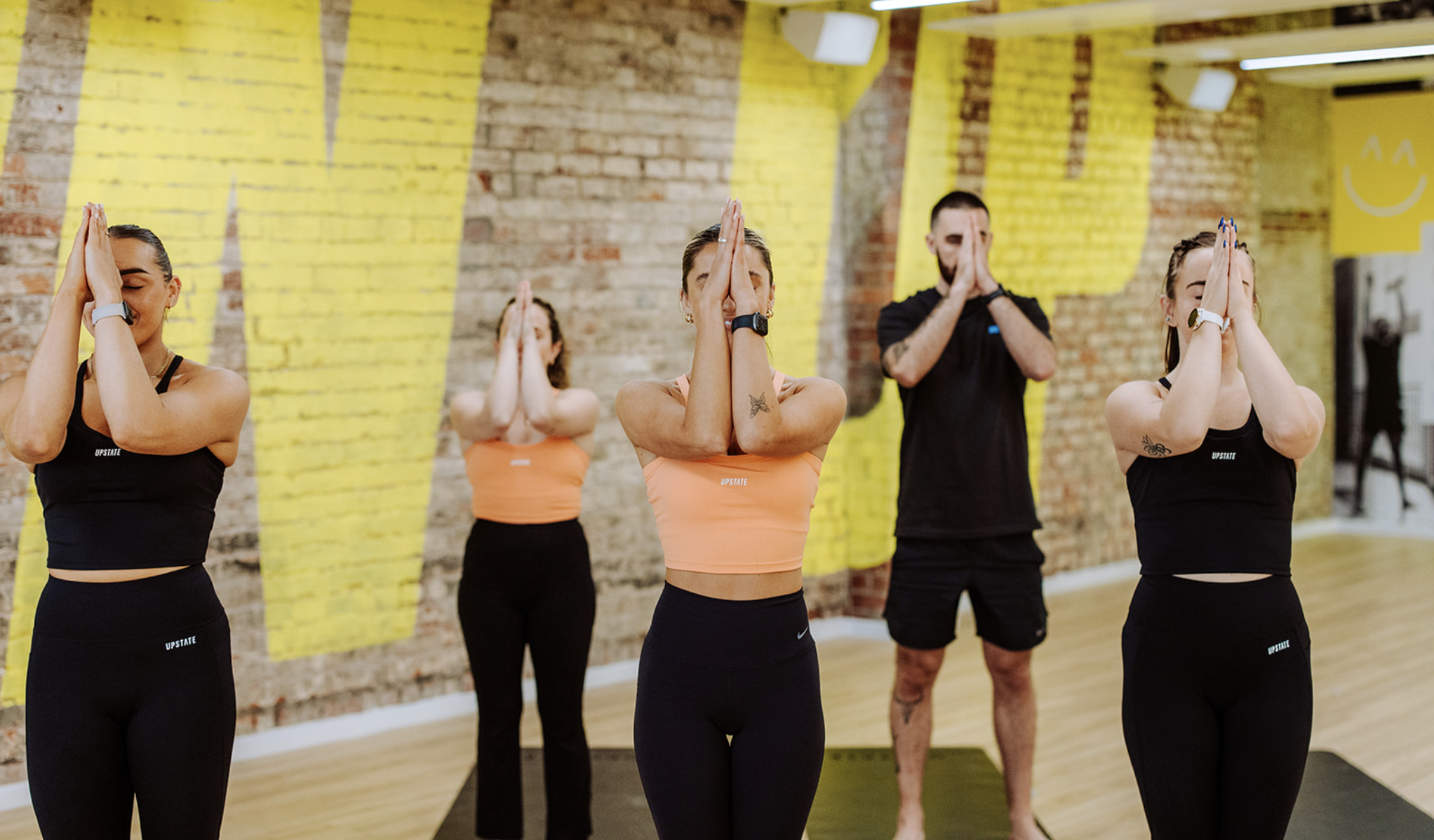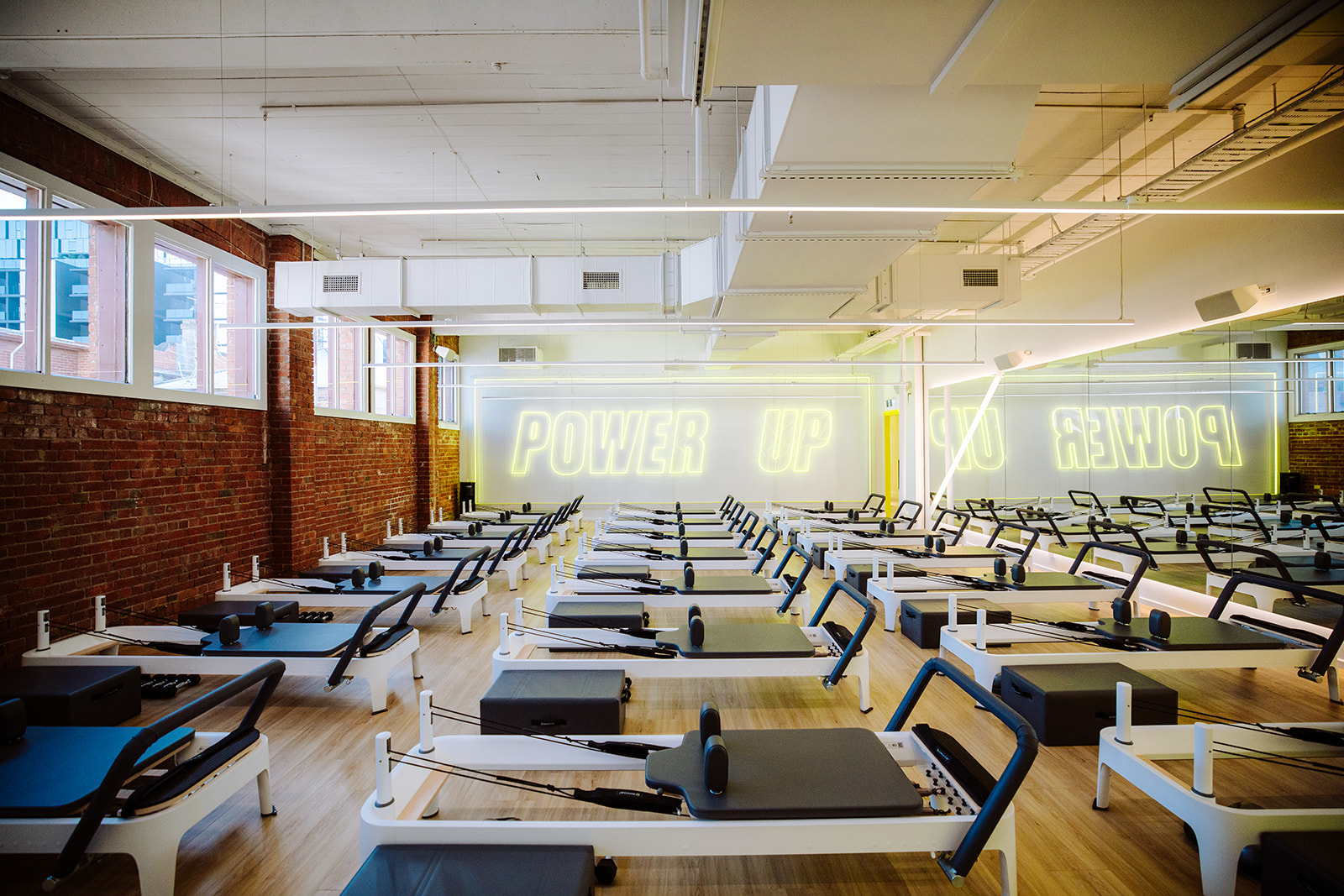
Pilates is a low-impact form of exercise that can help adults over 60 build strength, improve balance, support mobility and maintain confidence in everyday movement without putting unnecessary strain on their joints. With the right modifications, Pilates can suit a wide range of fitness levels and abilities. If you’re new to exercise or managing a health condition, check with your GP or physiotherapist before starting to find an approach that works for you.
Is Low Impact Pilates Safe for Seniors?
Yes, Pilates can be a safe and effective form of exercise for many older adults when movements are adapted to their individual needs and abilities. It focuses on controlled movement, breathing, posture and muscle engagement rather than high-impact activity, making it a useful option for people looking to stay active as they age.
Exercises can be adjusted through changes to positioning, range of motion, resistance and support. You can work at your own pace, take breaks when needed and gradually build strength as your confidence improves.
However, Pilates isn’t automatically suitable for every health condition. Speak with your GP or physiotherapist before starting if you’ve recently had surgery, have osteoporosis, a joint replacement, a heart condition or a history of falls. They can recommend appropriate movements and advise whether you need a supervised or individually tailored program.
Choosing certified instructors who understand modifications for older adults is also important, and senior-friendly pilates classes can improve both safety and effectiveness. Let them know about any injuries, balance concerns or movement restrictions before class so they can help you exercise comfortably and safely.
Benefits of Pilates for Over 60s
Staying active can support independence, physical health and quality of life as you get older. Pilates combines strength, balance, flexibility and body awareness, making it a versatile option for older adults who want to keep moving and feel more confident in their daily routines.
Better Balance and Fewer Falls
Pilates develops body awareness, coordination and control, all of which contribute to balance. Exercises that strengthen the legs, hips and core can help support activities such as walking, climbing stairs and standing up from a chair, and for many seniors weak core support and poor stability can mean an increased risk of falls.
Balance-focused movements can also challenge balance, which becomes increasingly important with age, and may help older adults feel steadier on their feet. While research suggests Pilates can support balance and physical function, evidence on falls remains limited, so it should be combined with other appropriate activities, such as walking and specific balance training, when recommended by a health professional.
Stronger Bones, Muscles and Muscle Tone
Age-related muscle loss can affect strength, mobility, independence, and muscle strength needed to maintain daily function. Pilates works muscles throughout the body, including the abdomen, back, hips and legs, helping support the movements needed for everyday activities.
Some Pilates exercises use body weight, resistance bands or spring-loaded equipment to challenge muscles progressively and support muscle tone. These movements can help maintain strength, although Pilates alone may not provide enough bone-loading stimulus to significantly improve bone density. It is worth noting that evidence for improving bone density is uncertain. People concerned about osteoporosis may benefit from a tailored program that includes appropriate weight-bearing and resistance exercises. Australian guidelines recommend strength training for seniors twice weekly.
Improved Posture and Less Back Pain
Pilates emphasises spinal alignment, core control and balanced muscle engagement. Strengthening the muscles that support the trunk may help you maintain a more comfortable posture and better posture while sitting, standing and moving. Improving spinal support and spinal articulation may also help some older adults move more freely.
For some people, Pilates can also help manage persistent lower back pain by improving movement control and general physical function. Results vary, and new or worsening pain should be assessed by a health professional rather than pushed through during exercise.
Learn more about how to improve posture with Pilates.
Joint Mobility and Flexibility
Gentle, controlled movements can help maintain the range of motion needed for everyday tasks, from reaching overhead to turning comfortably while walking. Pilates encourages you to move with control, promoting flexibility rather than forcing a stretch or pushing a joint beyond its comfortable range.
For older adults living with arthritis or stiffness, appropriate modifications may make movement more manageable. Controlled stretching can help lubricate joints and ease arthritis-related stiffness. The aim is to work within your current ability, and Pilates can also suit some older adults with reduced mobility when exercises are appropriately modified, gradually improving comfort and mobility without aggravating symptoms.
Mood, Memory, Mind Body Connection and Focus
Regular physical activity can support mental wellbeing, improve mood, reduce feelings of stress and anxiety, and help maintain cognitive health as we age, while Pilates also encourages concentration that may support mental clarity through breathing, coordination and awareness of how your body moves.
Following movement sequences and coordinating controlled breathing with each exercise encourages mindful movement and can strengthen the mind body connection through focus and body awareness. This can support overall wellness through a more holistic approach to movement and breath. Group classes may offer an additional social benefit by giving many seniors a sense of community, along with opportunities to connect with others and build a regular routine. Pilates is not a treatment for memory problems, but it can be one part of a healthy, active lifestyle.
Types of Pilates That Suit Older Adults
There isn’t one type of Pilates that’s right for every senior. Your best starting point depends on your balance, strength, mobility, comfort getting up and down from the floor, and whether you’re managing an injury or health condition.
Chair Pilates
Chair Pilates uses a specialised Pilates chair or chair-based movements to build strength, control and mobility. Depending on the class, exercises may be performed while seated, standing with support or using a spring-loaded apparatus.
For older adults who feel unsteady standing for long periods or find floor exercises difficult, chair-based movements can offer a more accessible starting point. Exercises can be modified to suit different abilities, although standing movements may still require balance and supervision.
Explore chair Pilates at Upstate Studios to learn more about this style of movement.
Reformer Pilates
Reformer Pilates uses a specialised machine with a moving carriage, springs, straps and a footbar. The springs provide adjustable resistance that supports controlled movement while promoting flexibility, making it possible to tailor exercises to different strength levels.
Reformer classes can work the core, legs, arms and back while developing coordination and body awareness. It is one form of Pilates that can complement other forms of exercise in a broader routine. However, the equipment requires correct set-up and technique, and some movements may be unsuitable for people with certain injuries or mobility restrictions.
If you’re new to Reformer Pilates, look for a beginner-friendly, technique-focused class or first session. A class such as Power Reformer Form can help you become familiar with equipment set-up, alignment, safe movement on and off the reformer, and movement control, with room to progress as your confidence and strength improve, provided the instructor can accommodate your needs.
Discover Reformer Pilates and learn more about the differences between mat Pilates vs Reformer Pilates.
Mat Pilates
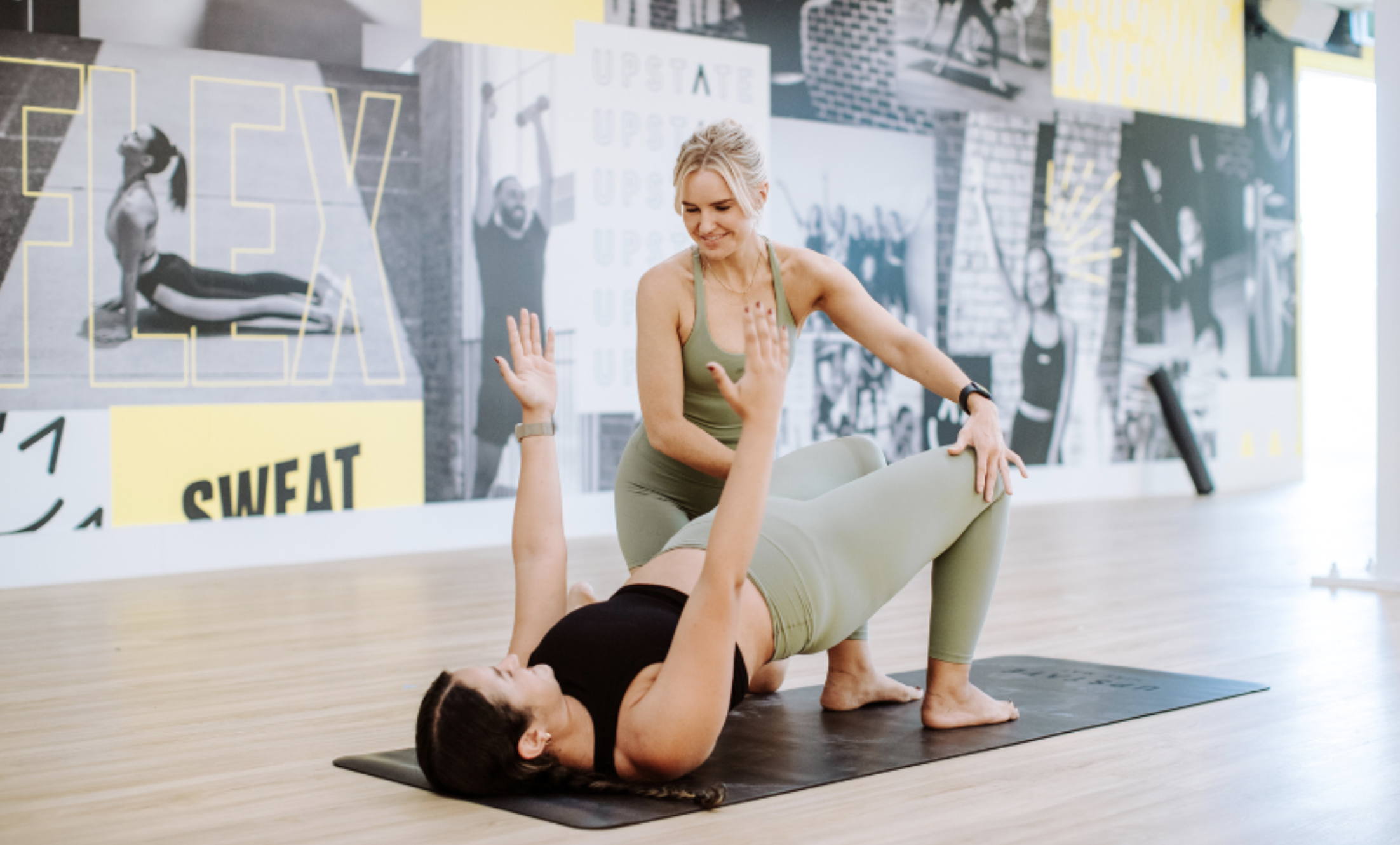
Mat Pilates uses body weight and a floor mat to develop strength, flexibility and control. Exercises can be performed lying down, sitting or standing, depending on the sequence and the modifications offered.
This style may suit older adults who are comfortable getting down to and up from the floor and can move between positions safely. If getting up and down is difficult, a chair-based or appropriately adapted Reformer class may be more practical.
Some mat classes are heated, which increases the temperature of the exercise environment. Heat may be unsuitable for people with certain cardiovascular conditions, reduced heat tolerance or dehydration risk, particularly older adults. Speak with your doctor before trying a heated class if you’re unsure whether it’s appropriate for you.
Clinical Pilates
Clinical Pilates is generally prescribed or supervised by a qualified physiotherapist or other appropriately trained health professional as an individualised Pilates practice. Sessions are often individualised and may focus on rehabilitation, managing persistent pain, improving movement after an injury or adapting exercise around a specific medical condition.
This may be a useful option if you need close supervision, have recently undergone surgery or require a program tailored to a particular diagnosis. An individual session may be tailored to your abilities and goals. A clinician can assess your movement and develop exercises that reflect your current abilities and treatment goals.
Clinical Pilates differs from a general group fitness class, and availability and qualifications vary between providers. If you’re managing an injury or complex health concern, ask your GP or physiotherapist whether it would be a suitable starting point.
6 Gentle Pilates Exercises for Seniors
You don’t need to be highly flexible or have previous Pilates experience to begin with gentle movement. The following exercises can help introduce basic strength, mobility and balance work at home.
Before you start: Use a stable chair or other secure support where needed, move slowly and stay within a comfortable range. If you’re recovering from surgery, have osteoporosis, experience frequent falls or have a condition affecting your movement, ask a health professional which exercises are appropriate for you. Stop if you experience pain, dizziness or unusual shortness of breath.
1. Seated Breathing and Core Engagement
Muscles worked: Deep abdominal muscles and muscles that support the trunk.
- Sit towards the front of a sturdy chair with both feet flat on the floor and your spine in a comfortable, upright position.
- Breathe in gently through your nose, allowing your ribs to expand.
- As you breathe out, gently tighten your lower abdominal muscles as though you’re preparing for a cough, without holding your breath.
- Release the tension as you breathe in again and repeat for five to eight breaths.
Make it easier: Simply focus on relaxed breathing without actively tightening your abdominal muscles.
2. Seated or Standing Marching
Muscles worked: Hip flexors, thighs and abdominal stabilising muscles.
- Sit upright in a sturdy chair with your feet flat on the floor.
- Slowly lift one foot a few centimetres, then lower it with control.
- Repeat on the other side, alternating legs for eight to ten repetitions per side.
- If your balance is good and standing is comfortable, try marching on the spot while holding a stable support.
Make it easier: Keep the movement small, lifting each heel slightly instead of raising the whole foot.
3. Pelvic Tilts
Muscles worked: Abdominal muscles and muscles that support the lower back and pelvis.
- Lie on your back on a comfortable mat with your knees bent and feet flat, if getting onto the floor is safe and comfortable for you.
- Gently tighten your abdominal muscles and tilt your pelvis so your lower back moves slightly towards the floor.
- Hold for two to three seconds while breathing normally.
- Relax to your starting position and repeat five to ten times.
Make it easier: Practise a small pelvic rocking movement while seated in a chair, keeping your feet supported.
4. Glute Bridge
Muscles worked: Gluteal muscles, hamstrings and abdominal stabilisers.
- Lie on your back with your knees bent and feet flat on the floor, positioned about hip-width apart.
- Gently engage your abdominal muscles and squeeze your glutes.
- Lift your hips a small distance, keeping your movement controlled and avoiding an exaggerated arch in your lower back.
- Lower slowly and repeat five to eight times.
Make it easier: Skip the lift and practise gently squeezing your gluteal muscles while lying down or sitting.
Important: Only try this exercise if getting to and from the floor is safe for you and the movement is appropriate for your health needs.
5. Side-Lying Leg Lifts
Muscles worked: Outer hip muscles, particularly the hip abductors, which help support pelvic stability.
- Lie on your side with your head supported by a pillow and your legs comfortably extended or slightly bent.
- Keep your hips stacked and your top leg straight, if comfortable.
- Slowly lift the top leg a short distance without rolling your pelvis backwards.
- Lower with control and repeat five to eight times before changing sides.
Make it easier: Bend your knees slightly and practise a smaller lift, or try a standing side-leg lift while holding a stable support if lying on your side is uncomfortable.
6. Standing Heel Raises With Support
Muscles worked: Calf muscles and the muscles that help stabilise the ankles.
- Stand behind a sturdy chair or beside a secure bench, holding it for support.
- Position your feet hip-width apart and keep your posture comfortable.
- Slowly lift your heels so you rise onto the balls of your feet.
- Lower your heels gently to the floor and repeat eight to ten times.
Make it easier: Remain seated and lift your heels while keeping the balls of your feet on the floor.
This exercise can help maintain calf strength for everyday movements such as walking and climbing stairs. Prioritise stability over the height of the lift, and have someone supervise you if you’re concerned about your balance.
Precautions and Modifications
Pilates should feel controlled and manageable, not painful or overwhelming. The right modifications depend on your health, mobility and experience, so speak with a qualified instructor or health professional if you’re unsure about an exercise.
Osteoporosis
If you have osteoporosis or have been told you have a high fracture risk, seek advice from your GP or physiotherapist before beginning a new Pilates program.
Some movements, particularly repeated or loaded forward bending of the spine and deep spinal twisting, may increase fracture risk in people with osteoporosis. Your clinician may recommend maintaining a neutral spine, strengthening the muscles that support posture and choosing appropriate weight-bearing and resistance exercises.
Avoid forcing stretches or attempting unfamiliar movements that place excessive strain on your spine. A program designed for your bone health and fracture risk is preferable to following a generic exercise routine.
Arthritis and Joint Replacements
Pilates may help maintain strength and mobility for people with arthritis, but exercises should be adapted to the affected joints and your symptoms.
Use a comfortable range of motion, reduce resistance if needed and avoid pushing through sharp pain or significant joint discomfort. If you’ve had a joint replacement, follow your surgeon’s rehabilitation guidance and any movement restrictions, particularly during recovery.
Your physiotherapist can help determine which positions and exercises are appropriate for your stage of recovery.
Limited Range of Motion
If you find it difficult to reach the floor, kneel, lie on your back or move between positions, you can often modify Pilates exercises to be performed seated or standing with support.
A stable chair, smaller movements and additional rest breaks can make exercise more manageable. Chair Pilates may be a useful option, although the class should still be suited to your individual mobility and balance.
Let your instructor know what you find difficult before class. You should never feel pressured to perform an exercise that doesn’t work for your body.
Signs to Stop or Slow Down
Mild muscle effort is normal when exercising, but pain and unusual symptoms shouldn’t be ignored.
Stop the exercise if you experience sharp pain, increasing joint pain, dizziness, nausea, unusual breathlessness or a feeling that you may lose your balance. Rest and seek medical advice if symptoms persist or are concerning.
Seek urgent medical attention for chest pain, fainting, severe shortness of breath or sudden neurological symptoms such as new weakness or difficulty speaking. Don’t attempt to push through these symptoms.
How Often Should Seniors Do Pilates?
For many older adults who are new to Pilates, incorporating Pilates into a weekly routine with one or two short sessions can be a manageable way to develop familiarity with the movements. You can gradually work towards two to three sessions per week if you’re recovering well and the exercises suit your abilities.
Start with a comfortable duration and intensity, allow time for recovery between sessions and increase your workload gradually. Regular Pilates classes can support steady progress when that workload is increased slowly. Consistency is more important than doing too much too soon.
Your ideal routine will depend on your health, fitness and goals. You may benefit from combining Pilates with walking, appropriate resistance training, balance exercises and other suitable activities in a broader fitness routine to support strength, cardiovascular health and independence.
If you’re managing a chronic condition, recovering from an injury or have a history of falls, ask your GP or physiotherapist to help you establish a safe starting point.
For more guidance, read our article on how many times a week you should do Pilates.
Pilates vs Yoga for Seniors
Both Pilates and yoga can be valuable forms of low-impact movement for older adults. The better choice depends on your preferences, mobility and what you want to focus on.
Pilates generally emphasises core strength, controlled movement, posture and muscle coordination. Depending on the class, it may include mat exercises, specialised equipment or supported chair-based movements.
Yoga often combines physical postures, breathing techniques, balance and relaxation. Different styles range from gentle, supported sessions to more physically demanding practices.
Neither is automatically safer or more suitable for every older adult. Both can be adapted, and the instructor, class format and individual modifications matter more than the label alone.
If your goal is to develop strength and movement control, Pilates offers a stronger emphasis in those areas. If you prefer a greater focus on stretching and relaxation, a gentle yoga class may appeal more.
Explore our guide to Pilates vs yoga to understand their key differences and decide which approach suits you.