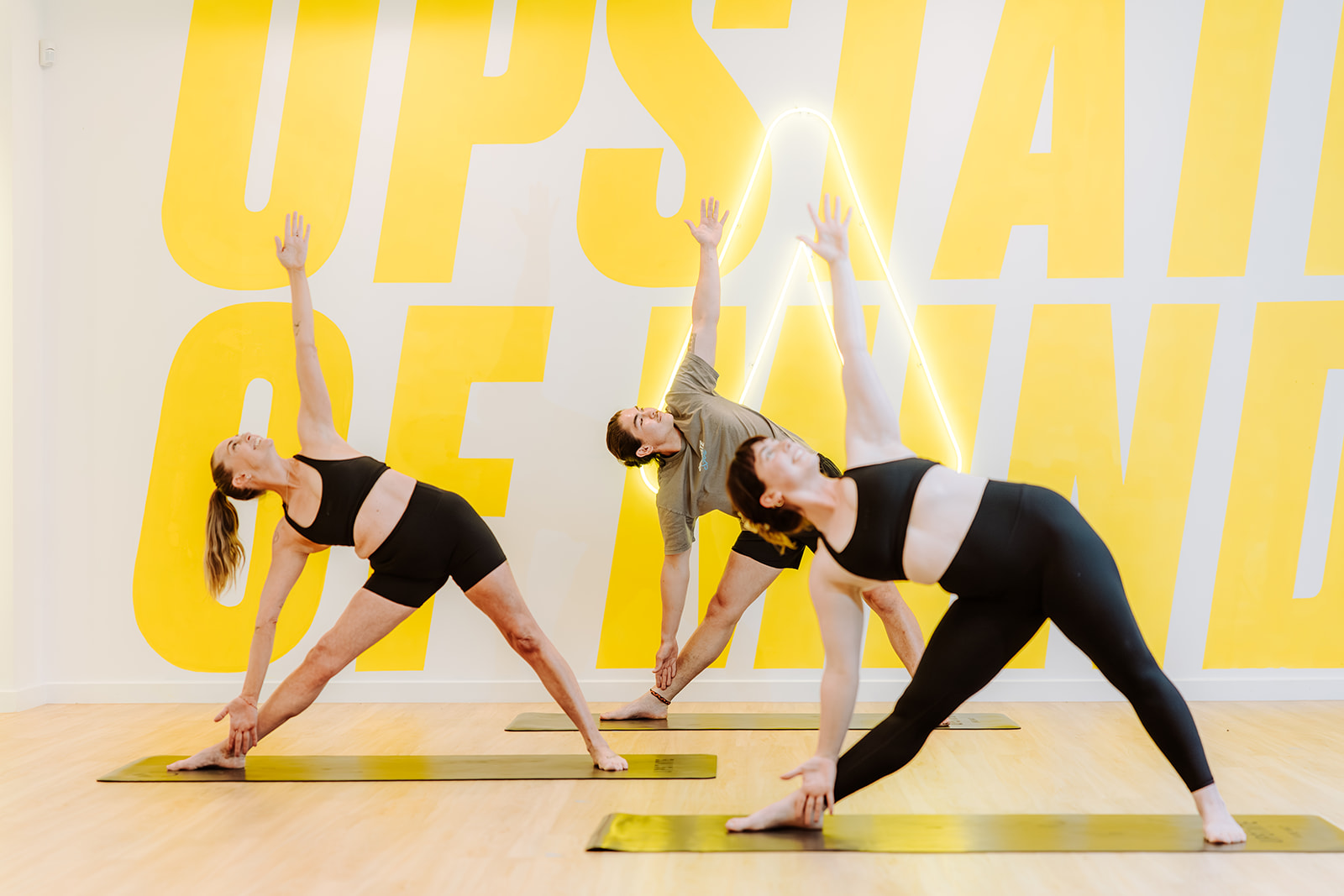
Two practices. Two different ways of moving. One builds strength from within. The other creates space to release.
Pilates is precise, controlled, and quietly intense. It asks for your attention. Refining the way you move, strengthening what supports you, and creating stability that carries into everything else.
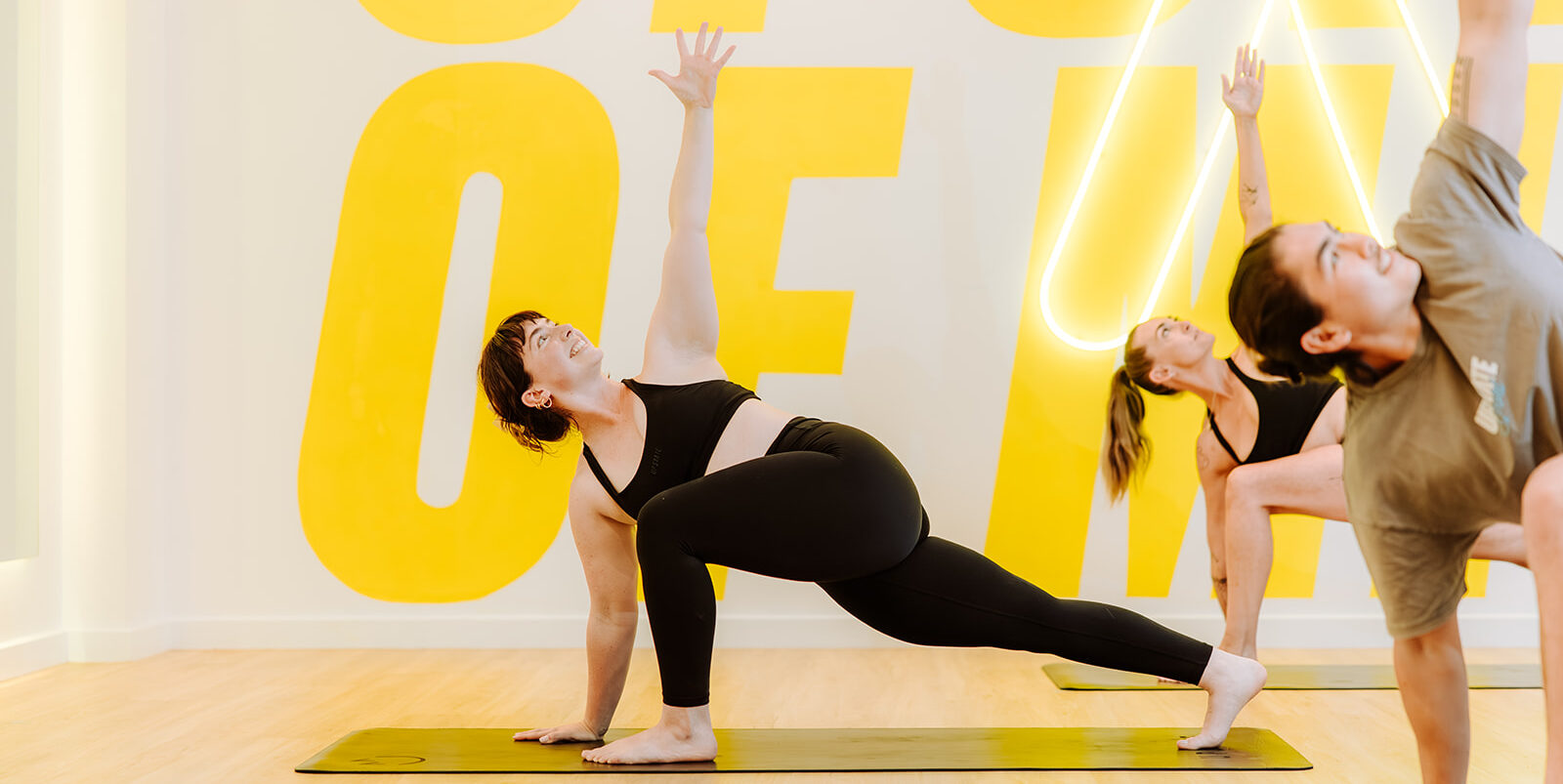
Yoga is fluid, expansive, and often restorative. It invites you to soften, opening through the body, slowing the breath, and allowing space where you might be holding tension.
Both support how you move, how you feel, and how you return to yourself. One centres you through strength. The other through release.
At Upstate Studios, we offer both, so you can move between structure and flow, effort and ease.
Some days, you’ll need to build. Others, to let go.
Pilates vs Yoga
| Pilates | Yoga | |
|---|---|---|
| Primary focus | Strength, stability, core control | Flexibility, flow, mindfulness |
| Movement style | Slow, controlled, precise | Fluid, continuous or held poses |
| Breath | Structured, supports movement | Leads movement, rhythmic |
| Intensity feel | Quietly challenging | Ranges from gentle to dynamic |
| Mental state | Focused, attentive, inward | Calm, expansive, grounding |
| Spiritual element | Minimal / none | Sometimes included |
| Equipment | Mat + reformer / apparatus | Mostly mat only |
| Best for | Core strength, posture, rehab | Flexibility, stress relief, mobility |
What is Pilates?
Pilates is a method grounded in control, alignment, and strength.
Each movement has a purpose. Each detail matters.
Developed by Joseph Pilates, the practice focuses on the deeper stabilising muscles, particularly through the core, spine, and pelvis. The aim isn’t to move more, but to move better.
Sessions are typically slow and deliberate. You’ll be guided to refine small adjustments, connect breath to movement, and build strength without excess strain.
Over time, Pilates supports:
- stronger core stability
- improved posture and alignment
- more efficient, supported movement patterns
It’s often used not just for fitness, but for rehabilitation, injury prevention, and long-term body maintenance.
What is yoga?
Yoga is a broader, more expansive practice with roots in ancient Indian philosophy.
It combines physical postures (asanas), breathwork (pranayama), and often elements of meditation.
There isn’t just one type of yoga. Some styles are slow and restorative, designed to calm the nervous system. Others are more dynamic, linking movement and breath in continuous flow.
At its centre, yoga is about connection, between body and breath, effort and ease, movement and stillness.
A regular yoga practice can support:
- increased flexibility and joint mobility
- improved balance and coordination
- reduced stress and mental fatigue
It meets you where you are, and shifts with what you need.
Pilates vs yoga: key differences
Focus and approach (strength/stability vs flexibility/mindfulness)
Pilates works from the inside out.
It builds deep strength, especially through the core, creating stability that supports everything else.
Movements are often smaller, slower, and more controlled. The challenge comes from precision, not speed.
Yoga moves in a different direction.
It emphasises length, openness, and flow.
Depending on the style, you may move continuously through sequences or hold poses for longer periods, allowing the body to soften and release.
Breathing techniques in each method
In Pilates, breath is structured and supportive.
You’ll often use lateral (rib cage) breathing, inhale to prepare, exhale to engage.
The breath helps stabilise the body, particularly through the core, and supports controlled movement.
In yoga, breath is the anchor of the practice.
Each movement is guided by inhale and exhale, creating a steady rhythm.
In many classes, breath becomes the focus, helping to quiet the mind and regulate the nervous system.
Mental and emotional outcomes (stress, mood, body awareness)
Both Pilates and yoga offer mental benefits, though they arrive there differently.
Pilates sharpens focus.
It draws your attention inward, into alignment, sensation, and control. There’s little room for distraction.
Yoga softens and expands.
It encourages a slower pace, deeper breathing, and a sense of release.
Over time, both practices can:
- reduce stress levels
- improve mood regulation
- increase body awareness
The difference lies in how you experience that shift, through focus or through flow.
Spiritual vs secular approaches (what to expect in class)
Pilates is generally secular and technique-driven.
Classes focus on movement quality, strength, and physical outcomes.
Yoga can vary widely.
Some classes are purely physical. Others may include meditation, philosophy, or intention-setting.
If you prefer a straightforward, exercise-based session, Pilates often feels more familiar.
If you’re open to a broader experience, yoga offers that range.
Equipment, space and cost considerations
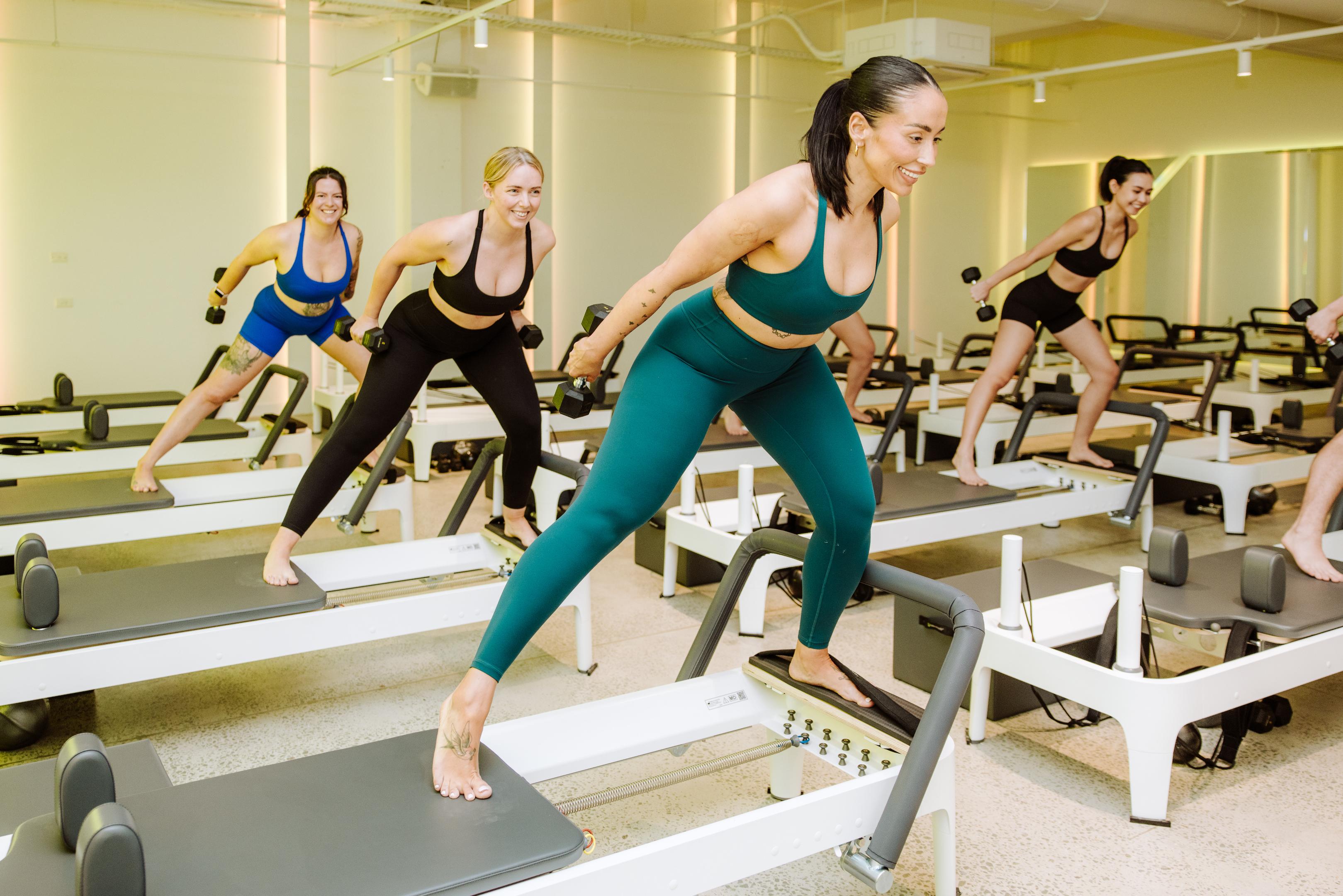
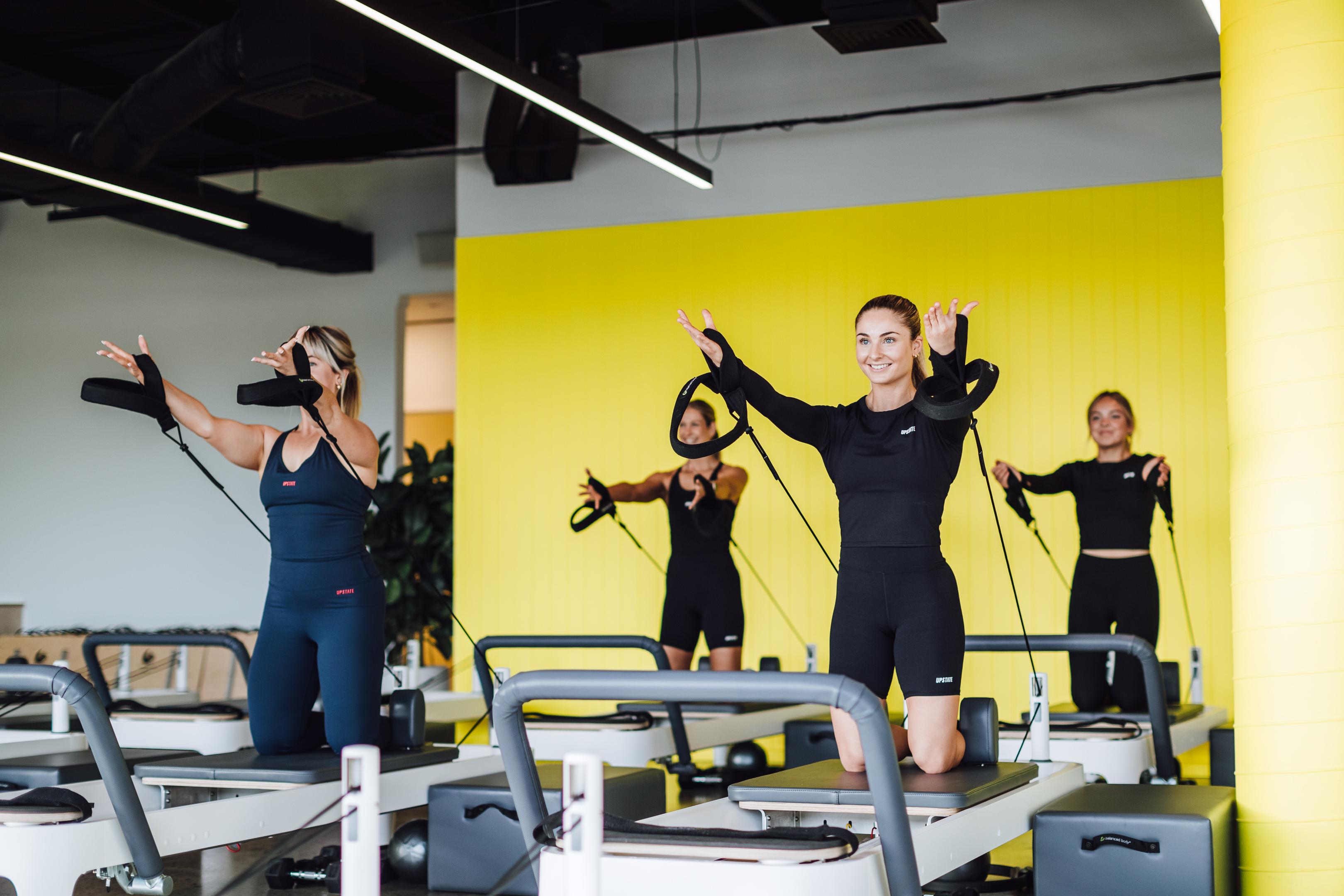
Pilates can be practised on a mat or using specialised equipment such as reformers, towers, or barrels.
Studio-based classes, particularly reformer sessions, tend to be smaller and more guided.
Yoga is typically more minimal. A mat, comfortable clothing, and enough space to move are usually all you need.
Because of this, yoga is often more accessible in community settings and online. Pilates, especially equipment-based, can be more of an investment.
Benefits for common goals
Core strength and posture support
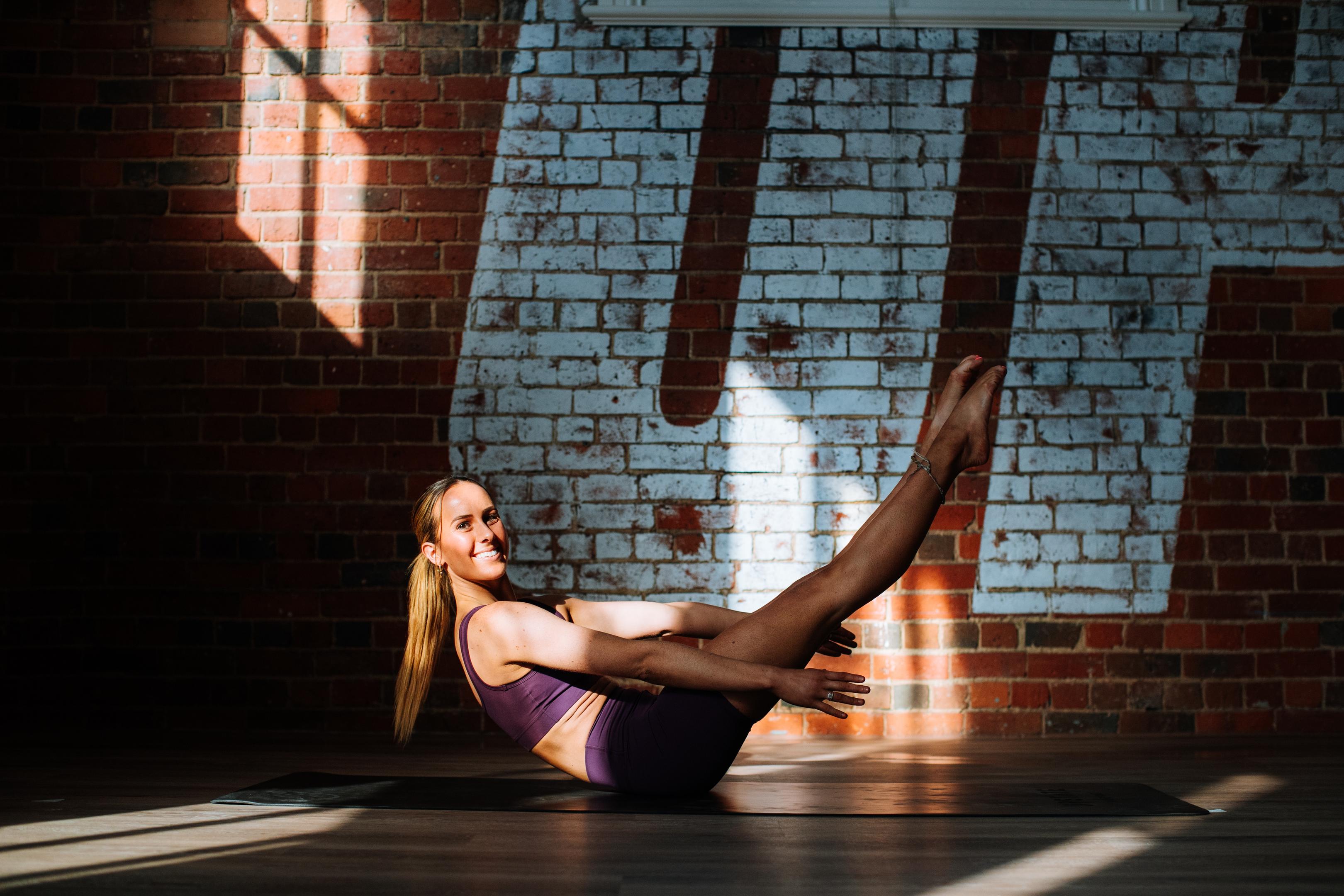
Pilates is known for its ability to strengthen the deep core muscles.
This includes the muscles that support your spine, pelvis, and overall alignment.
It’s particularly effective for:
- improving posture
- reducing lower back strain
- building stable, functional strength
Yoga can support posture too, though its primary focus is less targeted in this area.
Flexibility, mobility and balance
Yoga excels in creating length through the body.
Regular practice can improve flexibility, joint range, and overall mobility.
It also challenges balance, both physically and mentally, through standing poses and transitions.
Pilates approaches mobility differently.
It builds flexibility with strength and control, helping you move safely within your range.
Injury rehab, pain and medical conditions (back pain, arthritis, MS, etc.)
Pilates is widely used in rehabilitation contexts.
Its controlled, low-impact nature makes it suitable for many injuries and chronic conditions.
It’s often recommended for:
- back pain
- postural issues
- recovery after injury
Yoga can also be beneficial, particularly gentler styles such as restorative or yin.
However, certain poses may need modification depending on the individual.
Stress, sleep and mental health
Both practices support the nervous system.
Yoga tends to have a more immediate calming effect—especially slower classes that emphasise breath and stillness.
Pilates offers a different kind of reset.
Focused, steady, and structured—it can help shift your attention away from external stress and back into the body.
Which should you choose?
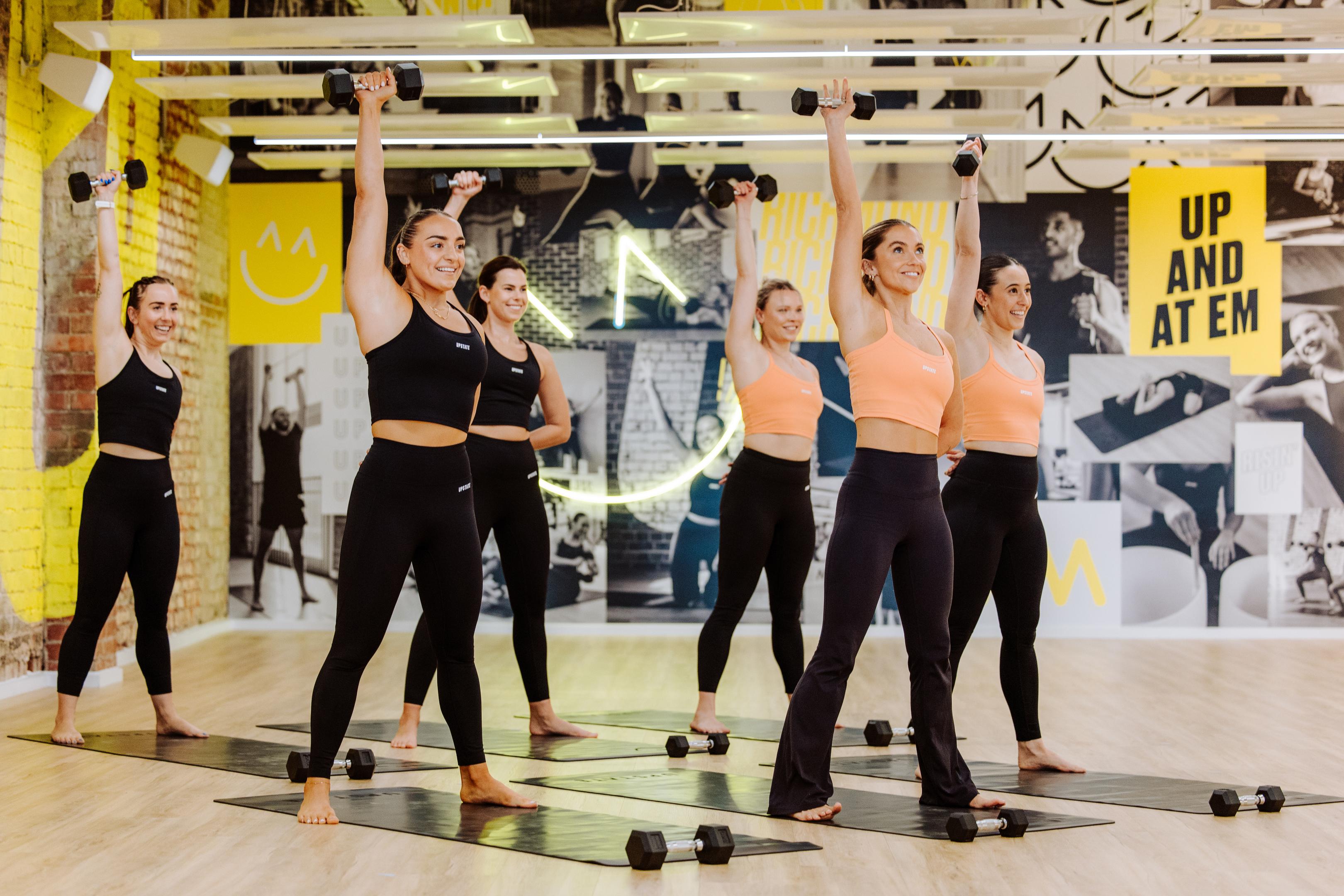
If your main goal is strength and stability
Pilates offers a more targeted, structured approach.
It focuses on building strength from the inside out—supporting the deeper muscles that stabilise your spine, pelvis, and joints.
This isn’t about moving more. It’s about moving with control.
Over time, that translates into better posture, reduced strain, and a body that feels more supported in everyday life.
If you spend long hours sitting, experience postural fatigue, or want to feel stronger without high-impact training, Pilates provides a steady, sustainable path forward.
If your main goal is flexibility and relaxation
Yoga creates space, physically and mentally. It allows the body to lengthen, unwind, and release built-up tension.
The pace can be slower, giving you time to settle into each position and soften through areas that feel tight or restricted. At the same time, the focus on breath helps quiet the mind and shift you out of a constant “doing” state.
If you’re feeling stiff, overwhelmed, or simply in need of a reset, yoga offers that exhale.
If you have specific conditions (back pain, pregnancy, osteoporosis, etc.)
Both Pilates and yoga can be highly supportive when adapted correctly.
Pilates is often recommended for back pain and postural issues because of its focus on controlled strengthening and alignment.
Yoga can complement this with gentle mobility and relaxation, though certain poses may need to be modified.
What matters most is not the method, but the setting.
Choosing the right class level, and an instructor who understands how to tailor movements, makes all the difference.
At Upstate Studios, classes are designed with this in mind—offering guidance, adjustments, and space to move safely within your own range.
How often to practice each for results
Consistency matters more than intensity.
2–3 sessions per week is a strong foundation, enough to build strength, improve mobility, and start noticing changes without overwhelming the body.
From there, you can gradually increase frequency depending on your goals.
Some prefer shorter, more regular sessions. Others balance a few studio classes with movement at home.
The key is rhythm, creating a routine that feels sustainable, not forced.
When combining Pilates and yoga works best
They work best together.
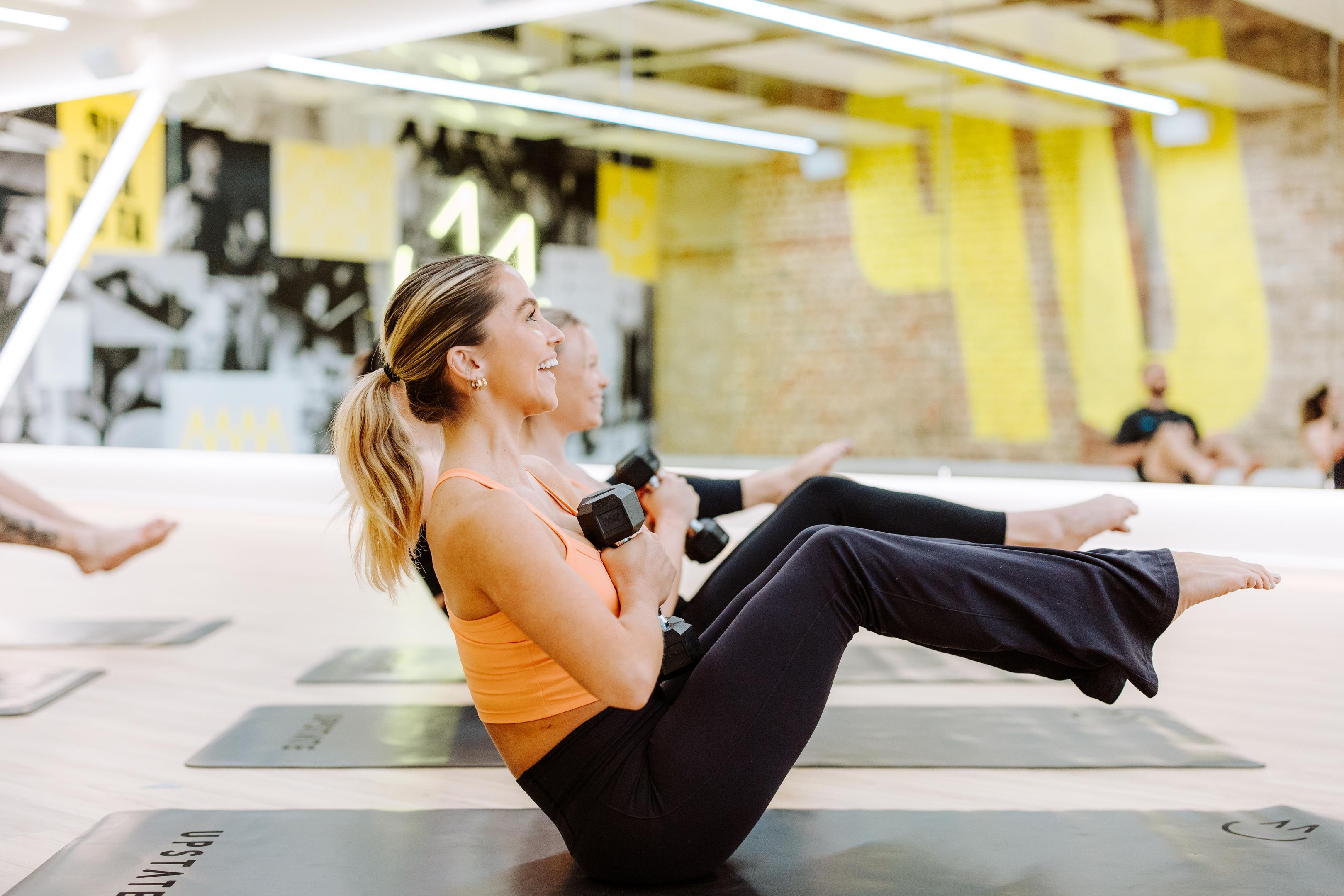
Pilates builds the strength and structure, supporting how you hold yourself and move.
Yoga creates length and release, helping to offset tension and restore balance.
One stabilises. The other softens.
When combined, they offer a more complete approach, supporting both effort and ease, strength and flexibility.
At Upstate Studios, you can move between both practices depending on what your body needs that day.
Safety, modifications and who should avoid what
When Pilates may not be appropriate and how to modify
If you’re dealing with acute injury, inflammation, or pain, certain movements may need to be adjusted or temporarily avoided.
That doesn’t mean stopping altogether. It means refining the approach, reducing load, limiting range, or focusing on more supportive exercises.
A qualified instructor can guide these changes, ensuring you continue to build strength without aggravating the issue.
How to choose qualified instructors and safe studios
The quality of instruction shapes the entire experience.
Look for spaces that prioritise:
- clear, attentive cueing that helps you understand each movement
- safe alignment, rather than pushing depth or intensity
- thoughtful progressions that build gradually over time
Smaller class sizes or structured sessions often allow for more individual guidance, so you’re not just moving, but moving well.
Practical guide for Australians
Typical class formats (studio, reformer, mat, gym classes)
Pilates is commonly offered in:
- reformer studio classes with specialised equipment
- mat-based sessions focusing on bodyweight control
- small-group or semi-private formats for more personalised guidance
Yoga is widely available across:
- dedicated boutique studios
- gyms and wellness spaces
- community classes and online platforms
This variety makes it easy to find a format that fits your schedule and comfort level.
What to expect in your first class and what to bring
Arrive a few minutes early, give yourself time to settle into the space.
Wear comfortable, fitted clothing that allows you to move freely without restriction.
Bring water, and a mat if required (though many studios provide one).
The first class may feel slower or more detailed than expected.
That’s intentional. It’s a chance to learn the foundations, understand the cues, and begin moving with more awareness.
Average costs and how to get value (packs, memberships, online options)
Reformer Pilates classes are typically a higher investment due to equipment and smaller class sizes.
Yoga classes often offer more flexibility in pricing, with casual drop-ins or lower-cost community options.
To get the most value:
- choose class packs or memberships if you plan to attend regularly
- combine studio sessions with online classes for consistency
- focus on routine, rather than occasional visits
Consistency delivers more value than intensity alone.
FAQs
Is Pilates harder than yoga for beginners?
They challenge you differently.
Pilates can feel more technical at first, requiring attention to detail and coordination.
Yoga may feel more intuitive, but holding poses or flowing sequences can still be demanding.
“Harder” depends less on the method, and more on the style and pace of the class.
Is Pilates or yoga better for back pain?
Pilates is often recommended for back pain due to its focus on core strength and spinal support.
Yoga can also help, particularly with mobility and relaxation, but should be approached with care and appropriate modifications.
Can I do Pilates and yoga on the same day?
Yes, when balanced thoughtfully. A Pilates session can build strength and activation.
A yoga session later can help release tension and restore the body.
Together, they can feel complementary rather than overwhelming.
Is Pilates or yoga safer during pregnancy?
Both can be safe when adapted appropriately. Prenatal-specific classes, or instructors experienced in modifications, are key to ensuring movements remain supportive and comfortable.
Do I need to be flexible to start yoga?
Not at all. Flexibility is developed through practice, not a requirement to begin. Yoga meets you where you are.