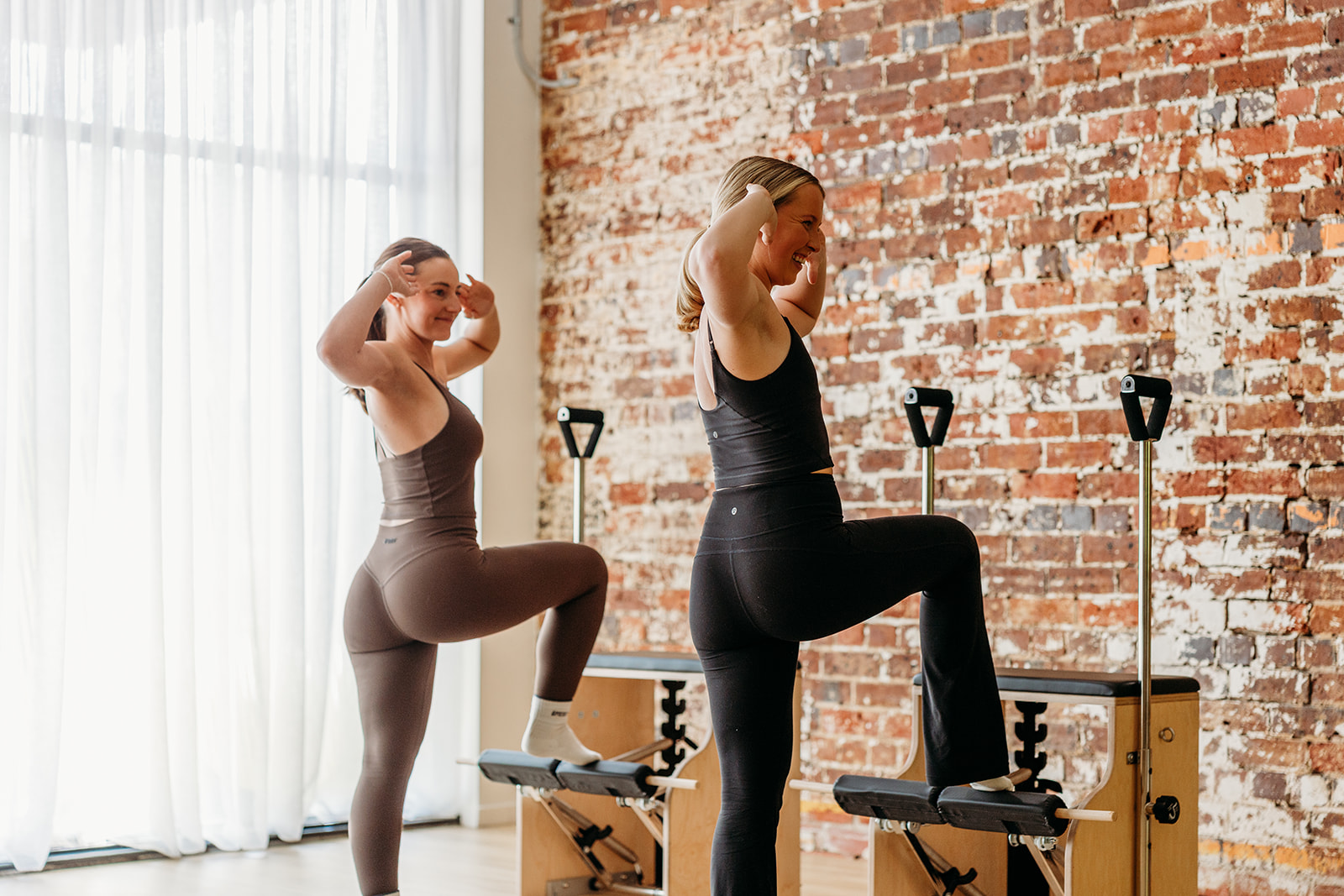
How often should you do Pilates? For most people, two to four sessions a week is a practical target for building strength, improving flexibility and developing consistency. If you’re new to Pilates, start with one to two classes a week and gradually increase as your strength, technique and recovery improve.
At Upstate Studios, you can mix and match Reformer, Yoga, Hot Pilates, Box and other feel-good movement styles to create a routine that suits your goals, fitness level and schedule. The key is finding a rhythm you can stick to.
The right Pilates frequency depends on your experience, goals, class intensity, and how well your body recovers between sessions.
| Level or goal | Sessions per week | What to focus on |
|---|---|---|
| Beginner | 1–2 | Learn technique, build confidence and establish a routine. |
| Strength building | 2–4 | Challenge your muscles progressively and allow time to recover. |
| Flexibility and mobility | 2–4 | Practise controlled movement and comfortable stretching consistently. |
| Injury rehabilitation | As advised by your physio | Follow an individualised program based on your condition and recovery. |
| Cross-training for sport | 1–3 | Complement your sport with strength, control, mobility and recovery. |
How Often per Week Should Beginners Do Pilates?
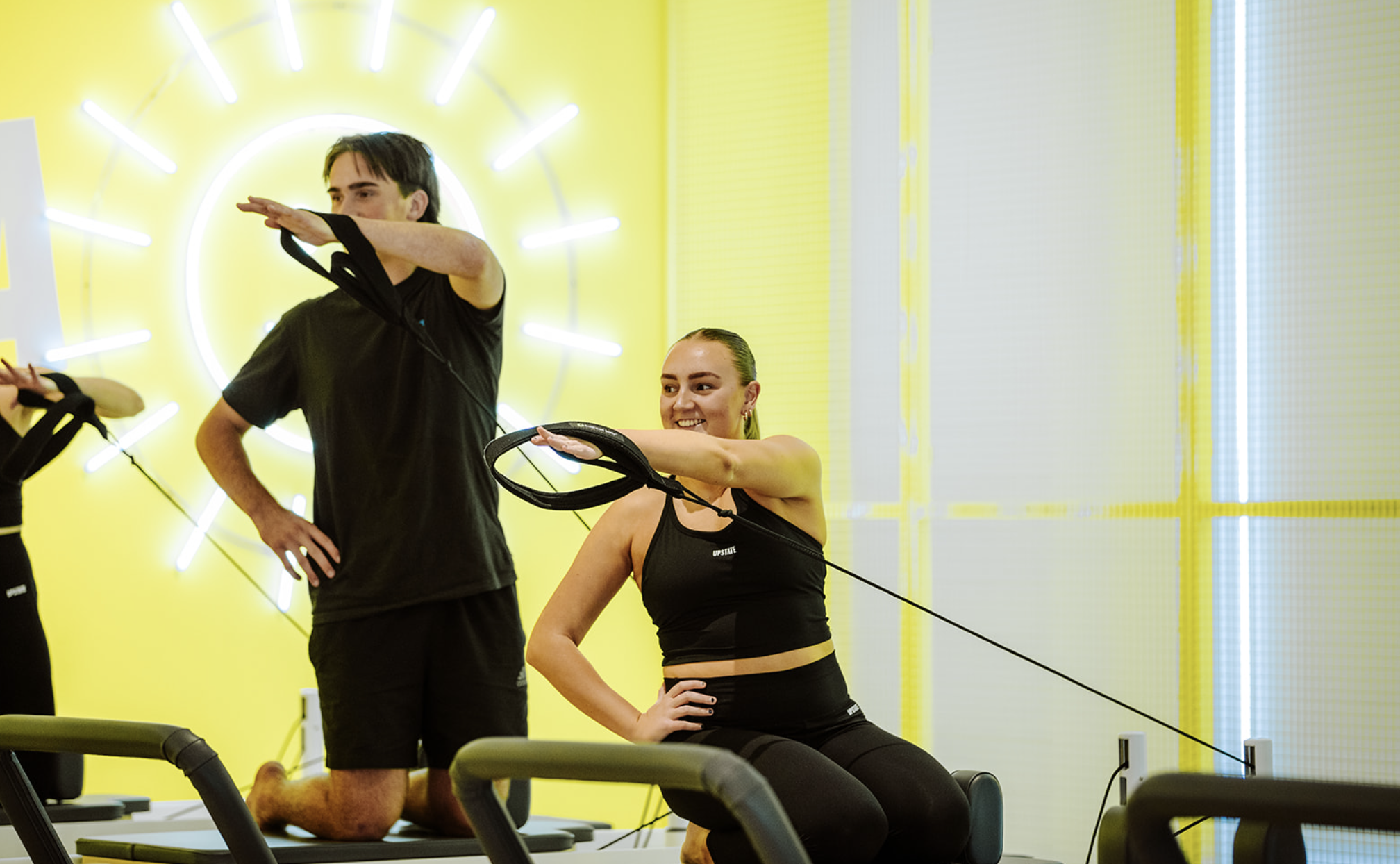
If you’re new to Pilates, one to two classes per week for the first four to six weeks is a great place to start. This gives you time to learn the movements, understand how to engage your core and become familiar with the equipment without feeling like you need to do everything at once.
Consistency matters more than frequency when you’re starting out. Pilates is a low-impact form of exercise and a great form of exercise for different fitness levels, but focus first on moving with control, following your instructor’s cues and finding the right level of challenge for your body. As you become more comfortable, you can gradually add another class if you’re recovering well. A pilates instructor can help you improve your form and adapt a pilates class to your needs.
You might notice some muscle soreness after your first few sessions, particularly around your core, glutes and legs. Mild soreness can be normal when trying a new activity, but sharp pain or persistent discomfort isn’t something to push through. Give your body time to recover and let your instructor know if anything doesn’t feel right.
New to the studio? Our guide to Pilates for beginners explains what to expect and how to feel more confident in your first class.
How Often to Do Pilates by Goal
Your ideal Pilates schedule will depend on what you want to get out of your practice. Whether you’re looking to build strength, improve your posture or support your recovery, here’s how to approach your weekly routine.
To Build Strength and Muscle Tone
If building strength is your goal, aim for two to four Pilates sessions a week, depending on the intensity of your classes and your experience. Reformer Pilates can provide adjustable spring resistance, while Mat Pilates uses body weight and controlled movement to challenge your muscles; the main difference is that the Reformer can isolate each muscle group faster than mat work.
Try to balance challenging sessions with lighter classes or rest days, particularly if you’re working your muscles hard. As you become stronger, you can increase the difficulty of exercises rather than simply adding more sessions to achieve strength gains and improved muscle tone.
For broader strength goals, you may also benefit from combining Pilates with progressive resistance training. Read our guide to Pilates vs weight lifting to understand how the two approaches compare.
To Improve Flexibility and Posture
Two to four sessions per week can help you build a consistent movement routine that supports mobility, flexibility and postural awareness. Pilates focuses on the deep core and stabilising muscles that support the spine and whole body posture, helping you move with more control.
You don’t need to stretch as far as possible to get value from a class. Focus on comfortable ranges of motion, good technique and regular practice. Even 10- to 20-minute sessions can help flexibility and posture when practised consistently. A combination of Pilates and gentler mobility-focused sessions can work well if you spend long periods sitting, feel stiff after a busy day, or want to support easier movement in daily life and help prevent injuries.
Explore how Pilates can help you improve posture.
For Injury Rehab or Back Pain
If you’re using Pilates to support injury rehabilitation or manage back pain, your ideal frequency should be guided by a physiotherapist or another qualified health professional.
Depending on your condition, you may be advised to complete one to three sessions per week, including individually prescribed exercises or supervised Pilates sessions. Pilates can also be adapted for older adults, as well as people managing injuries or back pain. Your starting point will depend on your symptoms, current ability and stage of recovery.
Clinical Pilates and general group Pilates classes aren’t interchangeable. The right pilates practice should be tailored by a Pilates instructor or health professional, because a group class may not provide the individual assessment or supervision you need when recovering from an injury. Check with your health professional before joining a class, and let your instructor know about any relevant restrictions.
If pain increases, symptoms change or an exercise feels wrong, stop and seek appropriate advice rather than trying to push through.
Reformer vs Mat Pilates: Does Frequency Change?
Yes, the type and intensity of Pilates you choose can influence how often you should practise. Reformer and Mat Pilates both develop strength and control, but they challenge your body in different ways.
Reformer Pilates
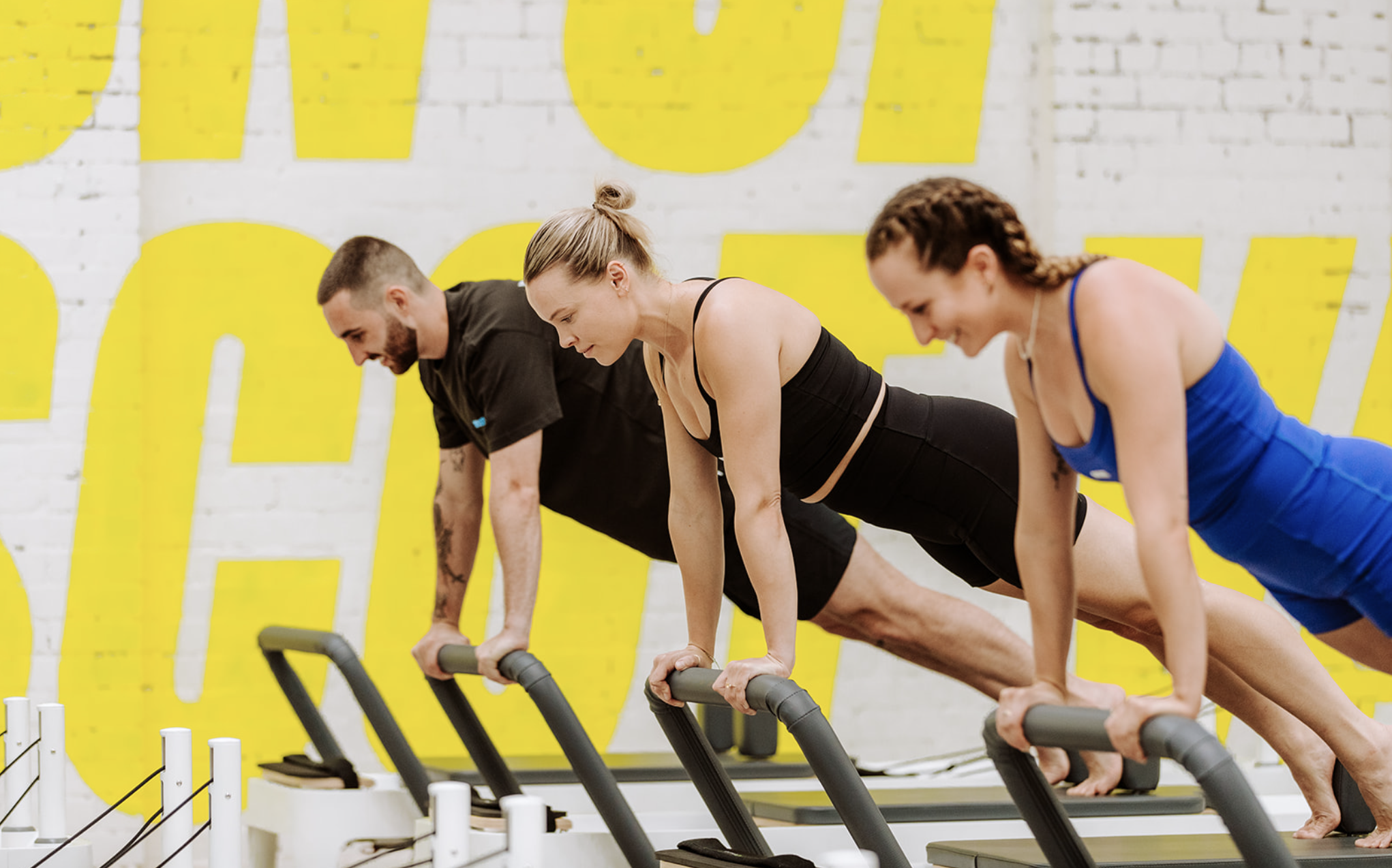
Reformer Pilates uses a specialised machine with springs that provide adjustable resistance and, in some exercises, support your movement, whether you join one-on-one sessions or small-group classes. Other apparatus, including the trapeze table, also use springs to assist movement or add resistance. Depending on the class, it can offer a more strength-focused workout that challenges your core, legs, arms and overall body control.
If you’re attending challenging Reformer sessions, allow your muscles enough time to recover between classes. As a whole-body workout for the entire body, two to four sessions per week may work well for many people, but beginners should build up gradually and adjust their schedule to the intensity of each session.
Upstate offers different Reformer class styles, so you can choose sessions that suit your experience and goals. Explore Reformer Pilates to learn more.
Mat Pilates and Hot Pilates
Mat Pilates is a mat based form of floor work that uses body weight, controlled movement and, in some classes, props such as resistance bands and weights. Classic mat work includes 34 movements documented by Joseph Pilates, and classes may include lying, sitting, kneeling and standing exercises. Depending on the sequence, it can range from gentle movement to a challenging full-body workout.
Hot Pilates adds a heated environment, which can make hydration, heat tolerance and recovery particularly important. It isn’t necessarily a lighter workout just because it uses a mat.
You may be able to practise Mat Pilates more frequently when sessions are gentle, but don’t assume that every mat class requires less recovery than Reformer. Base your schedule on the actual intensity of your classes and how your body responds.
Discover Hot Pilates and explore different class styles to find your feel-good movement mix.
Can You Do Pilates Every Day?
Yes, some people can do Pilates every day, provided they vary the intensity, choose suitable exercises and recover adequately. However, daily practice isn’t essential for great results, and two sessions a week can still work very well when balanced with recovery.
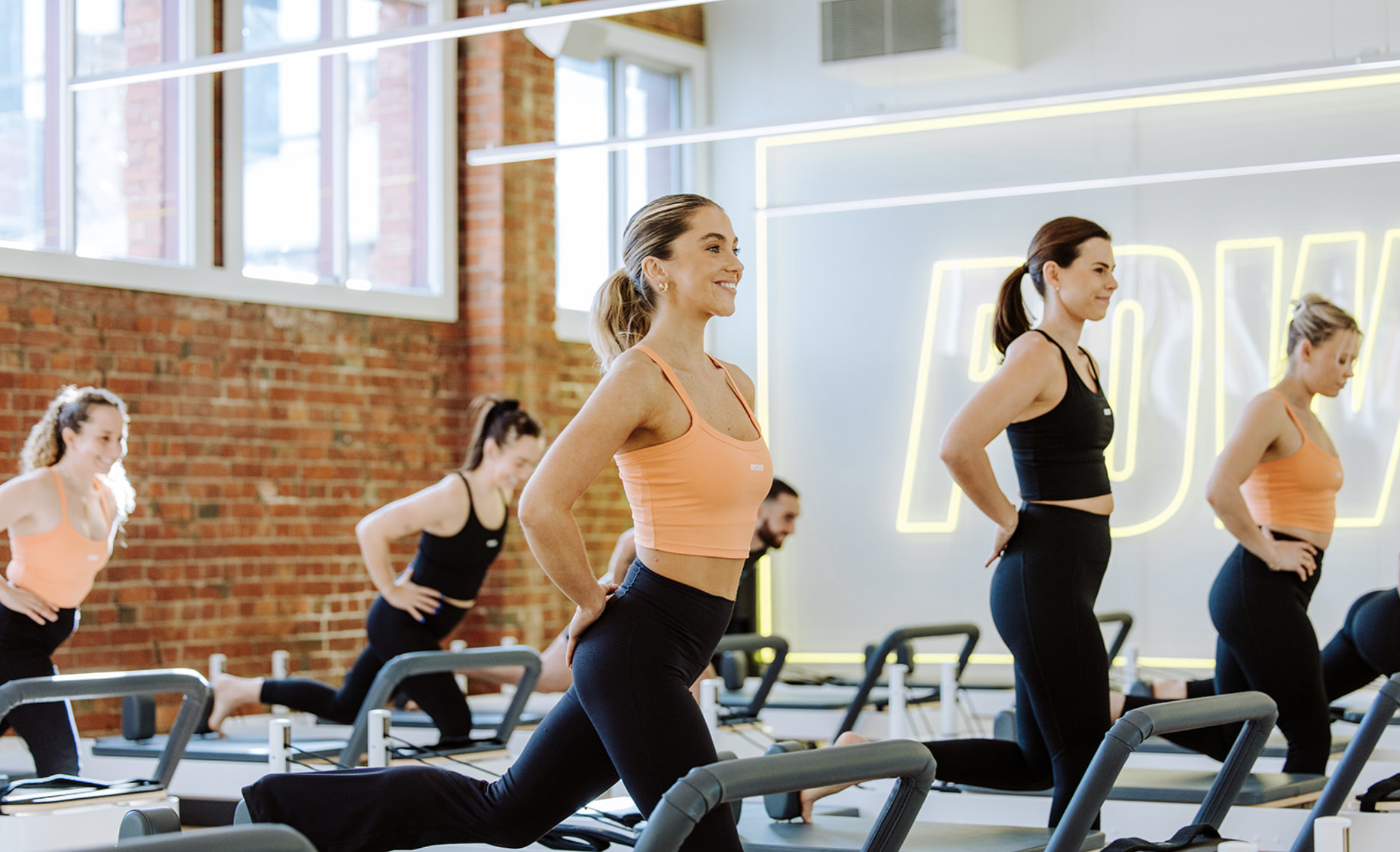
If you love moving every day, try alternating challenging classes with lighter sessions that focus on mobility, stretching or controlled technique, including breathing techniques and precise movements on easier days. For example, you could attend a strength-focused Reformer class one day and choose a gentler Mat or Yin session the next.
Pay attention to how you feel. If you’re constantly sore, unusually fatigued or struggling to maintain your usual technique, reduce the intensity or take a rest day.
The goal is to build a routine that leaves you feeling stronger and more energised over time, not one that leaves you exhausted.
Do You Need Rest Days From Pilates?
Rest days are an important part of a balanced exercise routine. Your muscles need time to recover after challenging sessions, and adequate recovery helps you return to class ready to move well.
You might need more recovery time after a demanding Reformer, strength or heated class than after a gentle mobility session. Your sleep, nutrition, stress levels and other physical activities can also affect how quickly you recover.
Signs you may need to ease back include:
- Muscle soreness that isn’t settling between sessions.
- Persistent fatigue or reduced energy.
- Difficulty maintaining good technique during familiar exercises.
- Worsening joint discomfort or recurring pain.
- Feeling less motivated because your body isn’t recovering well.
On lighter days, you could go for a walk, try gentle stretching or choose a suitable Yin class. Active recovery should feel comfortable and restorative rather than like another demanding workout.
Rest isn’t falling behind. It’s part of making your movement routine sustainable.
How Long Does It Take to See Results?
The time it takes to notice changes from Pilates depends on how consistently you practise, the type of classes you attend, your starting fitness level and what you mean by results.
You may notice improvements in body awareness, coordination or confidence within your first few sessions. With regular practice over several weeks, you may begin to notice changes in strength, mobility, balance and how comfortably you move through everyday activities. In many cases, two sessions a week can lead to significant results in about three months, including feeling better overall. Visible physical changes can take longer and vary significantly from person to person.
Joseph Pilates is often attributed the saying, “In 10 sessions you’ll feel the difference, in 20 you’ll see the difference, and in 30 you’ll have a whole new body.” It’s a memorable way to encourage consistency, but it shouldn’t be treated as a guaranteed scientific timeline.
Rather than focusing only on appearance, look for progress in the things that matter to you. You might find an exercise easier, feel more controlled during a movement or notice that you can maintain a regular weekly routine, with better body awareness, stronger abs and improved control.
For more on what regular practice can offer, explore the benefits of Reformer Pilates.
Combining Pilates With Other Training
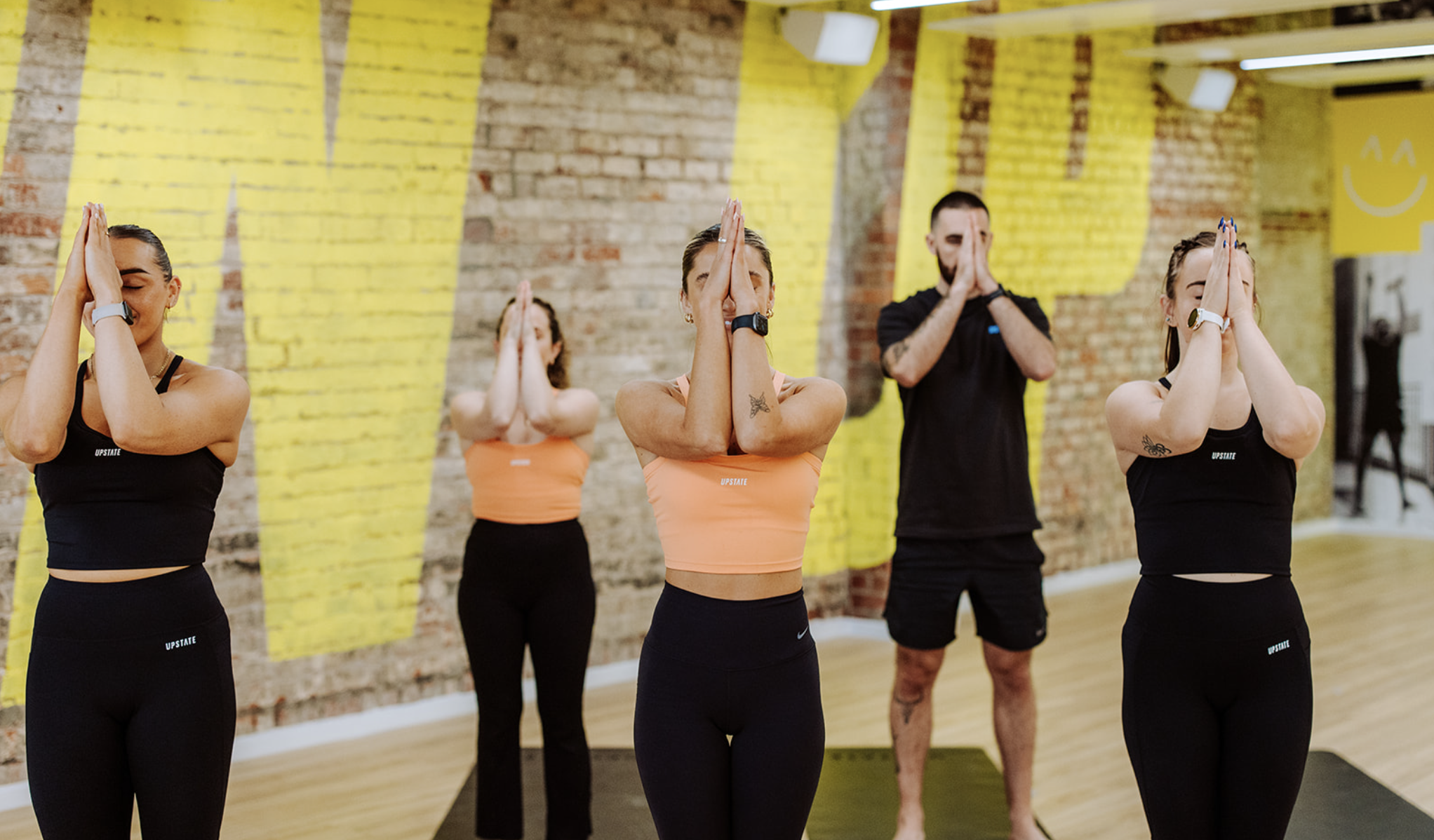
Pilates can complement other forms of exercise, giving you a more varied routine that balances strength, mobility, cardiovascular fitness and recovery. You don’t need to do Pilates exclusively to benefit from it.
Pilates and Strength Training
Strength training and Pilates can work well together. Weight training typically allows you to progressively increase resistance to build muscle strength, while Pilates places additional emphasis on controlled movement, core engagement and body awareness.
You might schedule two Pilates sessions and two strength sessions each week, adjusting the intensity and timing to suit your experience. Avoid repeatedly training the same muscle groups hard without enough recovery.
Pilates and Running or Cardio
Running, cycling, swimming and brisk walking can complement Pilates by adding cardiovascular exercise to your routine. Pilates can provide an opportunity to focus on trunk strength, control and mobility alongside your cardio training. As a general rule, Pilates can burn calories, but usually less than fast interval running or an intense strength workout.
If you run several times a week, try scheduling more challenging Pilates classes around your harder training days. A gentle session may fit well on an easier day, while a demanding leg-focused class might be better placed away from an important run.
Pilates and Yoga
Pilates and yoga can make a great combination if you enjoy mixing strength-focused movement with flexibility, balance and relaxation.
Pilates generally puts more focus on postural support, core control and the stabilising muscles that support the spine, including the pelvic floor, while yoga more often follows a set flow of sustained postures, breathing and relaxation. The exact experience depends on the style and intensity of each class.
You could try two Pilates sessions, one yoga class and a few walks throughout the week. This gives you variety without making every day a high-intensity training day.
Learn more about combining the two in our guide to Pilates and yoga.
Sample Weekly Pilates Schedules
Not sure how to fit Pilates into your week? These sample schedules can help you find a rhythm that suits your experience, goals and other activities. Adjust the days and intensity to match your availability and recovery needs.
Beginner Schedule
Start with two Pilates sessions per week, leaving time between classes to practise what you’ve learned and recover.
| Day | Activity |
|---|---|
| Monday | Beginner-friendly Reformer Pilates |
| Tuesday | Rest or gentle walk |
| Wednesday | Rest or light stretching |
| Thursday | Mat Pilates |
| Friday | Rest |
| Saturday | Walk or another enjoyable activity |
| Sunday | Rest and reset |
The goal: Build confidence, learn the fundamentals and establish a routine you can maintain.
Intermediate Schedule
If you’ve been practising regularly and recover comfortably, you could increase to three Pilates sessions a week while mixing class styles.
| Day | Activity |
|---|---|
| Monday | Reformer Pilates |
| Tuesday | Walk or cardio |
| Wednesday | Mat Pilates |
| Thursday | Rest or gentle mobility |
| Friday | Reformer Pilates |
| Saturday | Yoga or a relaxed walk |
| Sunday | Rest |
The goal: Develop strength and movement control while keeping your week varied.
Pilates Plus Gym Schedule
If you enjoy both Pilates and strength training, try alternating your sessions so you can challenge your muscles without making every workout demanding.
| Day | Activity |
|---|---|
| Monday | Strength training |
| Tuesday | Reformer Pilates |
| Wednesday | Walk or gentle recovery |
| Thursday | Strength training |
| Friday | Pilates |
| Saturday | Boxing, cardio or another activity you enjoy |
| Sunday | Rest |
The goal: Combine progressive strength training with Pilates while allowing for recovery. Adjust the schedule if your classes or gym sessions are particularly challenging.
These schedules are examples rather than prescriptions. You can swap days, reduce sessions or add rest depending on how you feel.
Ready to plan your week? Check the Upstate Studios timetable to find classes that fit your schedule.
Tips for Staying Consistent
The best Pilates routine is one you genuinely enjoy and can maintain. You don’t need a perfect schedule or to attend every day to make movement a regular part of your life.
Here are a few ways to make consistency easier.
- Book ahead. Choose your classes at the start of the week so movement has a place in your calendar.
- Pick a regular time. A consistent morning, lunchtime or after-work class can help turn Pilates into a habit.
- Find your favourite class styles. Mix Reformer, Mat, Hot Pilates, Box and other sessions to keep your routine fresh.
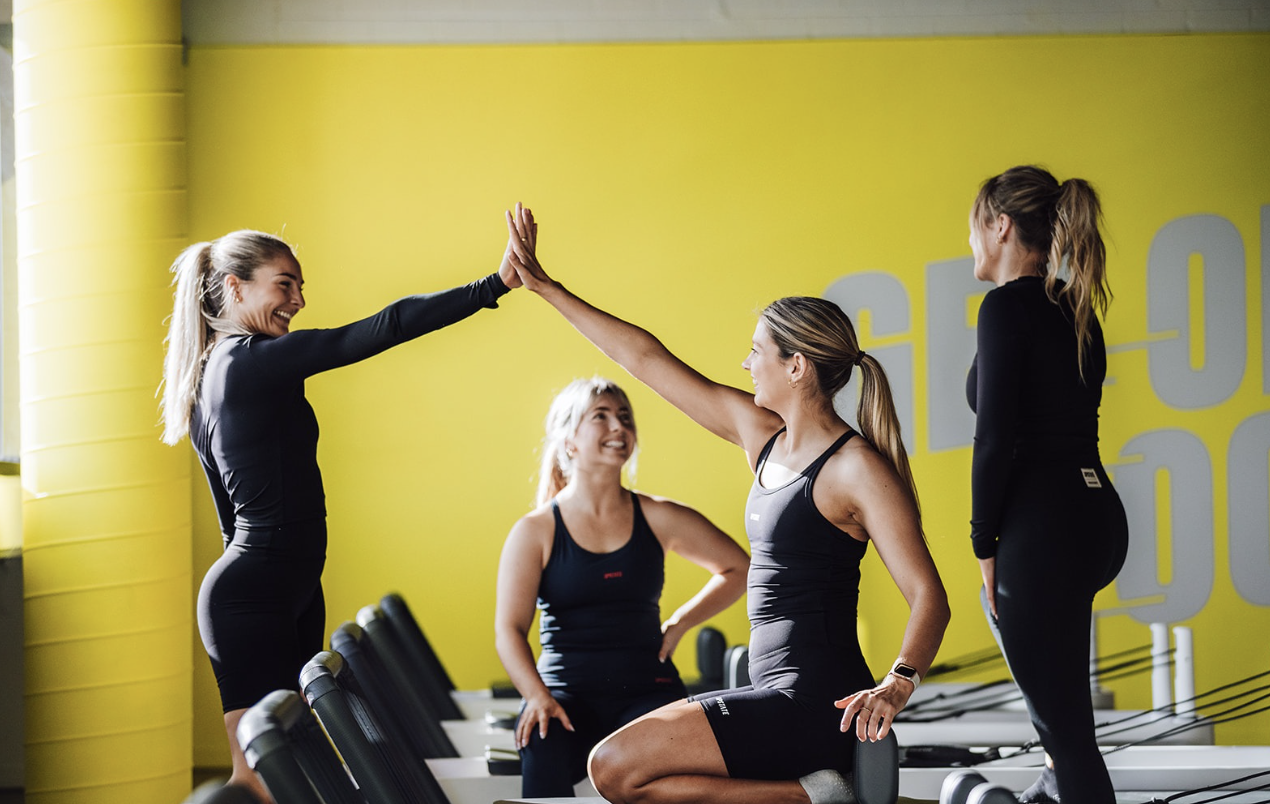
- Bring a friend. Sharing the experience can make getting to class more fun and give you someone to celebrate your progress with.
- Use the Upstate app. Make it easier to manage your bookings and plan your upcoming sessions.
- Be flexible. If you miss a class, simply get back into your routine when you can. One missed session won’t undo your progress.
- Celebrate the small wins. Better control, improved confidence and showing up consistently are all worth recognising.
For more practical ideas, read our guide to staying consistent.
Find Your Upstate Rhythm 💛
Whether you’re stepping onto the Reformer for the first time or looking to build a more regular movement routine, Upstate Studios has classes to help you find your flow.
Start with a frequency that feels manageable, experiment with different class styles and build from there. You don’t need to do it all at once, every class is an opportunity to move, reset and feel good.
Ready to get started? Explore our Upstate Studios intro offers and pricing and find an option that works for you.
Your movement routine, your pace. See you in the studio! 💛
