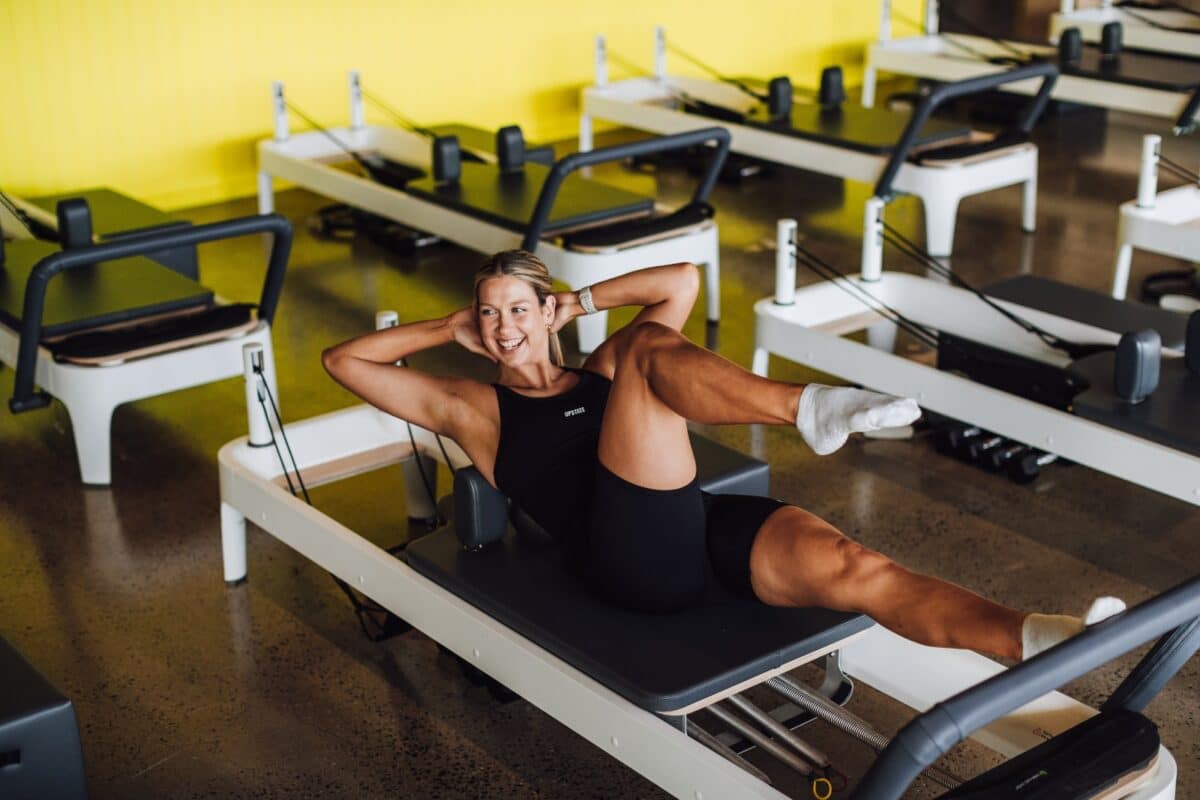
What Is Reformer Pilates and How Does It Work?
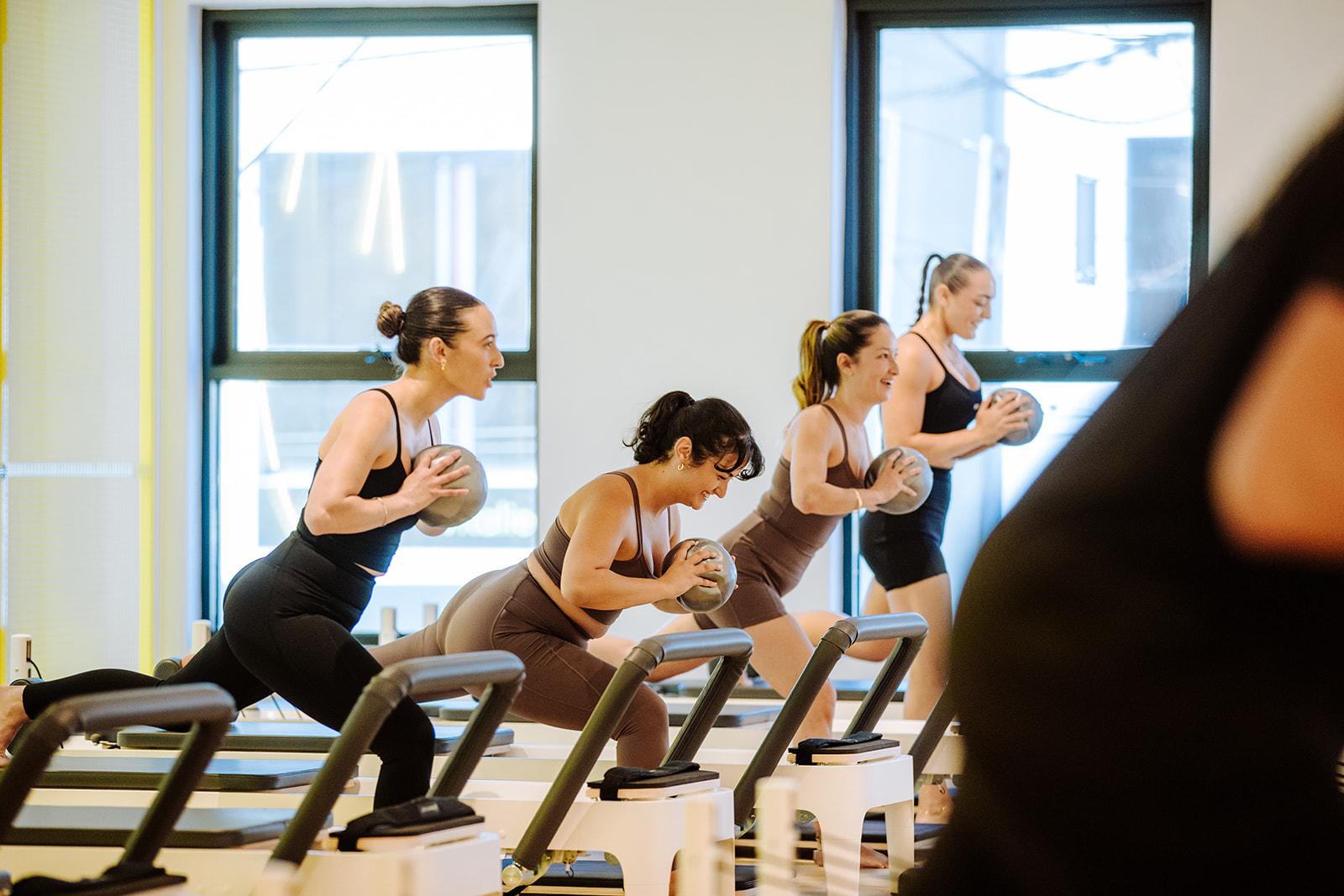
A reformer is a specialised piece of Pilates equipment—a sliding bed-like machine with springs, ropes, straps, a foot bar, and shoulder blocks to keep the body in place. This versatile machine is highly adaptable, allowing for different exercises and fitness levels. The reformer machine features a sliding carriage, also called a sliding platform, which moves back and forth as you push or pull. The carriage is a moving bed-like component that facilitates resistance training and full-body exercises. Springs provide adjustable tension to add resistance (light → heavy), making exercises more challenging or supportive as needed. The reformer machine is spring-loaded to add resistance and support to classic Pilates movements. Straps and pulleys help guide movement and alignment. The reformer machine allows for thousands of exercise variations across multiple positions that are not possible on a mat.
This setup lets you both assist and challenge the body at the same time, which is why reformer Pilates is widely used for everything from rehab to athletic training.
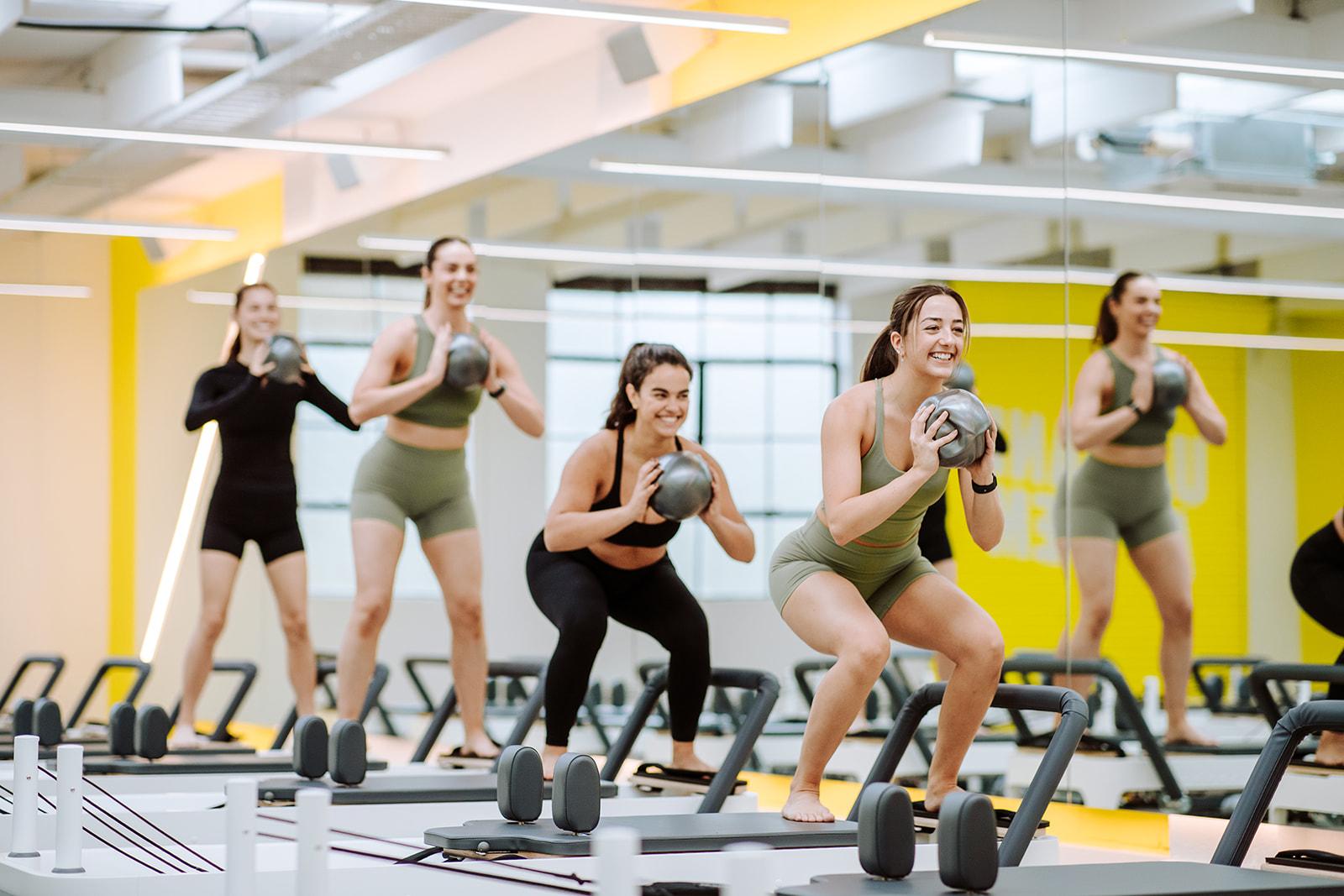
The 10 Proven Benefits of Reformer Pilates
1. Improves Core Strength and Stability
Reformer Pilates targets the deep core—what Joseph Pilates called the “powerhouse”—including the abdominals, lower back, and hips. Research shows strong activation of the transversus abdominis, a key stabilising muscle that supports the spine and prevents injury. In practice, this means your core learns to stabilise during movement, improving everyday activities like lifting, posture, and balance rather than just building superficial strength. Developing a strong core through reformer Pilates enhances overall stability and back health. Improved core strength from reformer Pilates also leads to better muscle engagement and reduced back pain. Additionally, reformer Pilates may be more beneficial than mat Pilates for improving agility and strength in athletes.
2. Enhances Flexibility and Range of Motion
Reformer Pilates improves flexibility through controlled, resistance-based stretching and controlled movements, allowing muscles to lengthen safely under tension. Clinical studies, including Australian physiotherapy research, show measurable gains in flexibility and joint mobility. The guided carriage and springs help you move through a greater range without strain, making it especially effective for people with stiffness from sedentary lifestyles.
Additionally, the adjustable resistance in Reformer Pilates allows for progressive overload, which is essential for building strength and muscle endurance.
3. Promotes Better Posture and Alignment
By strengthening postural muscles and correcting imbalances, reformer Pilates helps realign the body—particularly the spine, shoulders, and pelvis—by focusing on postural alignment. The exercises emphasize proper alignment, ensuring correct posture and spinal health through controlled movements and engagement of both larger and smaller muscles. Reformer Pilates targets specific muscle groups to support postural alignment, address muscle fatigue, and promote better overall body mechanics. This is highly relevant for office-based Australians, as it counteracts common issues like rounded shoulders and forward head posture. Over time, it acts as a form of corrective training, improving how you sit, stand, and move throughout the day. Reformer Pilates is also especially popular for injury rehabilitation.
4. Prevents Injuries and Speeds Recovery
Reformer Pilates is widely used in rehabilitation because it retrains proper movement patterns and emphasizes correct form while building strength. It enhances neuromuscular control—how the brain and muscles coordinate—which helps prevent injuries and supports recovery from issues like back pain or joint instability. Practically, it teaches your body to move efficiently again through controlled, functional exercises.
It is advisable to do at least one private session before joining a group reformer class to ensure you learn the correct form and technique for injury prevention and optimal results.
5. Boosts Energy, Reduces Stress, and Elevates Mood
The combination of breathwork and controlled movement helps reduce cortisol levels and stress levels while increasing endorphins, leading to improved mood and more energy. Reformer Pilates also activates the body’s relaxation response, making it effective for stress management and supporting mental well-being by enhancing emotional and psychological health. Many people experience it as a form of moving meditation that leaves them feeling both physically energised and mentally reset, with greater mental clarity and focus.
6. Supports Hormonal and Menstrual Health
Research on dysmenorrhea shows Pilates can reduce menstrual pain and improve overall well being by enhancing circulation and reducing muscle tension in the pelvic region. Its low-impact, adaptable nature makes it suitable across different phases of the menstrual cycle. In real terms, it offers a gentle yet effective way to support hormonal balance and manage discomfort, while also contributing to improved physical fitness through enhanced core strength and overall health.
7. Burns More Calories than Mat Pilates
Reformer Pilates typically burns more calories than mat Pilates due to added resistance and continuous movement, with studies showing it can reach moderate-intensity exercise levels. Sessions may burn roughly 250–450 calories per hour depending on intensity. This makes it effective for combining strength training, endurance, and cardiovascular conditioning without high-impact strain. Unlike traditional workouts that rely on heavy weights, reformer Pilates uses springs and body control to build muscle tone and strength, offering a low-impact alternative for muscle development and toning.
8. Strengthens Joint Mobility Without Impact
Reformer Pilates builds strength through full joint ranges while remaining a low impact workout, which supports joint health and reduces wear and tear. It encourages circulation of synovial fluid and improves stability around joints. This makes it particularly appealing for active ageing populations in Australia or anyone managing joint sensitivity while still wanting effective training.
9. Improves Balance and Coordination
By combining core stability with controlled, often unilateral movements, reformer Pilates enhances balance, coordination, and body awareness. These improvements are linked to better proprioception and reduced fall risk, especially in older adults. In daily life, this translates to greater stability, smoother movement, and improved physical confidence during everyday activities.
Practicing reformer Pilates three times a week is ideal for seeing results, but even one session per week can be beneficial.
10. Enhances Mind-Body Awareness and Mindfulness
Reformer Pilates emphasises precise, mindful movement, encouraging a strong connection between the brain and body. It is more than just a workout; this holistic practice uses controlled movements and breathing techniques to enhance the mind-body connection. This somatic focus improves how you sense and control muscle activation, leading to more efficient and safer movement patterns. Beyond physical benefits, it cultivates mindfulness, helping you stay present and engaged during exercise and daily activities.
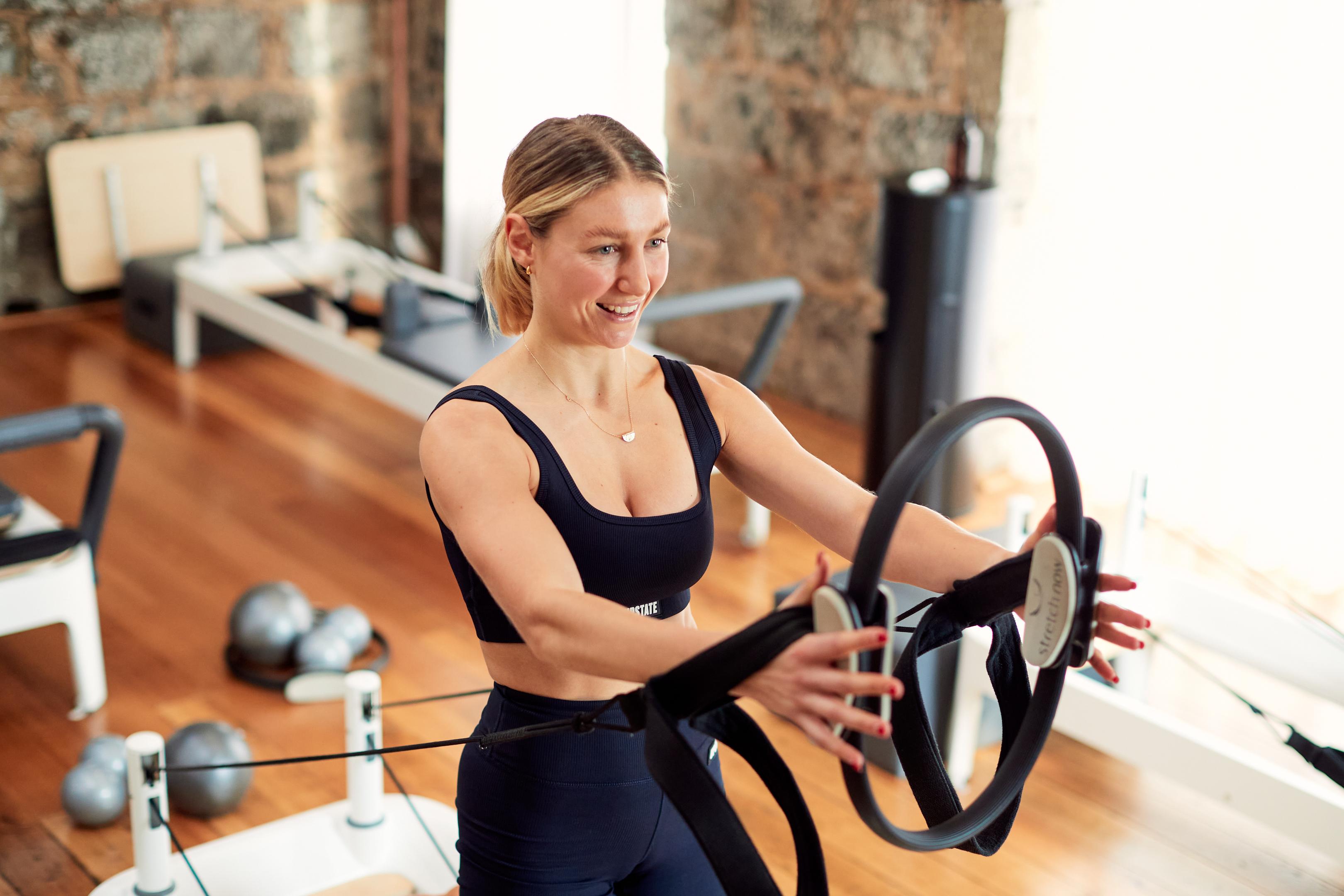
Reformer Pilates vs Mat Pilates: Which Is Better for You?
Both reformer and mat Pilates are built on the same principles—controlled movement, breath, and core engagement—but they differ in how intensity, accessibility, and results are delivered. Mat Pilates, often referred to as traditional Pilates, is typically performed on a yoga mat and focuses on fundamental low-impact exercises and alignment. Both methods provide a great workout and can significantly improve your fitness, supporting physical well-being and complementing other exercise routines. Reformer Pilates can be practiced at home if you have a reformer machine, or you can attend classes at studios or gyms. The “better” option depends less on the method itself and more on your goals, budget, and preferred workout style.
Key Differences
| Feature | Reformer Pilates | Mat Pilates |
|---|---|---|
| Session duration | 45–60 mins (studio-based) | 10–60 mins (flexible, home or class) |
| Primary goals | Strength, toning, rehab, progression | Core control, technique, mobility |
| Calorie burn | ~250–450 kcal/hour | ~175–250 kcal/hour |
| Resistance type | Spring-based (adjustable) | Bodyweight (gravity only) |
| Cost | Higher (studio classes or machine) | Low (just a mat or online class) |
| Accessibility | Requires studio or equipment | Can be done anywhere |
| Beginner suitability | Easier to modify with support | Can feel harder without support |
| Exercise variety | High (multiple positions, movements) | Moderate (floor-based sequences) |
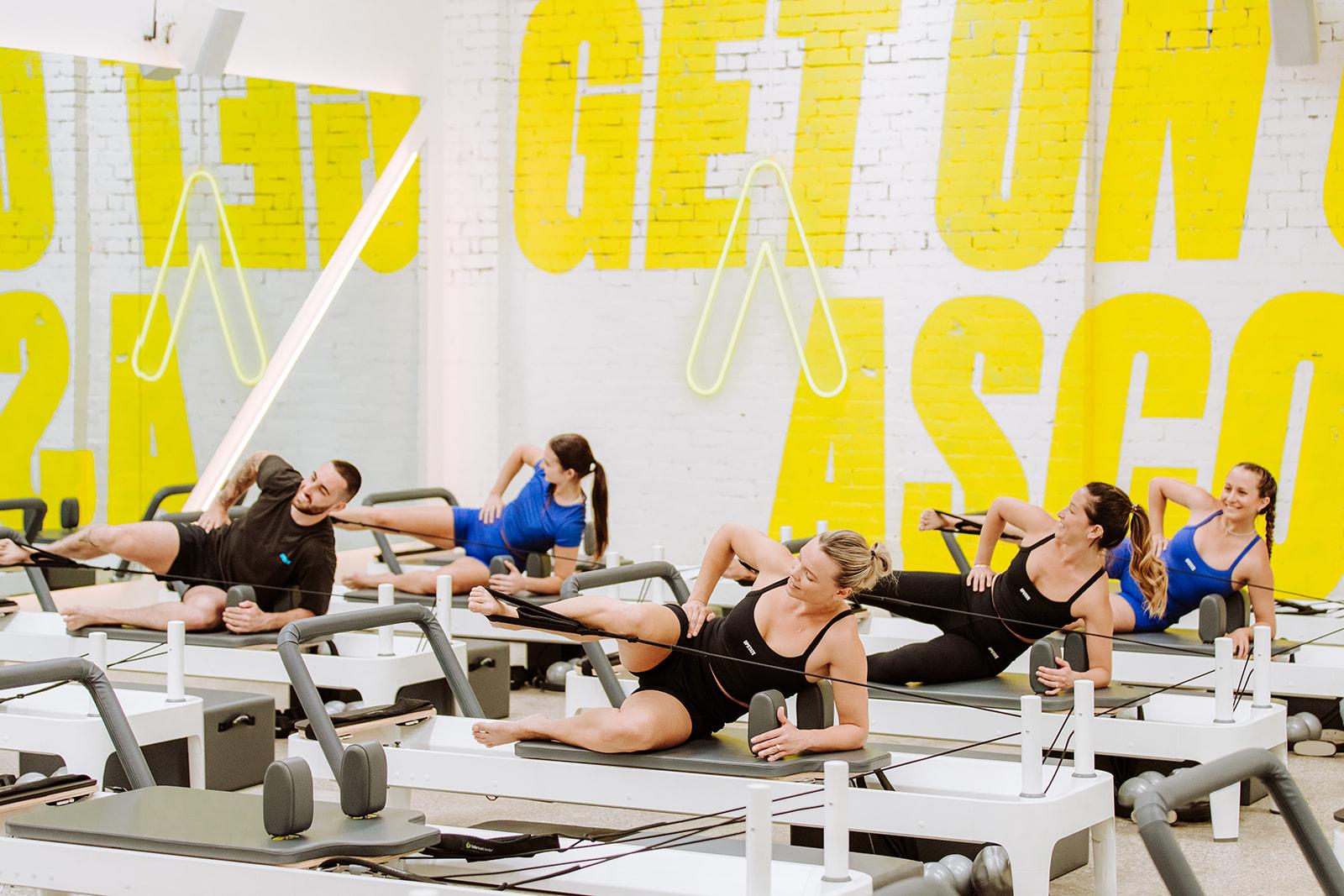
Tips for Getting Started with Reformer Pilates
Starting reformer Pilates can feel intimidating, but most studios and gyms are designed to guide beginners step-by-step. At Upstate Studios , you’ll typically book ahead, arrive early, and be guided through setup, technique, and safety by an instructor. Classes are suitable for all fitness levels, with instructors tailoring exercises to individual needs. Reformer Pilates classes typically last 45 to 60 minutes and include a warm-up, resistance work, and a cool-down.
What equipment do beginners actually need?
You don’t need much to get started—most studios provide everything. Typically, all reformer machines and accessories are included, and instructors walk you through how to use them safely.
Bring:
- Comfortable workout clothes
- Grip socks (recommended for stability and hygiene)
- Water bottle and small towel
How to breathe properly (this matters more than you think)
Breathing is a core part of Pilates—not an afterthought. Most classes teach:
- Inhale through the nose to prepare
- Exhale through the mouth during effort
This technique helps:
- Activate deep core muscles
- Reduce tension in the neck and shoulders
- Improve control and endurance
Studios consistently emphasise that breathing + movement together is what makes Pilates effective for both strength and stress reduction.
What to expect in your first class
Beginner-friendly classes move at a slower pace and focus on fundamentals like alignment, posture, and safe machine use.
You can expect:
- A 45-minute structured session with guided instruction, including a warm up at the start and a cool down at the end
- Simple exercises that build gradually
- Hands-on cues or verbal corrections from the instructor
- A full-body workout that may feel surprisingly challenging
Realistic expectations (so you don’t quit early)
- You may feel muscles shaking—this is normal and part of deep muscle activation
- It can take 2–4 weeks to feel confident with the machine
- Consistency (2–3x per week) is key to improving your practice
Your Reformer Pilates Starter Guide
Before class:
- Book your session in advance
- Wear fitted activewear
- Bring grip socks + water
During class:
- Focus on breathing (not just movement)
- Start with lighter springs
- Prioritise form over intensity
After class:
- Stretch and hydrate
- Expect mild soreness (especially core + glutes)
- Book your next session while motivated
FAQs
Is Reformer Pilates suitable for beginners?
Yes, reformer Pilates is very beginner-friendly because the machine provides support and adjustable resistance, making exercises easier to learn with proper guidance.
Can Reformer Pilates help with back pain or injury rehab?
Yes, it’s commonly used in physiotherapy to strengthen stabilising muscles, improve alignment, and retrain safe movement patterns, which can reduce pain and support recovery.
How does Reformer Pilates compare to yoga?
Reformer Pilates focuses more on strength, control, and rehabilitation, while yoga emphasises flexibility, flow, and relaxation, though both improve mobility and mindfulness.
Can I do Reformer Pilates during pregnancy?
Yes, with medical approval and a qualified instructor, many studios offer prenatal classes that adapt exercises to ensure safety for each stage of pregnancy.
How much does Reformer Pilates cost in Australia?
Classes typically range from $25 to $50 per session, with memberships or class packs offering better value depending on the studio and location.