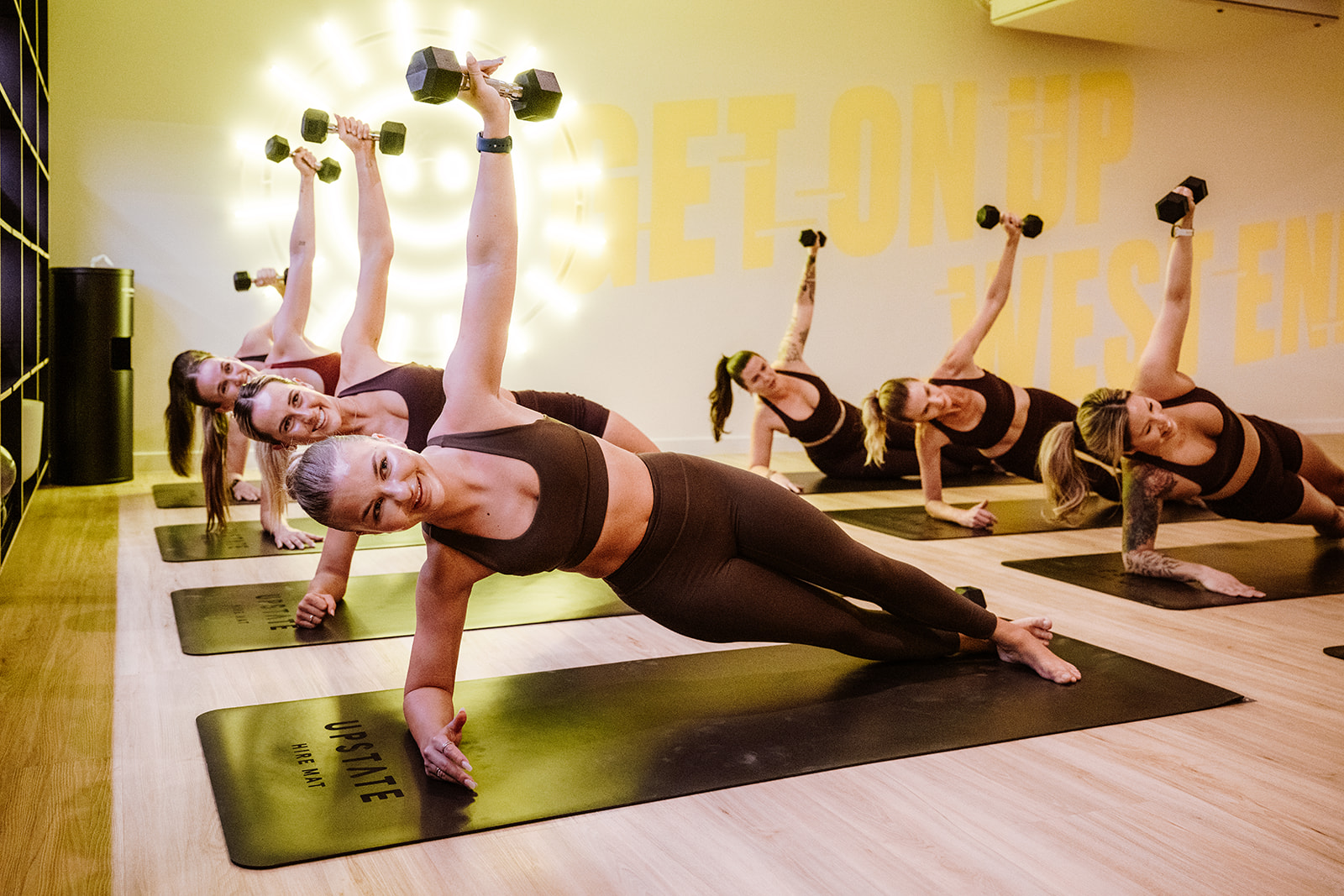
What is Pilates and Why Is It Perfect for Beginners?
If you’ve been thinking about trying Pilates but aren’t sure where to start, you’re in the right place. The best part? You don’t need to be fit, flexible or have any experience to begin. Pilates is designed to meet you where you’re at, making it one of the most beginner-friendly forms of exercise available. It was developed by Joseph Pilates in the early 20th century.
Reformer Pilates is a low-impact, full-body workout that helps build strength, improve mobility, boost balance and increase body awareness, all while being gentle on your joints. Every movement can be modified to suit your fitness level, so whether you’re stepping into a studio for the very first time or getting back into exercise after a break, you’ll feel supported from the moment you arrive.
At Upstate Studios, we believe movement should feel empowering, never intimidating. Our instructors are there to guide you through every class, offering modifications, encouragement and plenty of reassurance along the way. There’s no pressure to “keep up”—just move at your own pace and enjoy the process. It’s this welcoming, non-judgemental atmosphere that keeps so many members coming back.
If you’re curious but not ready to commit long-term, our 30 Day Intro Offer is the perfect place to start. For just $59, you’ll enjoy unlimited classes for 30 days, giving you the chance to explore different class styles, meet our incredible instructors and discover why thousands of Australians have made Pilates part of their weekly routine.
Your first class doesn’t have to be perfect; it just has to be your first. We’ll take care of the rest.
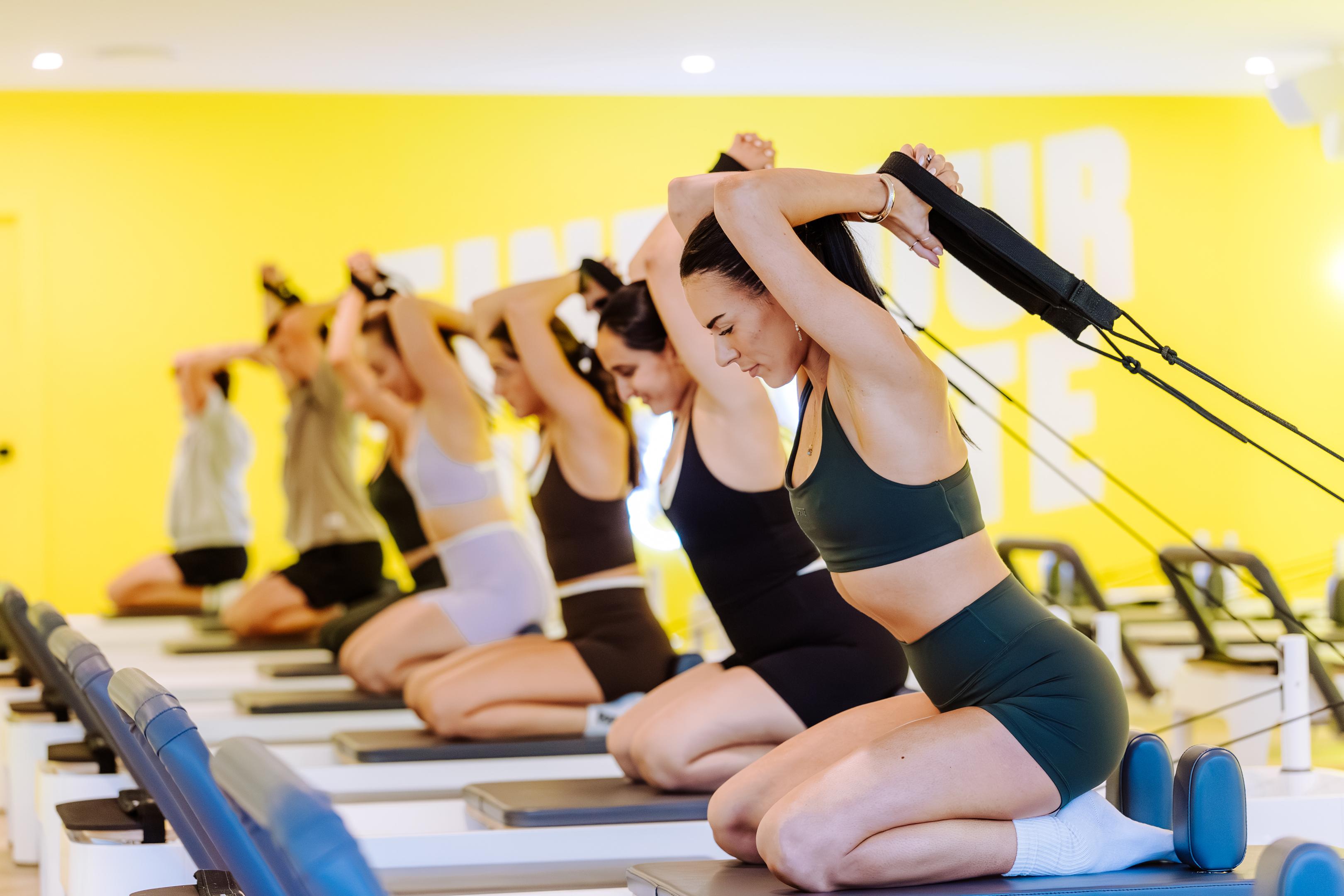
Mat Pilates vs Reformer Pilates: Which Should You Start With?
One of the biggest questions beginners ask is, ‘Should I start with Mat Pilates or Reformer Pilates?’ The good news is that both are fantastic options—it simply comes down to how you like to move and what kind of experience you’re looking for.
Mat Pilates
Mat Pilates is performed using your body weight on a yoga-style mat, sometimes with small pieces of equipment like resistance bands or Pilates balls. It’s a simple, accessible way to learn the foundations of Pilates while building core strength, stability and mobility.
At Upstate, our Hot Pilates classes combine traditional mat-based Pilates with the added challenge of a heated room, creating an energising full-body workout. While the heat increases intensity, every exercise can still be modified, making it suitable for beginners who enjoy a dynamic class environment.
Reformer Pilates
Reformer Pilates uses a spring-loaded machine called a reformer. While it might look intimidating at first, it’s actually one of the most supportive ways to begin Pilates. The adjustable springs provide both resistance and assistance, helping you perform movements with greater control while building strength, improving posture and increasing flexibility.
If you’re brand new to the reformer, Power Reformer Form is the perfect place to start. This 45-minute class is specifically designed to help beginners feel comfortable on the machine, with extra time dedicated to learning set-ups, mastering technique and understanding the fundamentals before progressing to more challenging movements.
So, which one is better for beginners?
There’s no wrong choice—but if you’re completely new to Pilates, Power Reformer Form offers the most guided introduction to using the reformer, while Hot Pilates is a great option if you prefer equipment-free movement on the mat.
Whichever class you choose, every Upstate session is 45 minutes, instructor-led and designed to help you build confidence one class at a time. Our coaches provide modifications throughout every workout, so you can move at your own pace while still feeling challenged and supported.
The most important step isn’t choosing the “perfect” class—it’s simply getting started. Once you’ve experienced your first session, you’ll quickly discover which style you love most.
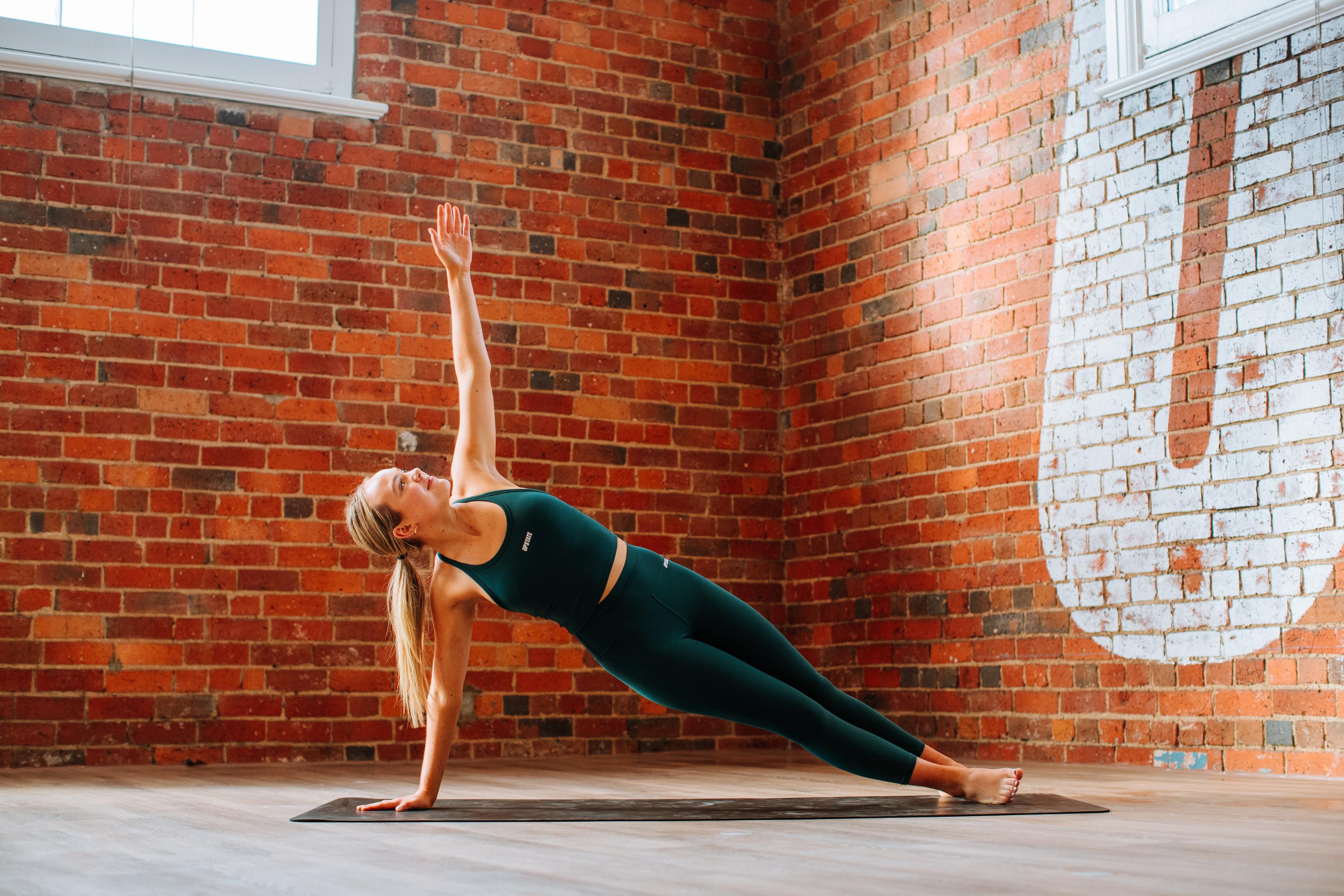
5 Beginner-Friendly Pilates Exercises to Try First
You don’t need to master advanced movements to experience the benefits of Pilates. Here are 10 things you should know before your first class, and in fact, the best place to start is with a handful of foundational exercises that teach you how to breathe, engage your core and move with control. These beginner-friendly movements appear in many Pilates classes because they build the strength and confidence needed for everything that comes next.
1. Pelvic Tilts
What it targets: Deep core muscles, lower back and pelvic stability.
Pelvic tilts are often one of the first exercises beginners learn because they help you understand what a neutral spine feels like. By gently rocking your pelvis forwards and backwards while lying on your back, you’ll begin to activate your deep abdominal muscles and improve your awareness of spinal positioning.
What you should feel: Your lower abdominal muscles gently engaging while your back moves comfortably. You shouldn’t feel strain in your neck or shoulders.
Beginner modification: Keep your feet hip-width apart and move slowly, focusing on control rather than range of motion.
2. Bridge
What it targets: Glutes, hamstrings, core and lower back.
The bridge strengthens the muscles that support your hips and spine while improving posture and pelvic stability. It’s a fantastic full-body exercise that also encourages smooth, controlled movement.
What you should feel: Your glutes and hamstrings doing most of the work as you lift your hips. Your lower back should feel supported rather than compressed.
Beginner modification: Lift your hips only as high as feels comfortable and pause briefly at the top before lowering with control.
3. Dead Bug
What it targets: Deep core muscles, coordination and stability.
Despite its funny name, the Dead Bug is one of the best exercises for learning how to keep your core engaged while moving your arms and legs independently. This movement helps improve balance, coordination and everyday functional strength.
What you should feel: Your lower abs working to keep your back stable against the mat. If your back starts arching, reduce the range of movement.
Beginner modification: Move one arm or one leg at a time instead of both together until you feel more confident.
4. Single Leg Stretch
What it targets: Abdominals, hip flexors and coordination.
A Pilates classic, the Single Leg Stretch teaches you to maintain a strong, stable core while moving your legs. It’s excellent for building endurance through your abdominal muscles and improving control.
What you should feel: Your core supporting the movement while your shoulders stay relaxed. Avoid pulling on your neck or rushing through each repetition.
Beginner modification: Keep your head resting on the mat if lifting it feels uncomfortable, and slow the movement down.
5. The Hundred
What it targets: Core strength, breathing control and muscular endurance.
The Hundred is one of Pilates’ most recognisable exercises and is often used as a warm-up. While it looks challenging, beginners can easily modify it while still learning the breathing patterns that are central to Pilates practice.
What you should feel: Your deep abdominal muscles engaging with each breath, not tension building in your neck or lower back.
Beginner modification: Keep your knees bent in a tabletop position or leave your feet on the floor while practising the arm pumps and breathing.
Bonus: The Roll Up
What it targets: Core strength, spinal mobility and body control.
The Roll Up is often considered a milestone movement in Pilates. Rather than using momentum to sit up, the goal is to move one vertebra at a time, building strength and control throughout your entire core.
What you should feel: Your abdominals working to guide the movement while your spine lengthens. If you find yourself swinging or jerking upwards, that’s completely normal for beginners.
Beginner modification: Bend your knees slightly or use a resistance band around your feet to provide extra support as you roll up and down.
Remember: Progress Over Perfection
Every Pilates expert was once a beginner. These exercises aren’t about getting everything right on your first attempt—they’re about learning how your body moves and building strength with consistency.
That’s one of the biggest benefits of taking an instructor-led class at Upstate. Your coach can provide hands-on cues, offer modifications and help you find the correct technique from day one, so you know exactly what each movement should feel like and can progress safely and confidently through your pilates journey.
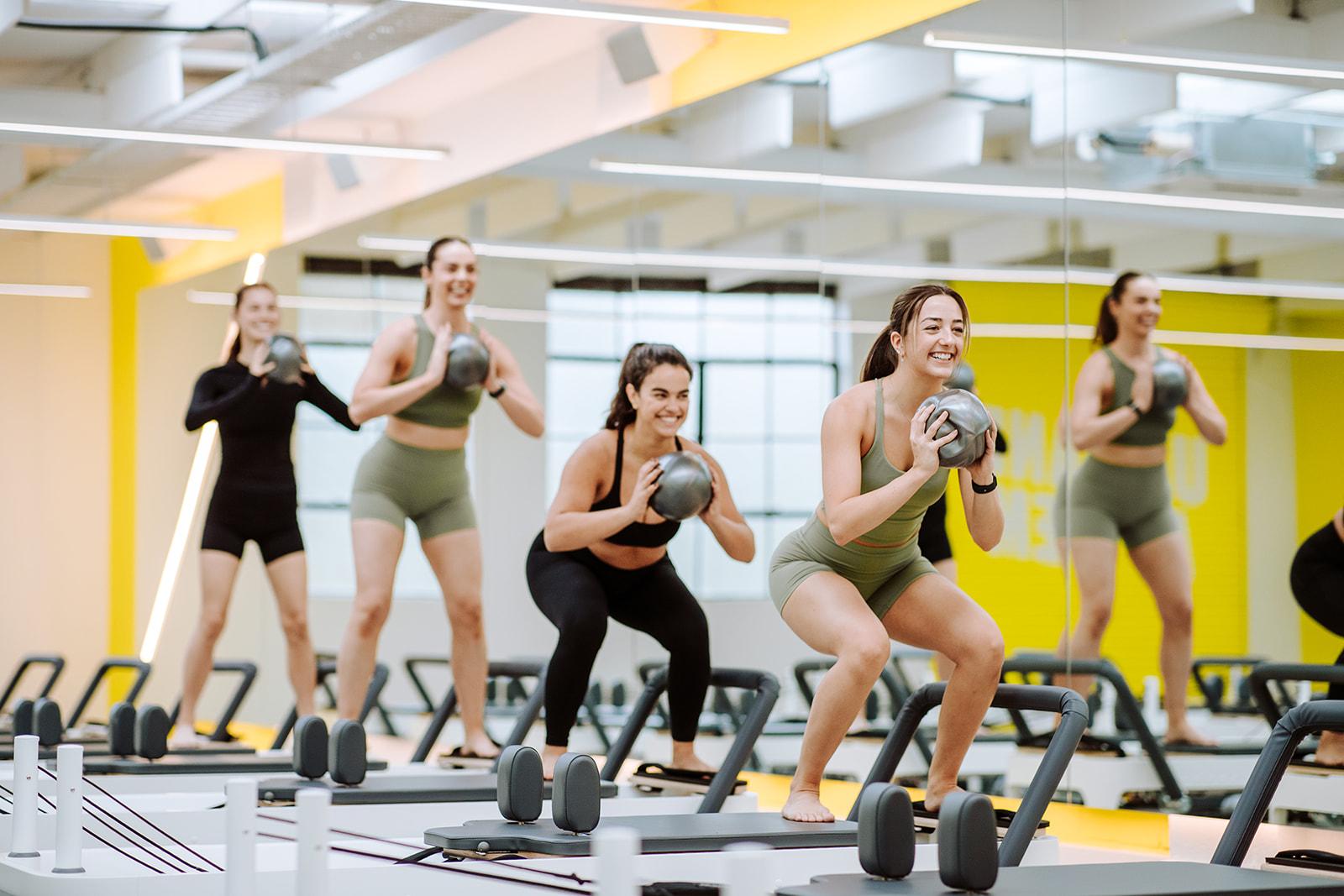
The Basic Principles of Pilates
If you’ve ever looked up the principles of Pilates, you’ve probably seen a long list of terms like centering, precision and flow. While they’re all important, you don’t need to memorise six definitions before your first class. Instead, focus on these three simple ideas.
1. Keep Breathing
It sounds obvious, but one of the most common things beginners do is hold their breath when an exercise feels challenging. In Pilates, your breath helps support each movement and keeps your body relaxed.
A good rule of thumb? If you’re moving, you’re breathing.
Don’t worry if you don’t get the breathing pattern right straight away—your instructor will cue you throughout the class.
2. Move From Your Centre
You’ll often hear instructors talk about your “core” or “centre.” This doesn’t mean constantly squeezing your abs as hard as you can.
Instead, think about gently drawing your lower belly in towards your spine while keeping the rest of your body relaxed. This deep core engagement and proper alignment help support your spine, improve balance and strengthen the muscles that create a stronger core, making every movement feel more controlled and supporting core stabilization.
3. Slow Down
Pilates isn’t about racing through repetitions or lifting the heaviest weight. In fact, slower is often harder.
Moving with control allows you to activate the correct muscles, improve technique and build strength more effectively. If the person next to you is moving differently, that’s completely okay—Pilates is designed to be performed at your own pace.
The great thing about instructor-led classes at Upstate is that you don’t have to remember all of this yourself. Our coaches guide you through breathing, technique and alignment every step of the way, so you can simply focus on enjoying the movement.
Common Beginner Pilates Mistakes (and How to Avoid Them)
Everyone starts somewhere, and making mistakes is part of learning. Here are a few of the most common things new Pilates members experience—and how to fix them.
| Mistake | Simple Fix |
|---|---|
| Holding your breath during challenging exercises | Keep your breathing steady. If you’re unsure when to inhale or exhale, simply keep breathing naturally until the instructor guides you. |
| Feeling tension in your neck during abdominal exercises | Relax your shoulders, keep space between your chin and chest, and let your core—not your neck—do the work. |
| Skipping the warm-up because it seems easy | Don’t rush it. The warm-up prepares your muscles, activates your core and helps reduce your risk of injury throughout the class. |
| Thinking you’re doing it wrong because you’re not exhausted | Pilates focuses on control, stability and precision. You might not leave drenched in sweat every class, but you’ll often discover muscles you didn’t know you had the next day. |
| Trying to keep up with everyone else | Focus on your own movement. Everyone progresses at their own pace, and quality always beats speed. |
One of the biggest advantages of attending classes at Upstate is having an instructor in the room with you. Rather than guessing whether your technique is correct, you’ll receive helpful cues, alignment corrections and modifications throughout class. That means you can build confidence knowing you’re moving safely while getting the most out of every exercise.
How Often Should a Beginner Do Pilates?
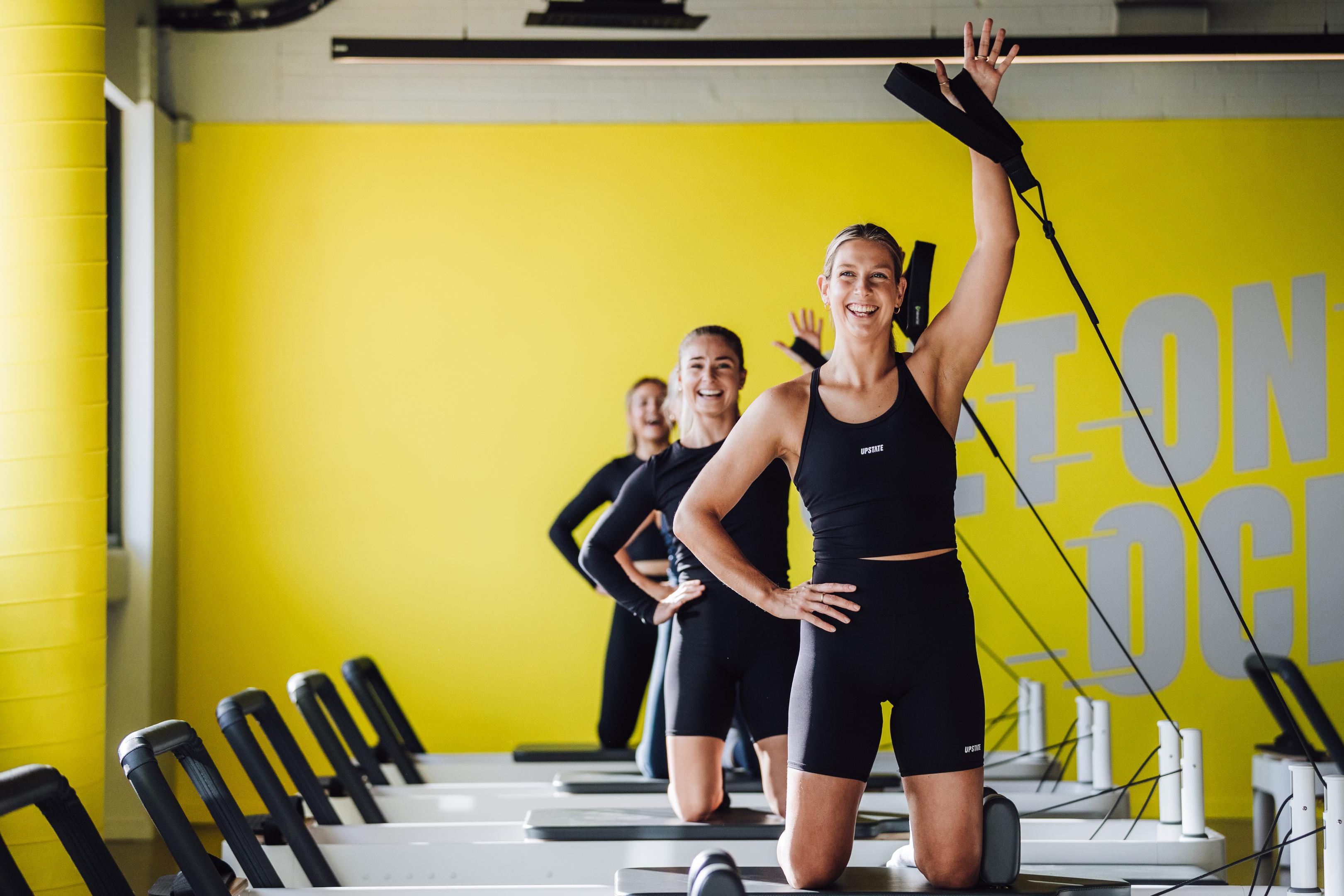
If you’re just starting out, 2 to 3 Pilates classes per week is the sweet spot.
This gives your body enough time to build strength, improve mobility and learn the movements without feeling overwhelmed. Like any new form of exercise, consistency is far more important than trying to do everything at once, so you can incorporate Pilates into your week alongside other training.
Rather than squeezing in five classes during your first week and then taking two weeks off, aim to build a routine you can stick with. Two or three regular sessions each week will help you develop better technique, improve your confidence and start noticing progress much sooner.
At Upstate, every class runs for 45 minutes, making it easy to fit Pilates into your schedule before work, after work or even during your lunch break. Whether you’re choosing Reformer Pilates, Hot Pilates or a combination of both, you’ll be building a strong foundation one class at a time.
Remember, Pilates isn’t about being perfect—it’s about showing up consistently. Every class helps you move a little better, build muscle strength and become more confident in your body.
What to Bring to Your First Pilates Class
Walking into your first Pilates class can feel a little daunting, but the good news is you don’t need to bring much—just yourself and a willingness to give it a go.
Here’s everything you’ll need to wear and bring to a pilates class:
- Comfortable activewear – Choose clothing that allows you to move freely. Think leggings, shorts, tanks or a fitted T-shirt that won’t restrict your movement.
- Grip socks – If you’re taking a Reformer Pilates class, grip socks are recommended to help you stay secure on the machine. If you don’t have a pair yet, don’t stress—most studios, including Upstate, have them available to purchase.
- A water bottle – Staying hydrated is always a good idea, especially if you’re joining one of our more dynamic or heated classes.
- A positive mindset – You don’t need to be flexible, strong or experienced to enjoy Pilates. Everyone starts somewhere.
Arrive 10 Minutes Early
If it’s your first visit, aim to arrive 10 minutes before class. This gives you plenty of time to check in, meet your instructor and get familiar with the studio before the session begins.
For Reformer classes, your instructor will show you how the machine works, help you adjust your springs and make sure you’re set up correctly before class starts.
What You Don’t Need to Worry About
- No Pilates experience is required.
- You don’t need to know the exercise names beforehand.
- Every movement can be modified to suit your fitness level.
- Your instructor will guide you through the class and help with technique whenever you need it.
- If you have health concerns, are pregnant, or are returning from injury, check with a doctor or healthcare professional before starting Pilates.
At Upstate, creating a welcoming and supportive environment is what we’re all about. Whether it’s your very first workout or you’re returning to exercise after a break, our instructors are there to help you feel comfortable, confident and ready to enjoy every minute of your 45-minute class.
Ready to Try Pilates at Upstate?
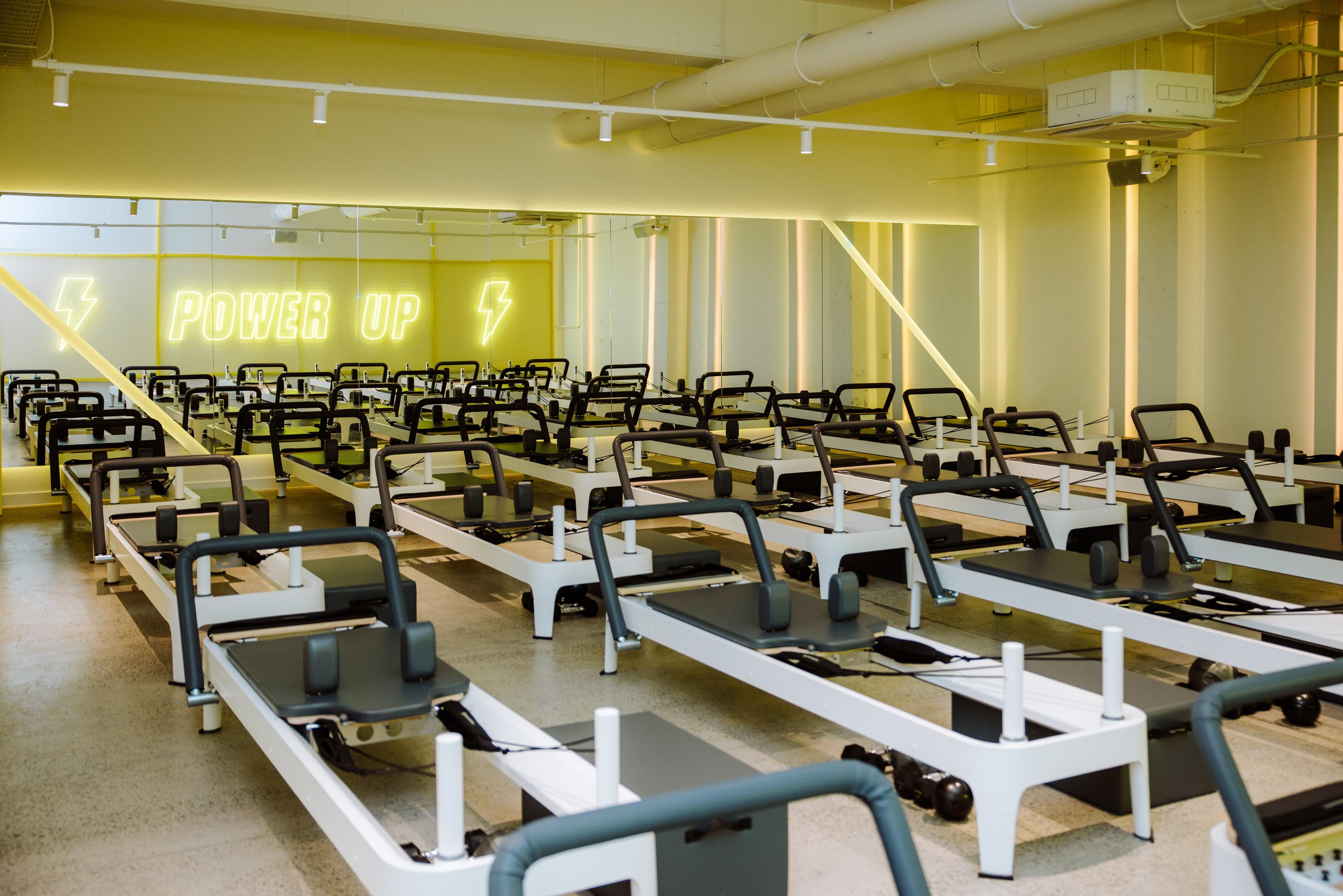
Whether you’re looking to build strength, improve your mobility, boost your confidence or simply find a workout you’ll actually enjoy, our welcoming community and experienced instructors are here to support you every step of the way.
With our 30 Day Intro Offer for just $59, you’ll enjoy unlimited classes across all Upstate Studios, giving you the freedom to explore different class styles, discover your favourite instructors and try pilates programs that work for you.
Browse our studio locations to find your nearest Upstate, check out the timetable to book a class that suits your schedule, and get ready to experience why thousands of members choose to move with us every week.
We can’t wait to welcome you into the studio. 💛
FAQs
Is Pilates good for complete beginners?
Absolutely. Pilates is one of the most beginner-friendly forms of exercise because every movement can be modified to suit your fitness level. Whether you’re new to exercise, returning after a break or looking for a low-impact workout, Pilates helps build strength, improve mobility and increase body awareness at your own pace. At Upstate, our instructors guide you through every class and provide modifications whenever you need them.
Should I start with mat Pilates or reformer Pilates as a beginner?
Both are great options, but they offer different experiences. Mat Pilates uses your body weight to build strength and stability, while Reformer Pilates uses a spring-loaded machine that provides both resistance and support. If you’re interested in trying the reformer, our Power Reformer Form class is specifically designed for beginners, with extra time spent learning the machine, technique and movement patterns.
How often should a beginner do Pilates?
For most beginners, 2 to 3 classes per week is the ideal starting point. This gives your body time to recover while building strength, improving technique and creating a routine you can stick to. Consistency is more important than intensity, so regular weekly classes will deliver better long-term results than trying to do too much too soon.
Do I need to be flexible to do Pilates?
Not at all. In fact, many people start Pilates because they want to become more flexible, and it’s a low-impact form of exercise that feels approachable for beginners. Pilates helps improve mobility, posture and range of motion over time, and regular practice can also support better posture, so you don’t need to be able to touch your toes before your first class. Just come as you are, and your flexibility will naturally improve with consistent practice.
What should I wear to my first Pilates class?
Wear comfortable activewear that allows you to move freely, and if you’re doing Mat Pilates at home, a thicker mat can make floor work more comfortable. For Reformer Pilates, grip socks are recommended to help with stability and hygiene. Don’t forget to bring a water bottle and arrive around 10 minutes early so your instructor can help you get settled before class begins. Some beginners also watch online videos to know what to expect before class, while still following instructor guidance.
How is Pilates different from yoga?
While both Pilates and yoga focus on mindful movement, they have different goals. Pilates places a greater emphasis on building core strength, improving posture, stability and controlled movement through precise exercises. Yoga often focuses more on flexibility, balance, meditation and holding poses. Many people enjoy both, as they complement each other well, but if your goal is to build functional strength and improve everyday movement, Pilates is an excellent place to start.