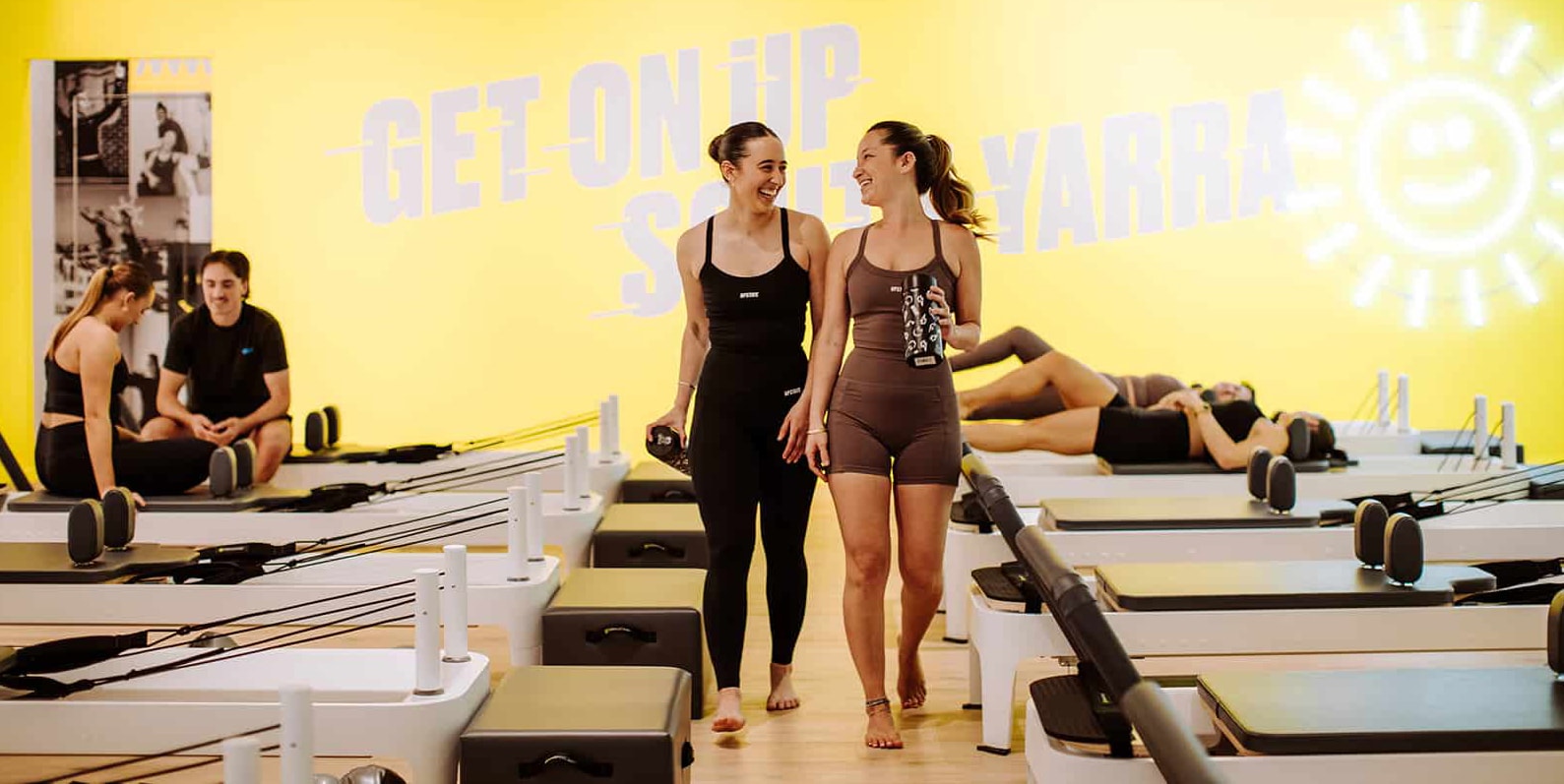

Why Athletes Are Adding Pilates to Their Routine
Whether you’re a runner, footballer, swimmer, gym-goer or weekend warrior, Pilates has become a go-to training method for athletes looking to improve performance, prevent injury and recover smarter. Once considered just a low-impact workout, Pilates is now recognised as one of the most effective forms of cross-training for athletes at every level.
Pilates Builds Functional Strength
Athletes need more than just muscle; they need strength that supports movement, balance and control. Pilates focuses heavily on deep core activation, stability and muscular endurance, helping athletes move more efficiently both in training and competition.
Unlike traditional strength training, Pilates works smaller stabilising muscles that are often overlooked. This improves body awareness, posture and overall movement patterns, helping athletes generate power while staying aligned and controlled.
Improved Mobility + Flexibility
Tight muscles and limited mobility can affect performance and increase the risk of injury. Pilates combines strength with mobility-focused movement, helping athletes improve flexibility without sacrificing stability.
For runners, this may mean increased hip mobility. For lifters, better shoulder movement. For team sport athletes, improved rotation and agility. The result? Better movement quality and a body that feels stronger and more balanced.
Injury Prevention Is Key
One of the biggest reasons athletes turn to Pilates is injury prevention. Repetitive training, heavy lifting and high-impact sport can place stress on the body over time. Pilates helps correct muscular imbalances, improve joint stability and strengthen areas prone to injury.
Many athletes use Pilates to support:
- Lower back pain
- Tight hips
- Knee instability
- Shoulder issues
- Poor posture
- Recovery from previous injuries
By strengthening the body evenly and improving alignment, Pilates can help athletes stay consistent with training and reduce downtime caused by injury.
Pilates Enhances Core Strength
Core strength is essential in almost every sport. A strong core supports balance, coordination, power and control — all things athletes rely on daily.
Pilates trains the core through controlled, intentional movements that challenge stability and engagement throughout the entire body. Rather than just targeting the abs, Pilates strengthens the deep muscles that support the spine and pelvis, creating a stronger foundation for movement.
Better Recovery + Reduced Burnout
Athletes are constantly placing demands on their bodies, making recovery just as important as training itself. Pilates offers a lower-impact workout option that still builds strength while allowing the body to recover from intense sessions.
Many athletes incorporate Pilates into their weekly routine to:
- Improve recovery
- Reduce muscle tightness
- Increase circulation
- Support mobility
- Prevent overtraining
It’s the perfect balance to high-intensity sport and strength training.
Mind-Muscle Connection
Pilates encourages athletes to slow down and focus on precision, breathing and control. This improves body awareness and the mind-muscle connection, which can translate directly into better performance during sport.
Learning how to control movement efficiently can help athletes move with more confidence, coordination and power.
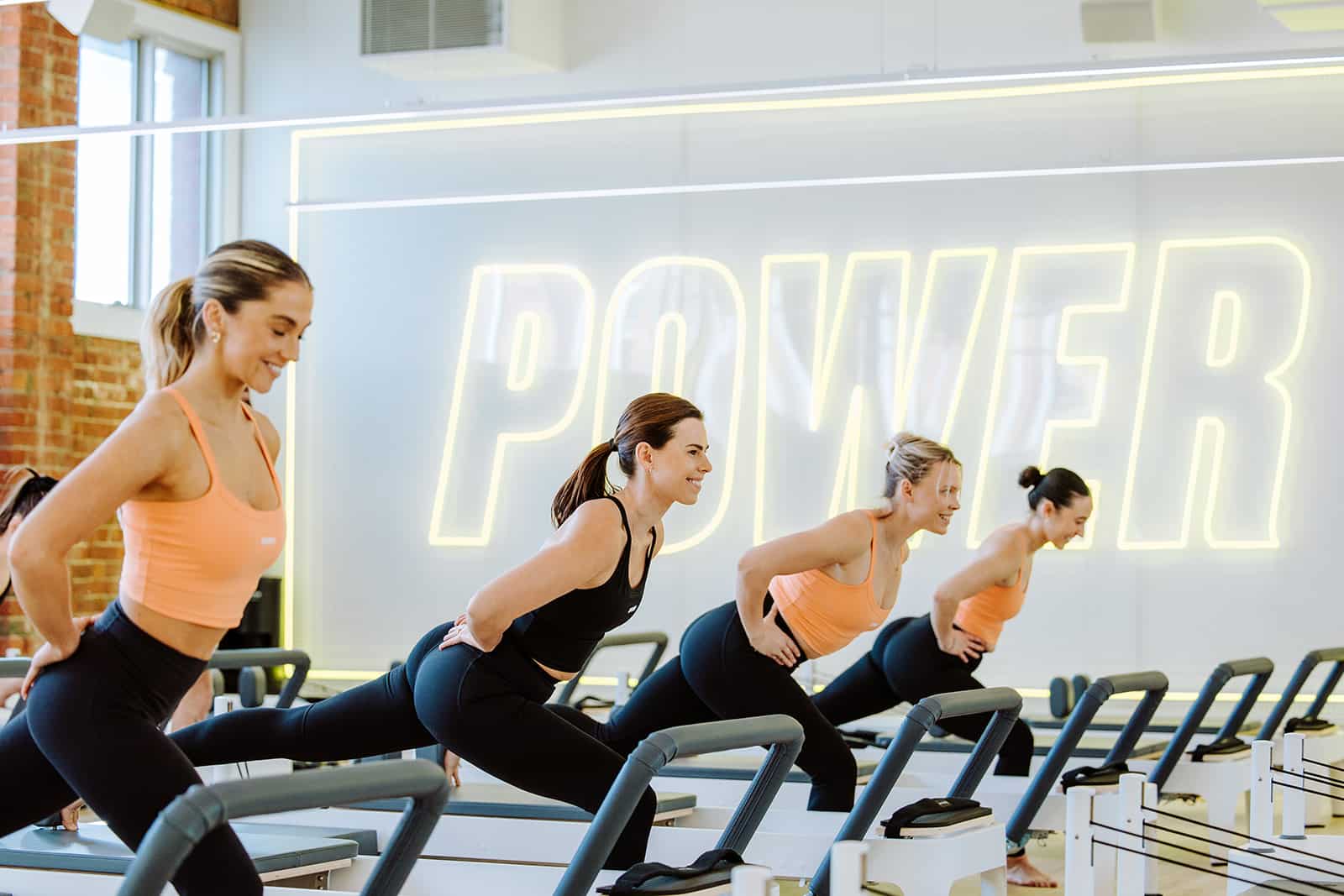
Pilates Benefits for Athletes
Pilates isn’t about replacing sport or strength training; it’s about enhancing it. From improving mobility and core strength to reducing injuries and supporting recovery, Pilates gives athletes the tools to move better, train smarter, and perform at their best. Whether you’re training competitively or simply love staying active, adding Pilates into your routine could be the missing piece your body has been looking for.
| Athletic Benefit | How Pilates Helps | Sports/Activities That Benefit |
|---|---|---|
| Core Strength | Builds deep abdominal + stabilising muscles for better control and power | Running, football, tennis, cycling |
| Injury Prevention | Improves alignment, balance and muscular imbalances | All sports |
| Flexibility + Mobility | Increases range of motion while maintaining strength | Weightlifting, dance, swimming |
| Recovery | Low-impact movement helps reduce soreness and improve circulation | Gym training, HIIT, endurance sports |
| Posture | Strengthens muscles that support spinal alignment | Cycling, desk workers, golfers |
| Balance + Coordination | Enhances body awareness and control during movement | Surfing, skiing, team sports |
| Performance | Improves efficiency, stability and movement quality | Competitive athletes and everyday movers |
| Mental Focus | Encourages concentration, breathing and mind-muscle connection | High-performance sport and training |
Athletes Goals
| Goal | Pilates Benefit |
|---|---|
| Train harder | Improves movement efficiency and muscular endurance |
| Recover faster | Supports mobility and reduces muscle tightness |
| Stay injury free | Strengthens stabilising muscles and improves alignment |
| Improve performance | Enhances balance, coordination and control |
| Build longevity | Creates a stronger, more balanced body over time |