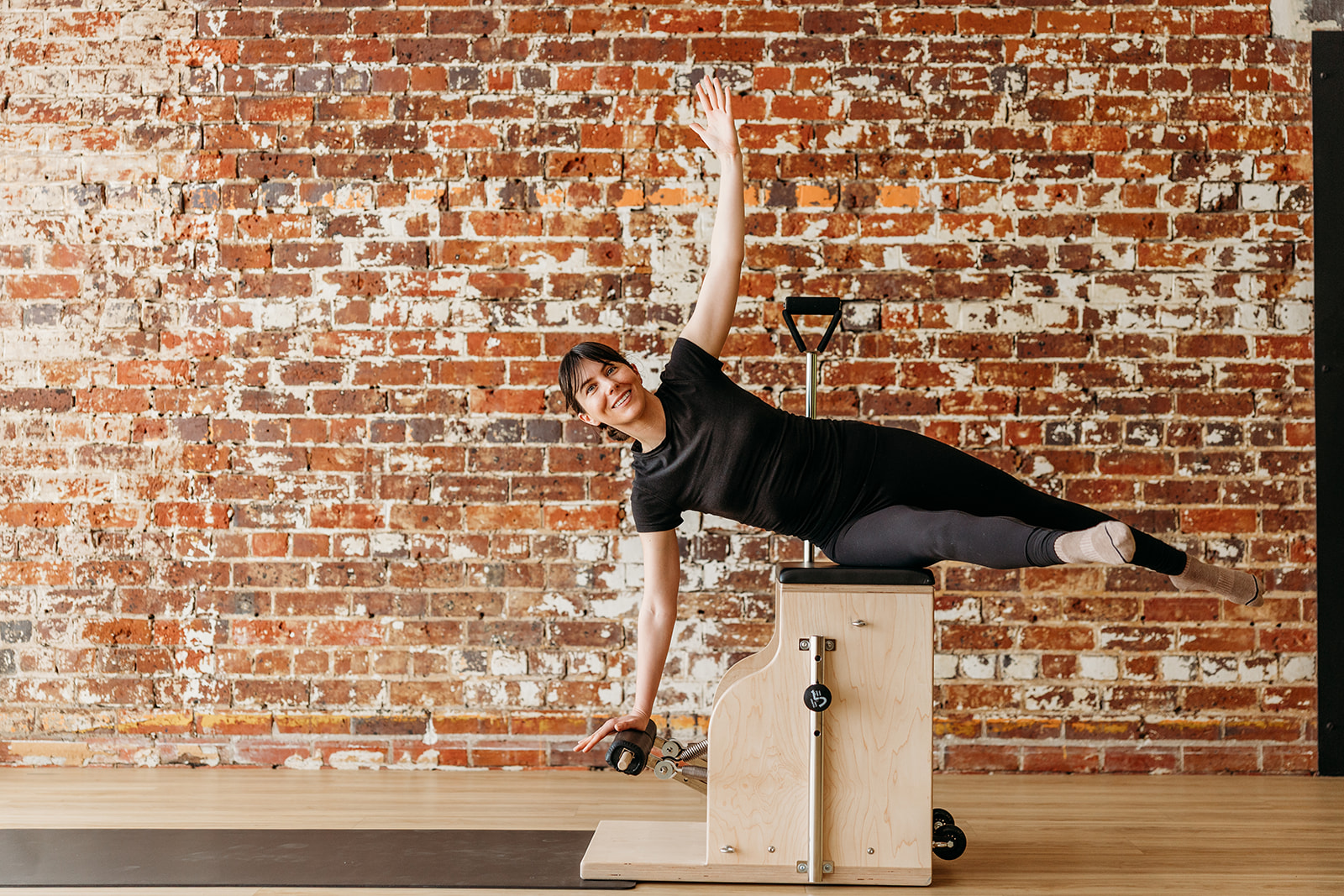
Pregnancy is a time of incredible change, and staying active can be a great way to support your body, your wellbeing and your confidence throughout the journey. Pilates during pregnancy is generally safe for most healthy people when it’s appropriately modified and cleared by your doctor or midwife, but as your body changes, so does the way you move.
If you love Pilates or are thinking about trying it for the first time during pregnancy — you might be wondering: Can you do Pilates while pregnant? Is Reformer Pilates safe? What about Hot Pilates? And when should you modify your practice?
This guide is for pregnant people who want to keep doing Pilates or start safely, with clear advice on trimester-specific modifications, which exercises to avoid, whether Reformer Pilates is suitable, why Hot Pilates is not recommended, when to stop, the benefits you can expect, and how to return to Pilates after birth. The good news is that, for most healthy pregnancies, Pilates can be a suitable form of exercise when adapted to your stage of pregnancy and individual needs. Here’s what to know before stepping onto the mat or reformer.
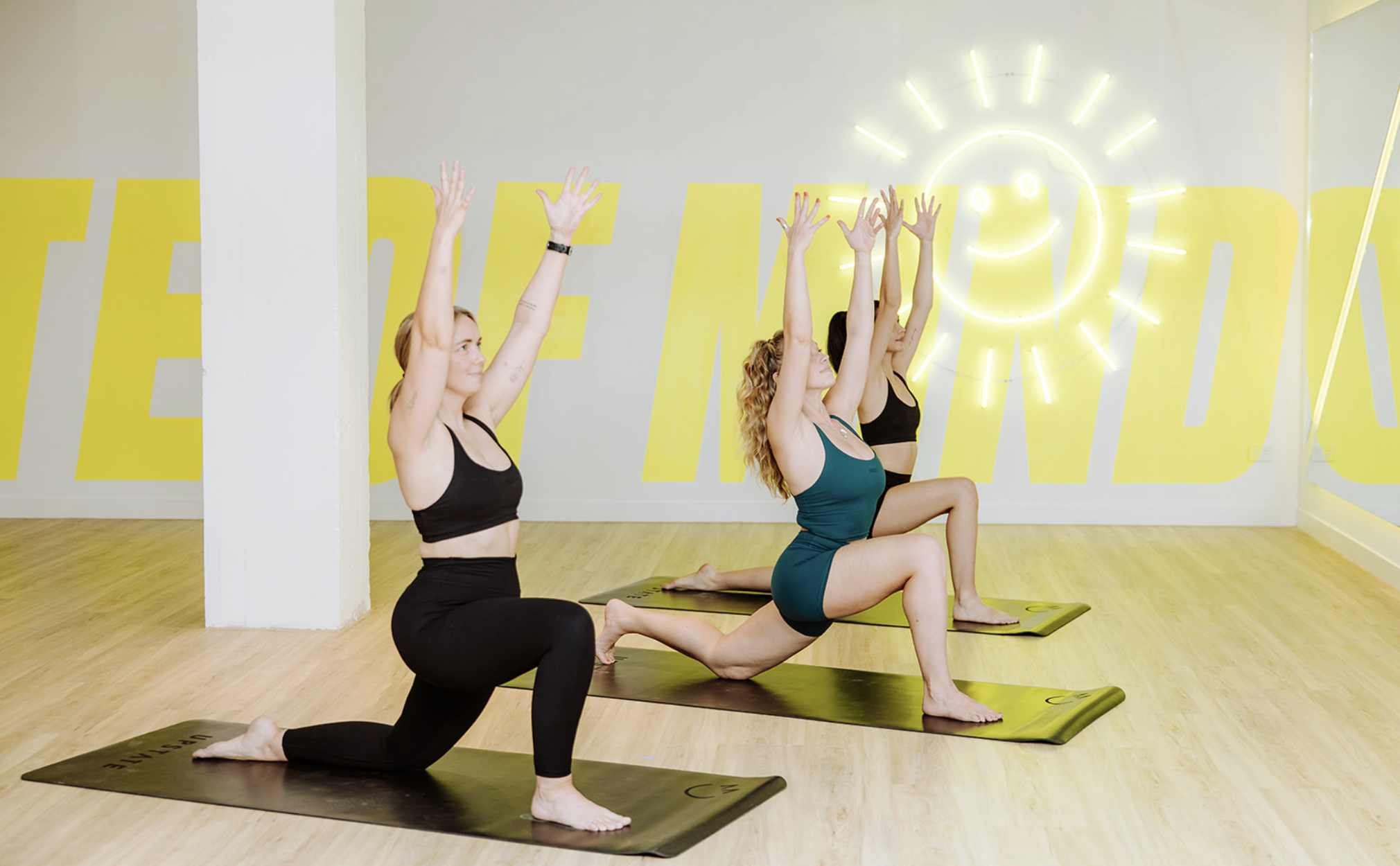
Is Pilates Safe During Pregnancy?
Yes, Pilates is generally considered safe during pregnancy for most healthy individuals, provided it is appropriately modified and your healthcare provider has not advised against exercise.
Pilates is a low-impact form of movement that focuses on strength, stability, posture, breathing and body awareness. It can be adapted throughout pregnancy as your body changes, making it a popular option for those wanting to maintain movement without high-impact exercise.
However, every pregnancy is different. Always speak with your GP or midwife before starting or continuing an exercise program during pregnancy, particularly if you have pregnancy complications, a history of miscarriage, are carrying multiples, or have been given specific exercise restrictions.
If you already practise Pilates, you can generally continue with suitable modifications from the first trimester. If you’re new to Pilates, you can still begin during pregnancy in many cases — just let your instructor know before class so they can help you get started safely.
New to movement? Read more about why Pilates is a great place to start.
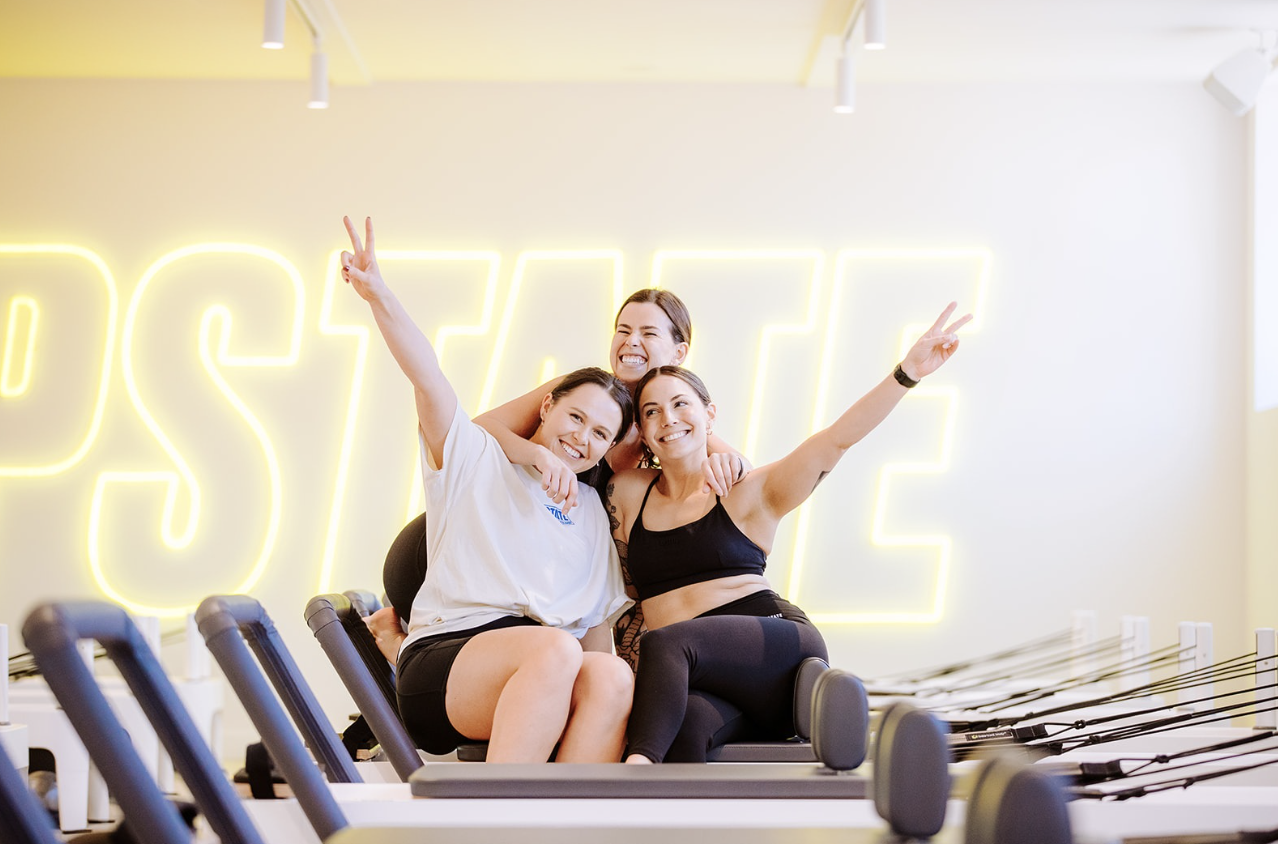
Can You Do Reformer Pilates While Pregnant?
Yes, Reformer Pilates can be suitable during pregnancy with the right modifications.
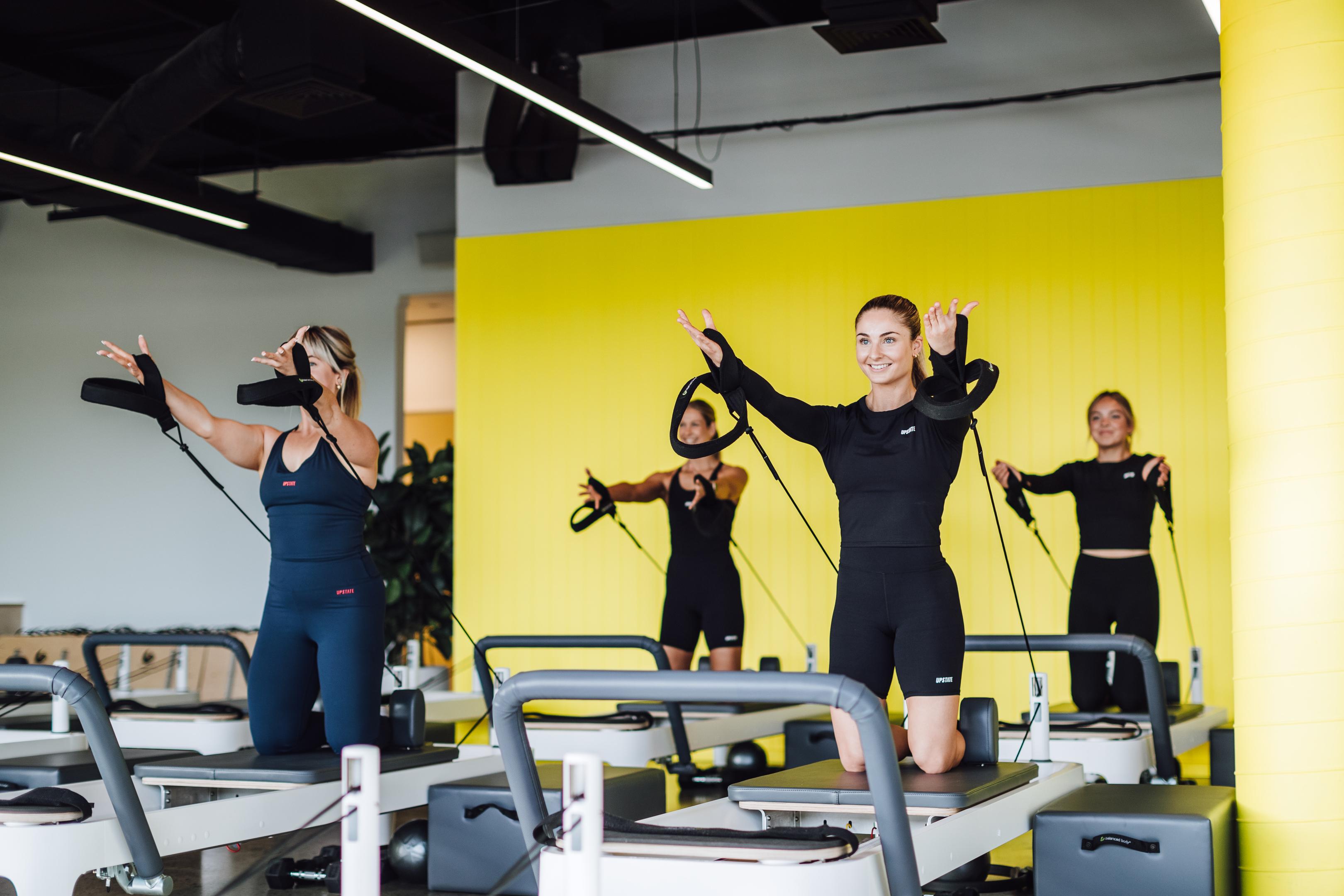
The reformer offers spring assistance and support, which can make certain movements more accessible as your body changes. The carriage can also help reduce load on the joints and provide options that may be more comfortable than mat pilates.
As pregnancy progresses, your instructor may modify exercises by:
- Avoiding prolonged periods lying flat on your back, particularly after approximately 16–20 weeks, as this position can affect blood flow and may leave you feeling dizzy, so alternatives are used.
- Reducing deep twisting through the torso.
- Adjusting resistance and avoiding movements that create discomfort or excessive pressure through the abdomen.
- Modifying exercises if abdominal doming — a visible peak or bulge along the midline — occurs.
- Offering additional support as balance and stability change.
- Keeping you comfortable and avoiding overheating.
Reformer footwork, side-lying exercises, seated movements and supported standing work may be incorporated with appropriate adjustments to accommodate a growing belly.
Always tell your instructor that you’re pregnant before class, every time. This allows them to offer alternatives in real time and tailor the session to your stage of pregnancy.
Explore Reformer Pilates at Upstate or learn more about what Reformer Pilates is.
Can You Do Hot Pilates While Pregnant?
Hot Pilates is not recommended during pregnancy.
Hot Pilates takes place in a heated environment, and pregnancy increases the importance of avoiding overheating. Elevated core body temperature, particularly during early pregnancy, can carry risks, so heated exercise is best avoided.
While infrared heating differs from other forms of heat, exercising in a heated room can still raise body temperature. For this reason, pregnant members should choose non-heated mat classes, Reformer Pilates or other suitable movement options instead.
If you currently attend Hot Pilates, speak with your healthcare provider about suitable alternatives during pregnancy. You can return to heated exercise after giving birth once you’ve been cleared by your healthcare provider.
You can learn more about Hot Pilates at Upstate and what to expect in a Hot Pilates class.
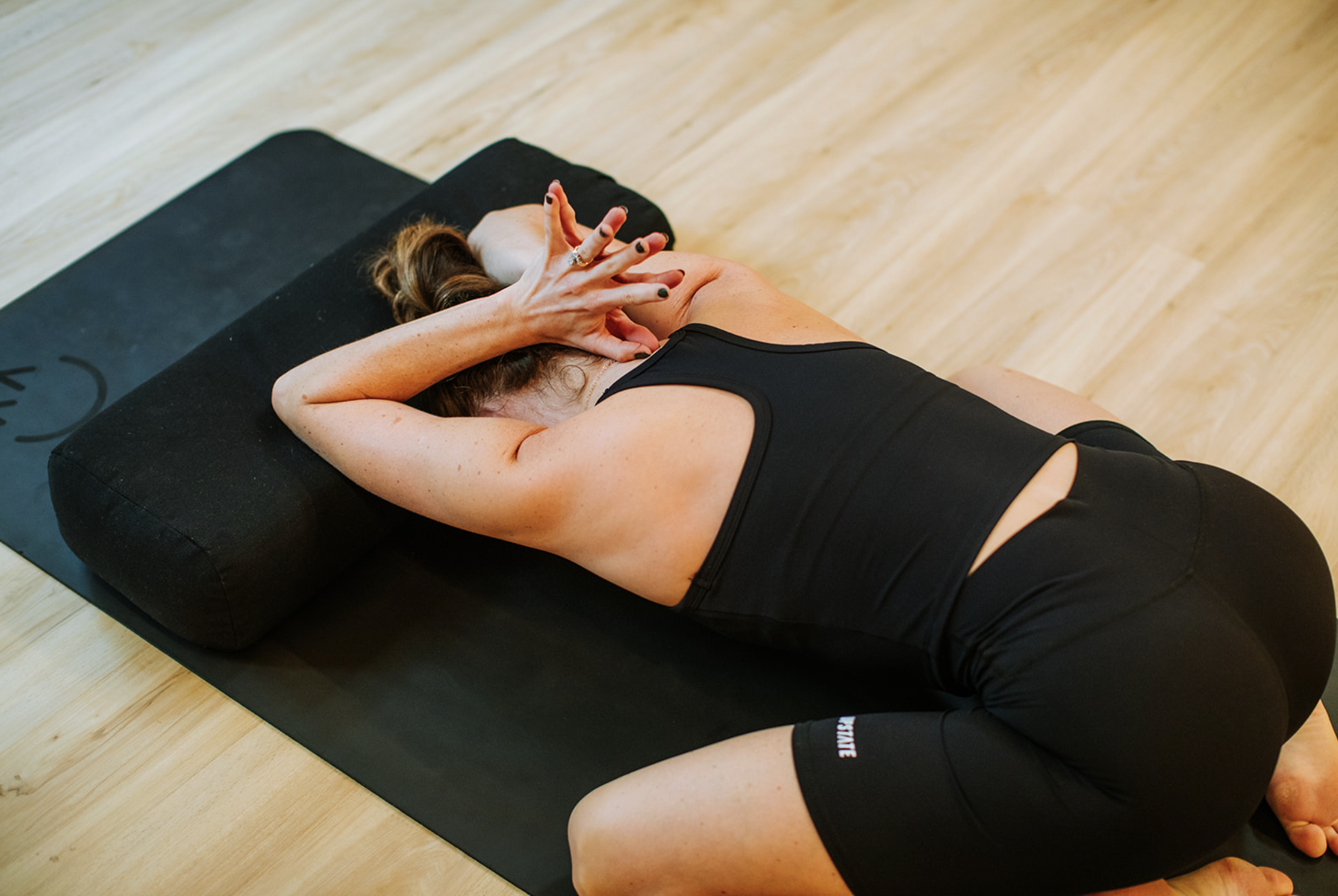
Benefits of Pilates During Pregnancy
Pilates can offer many benefits during pregnancy when practised appropriately.
Pelvic Floor Strength
Pilates can help you build awareness and strength through the pelvic floor. The pelvic floor muscles support the bladder, bowel and reproductive organs, and maintaining their function can be valuable during pregnancy and after birth. Deep breathing exercises can also help activate the pelvic floor muscles and support core strength.
Support for Lower Back Comfort
As your body grows and your centre of gravity changes, your lower back may experience additional strain. Pilates focuses on controlled movement, stability and postural awareness, which may help support comfort and movement throughout pregnancy, and strengthening support muscles may also help some people manage joint pain.
Improved Posture and Body Awareness
Pregnancy brings significant changes to a woman’s body, affecting the way you stand, walk and distribute your weight. Pilates encourages you to connect with your alignment, balance and movement patterns, helping you adapt to these changes with greater awareness. Maintaining core strength can provide a strong foundation for balance and support as your body changes.
Stress Relief and Mental Wellbeing
Movement can also be a valuable way to support your mental wellbeing. Pilates combines breath, concentration and controlled movement, offering a chance to slow down, reconnect with your body and make time for yourself.
Breathing deeply during Pilates can also help you relax.
How Your Pilates Practice Changes Throughout Pregnancy
Your Pilates practice may look a little different from trimester to trimester. The goal isn’t to push through every movement, it’s to adapt to your changing body and make adjustments as needed.
First Trimester: Weeks 1–12
If you already practise Pilates, you can often continue with relatively few changes during the first trimester, provided you feel comfortable and your healthcare provider has no concerns.
During this stage:
- Listen to your body, particularly if you’re experiencing fatigue or nausea.
- Avoid movements that cause abdominal discomfort or pressure.
- Focus on controlled movement and core strengthening through the deep core muscles, including the transverse abdominis, rather than intense abdominal loading.
- Avoid heated exercise environments.
- Tell a qualified instructor you’re pregnant from the beginning so they can support you.
If you’re new to Pilates, this can be a suitable time to start, provided you’ve received appropriate medical guidance; prenatal pilates guidance can help ensure safety if your instructor can modify the class for you.
Second Trimester: Weeks 13–27
As your belly grows, modifications become more important. Many pregnant people continue to enjoy Pilates during this trimester, but exercises may need to be adjusted for comfort, balance and support.
You may need to:
- Avoid lying flat on your back for prolonged periods after approximately 16–20 weeks. Supine work should generally be limited to a few minutes during the second trimester, and an incline or alternative position may be more comfortable.
- Avoid deep twists.
- Modify exercises if you notice abdominal doming, and avoid intense abdominal crunches and excessive forward flexion to reduce too much strain on the abdominal muscles.
- Use additional support as your balance changes.
- Adjust resistance and range of motion to suit your body.
Your instructor can help you find alternatives that allow you to keep moving comfortably.
Third Trimester: Weeks 28–40
During the third trimester, the focus often shifts towards comfort, mobility, breathing and maintaining strength in a way that feels manageable, and gentle exercises often help many women stay active without adding too much strain.
Side-lying, seated and supported standing exercises may become more comfortable. Gentle pelvic floor work, breathing exercises, mobility and hip circles on the ball can also be useful additions to your practice to help ease tension during pregnancy.
Some people continue exercising comfortably well into the third trimester, while others need to reduce intensity or frequency earlier. There is no universal stopping point — your body, your pregnancy and your healthcare provider’s guidance should lead the way.
Pilates Exercises to Avoid During Pregnancy
As your pregnancy progresses, you may need to avoid exercises or modify them. Your instructor can help you find suitable alternatives. These may include:
| Movement or situation | Why it may need modifying | Try instead |
|---|---|---|
| Prolonged lying flat on your back | May become uncomfortable or place pressure on major blood vessels as pregnancy progresses, which can reduce blood flow and mean less oxygen for you and your baby. | Inclined, seated or side-lying positions. |
| Movements that cause abdominal doming | May indicate that the exercise is placing too much pressure through the abdominal wall. | Reduce the intensity, change the position or choose a more supported variation. |
| Deep spinal flexion or forward flexion | Some exercises, such as full roll-ups or double-leg stretches, may become uncomfortable or place excess pressure through the midsection. | Smaller ranges of movement, supported core work or side-lying exercises. |
| Breath-holding or heavy bearing down | Can increase pressure through the abdominal and pelvic floor areas. | Focus on steady breathing and controlled movement. |
| Deep backbends | May become uncomfortable as the abdomen grows and posture changes. | Gentle mobility and supported movement. |
| Unsupported balance work | Balance may become less reliable as your centre of gravity changes. | Use a stable support or choose a seated or grounded variation. |
| Heated exercise environments | Overheating can carry risks during pregnancy. | Non-heated mat, Reformer or other suitable classes. |
If a movement causes pain, pressure, dizziness or discomfort, stop immediately and speak with your instructor or healthcare provider.
Prone positions may also become uncomfortable later in pregnancy and can be swapped for seated or side-lying options.
Do You Need to Tell Your Pilates Instructor You’re Pregnant?
Yes, always let your instructor know before class.
This isn’t about being singled out or being told you can’t participate. It’s about making sure your instructor can support you properly, and pregnant women should ideally work with a certified instructor who specializes in pre- and postnatal fitness.
Knowing you’re pregnant allows your instructor to:
- Offer suitable modifications for your stage of pregnancy.
- Suggest alternatives to exercises that may no longer be comfortable.
- Help you avoid prolonged flat-on-back positions where appropriate.
- Watch for signs that a movement needs to be adjusted.
- Ensure you’re attending a suitable, non-heated class.
- Tailor safer modifications if they have pre- and postnatal experience.
At Upstate, our instructors support a range of fitness levels and individual needs. Sharing this information helps them work with you so you can move with confidence.
If you’re new to Upstate, find out more about getting started.
When Should You Stop Doing Pilates During Pregnancy?
There is no single week when many women need to stop Pilates. Many people continue with appropriate modifications throughout their pregnancy, while others may need to reduce or stop earlier.
Stop exercising and seek medical advice if you experience symptoms such as the following, which can reduce the risk of pushing through warning signs:
- Vaginal bleeding.
- Abdominal pain or cramping.
- If you feel dizzy, stop exercising and seek medical advice.
- Sudden swelling.
- Decreased foetal movement.
- Signs of preterm labour.
Do not resume exercise until you’ve received appropriate medical guidance. If your healthcare provider has advised you to avoid exercise, follow their recommendations.
Otherwise, Pilates can often remain part of your routine for as long as it feels comfortable and is appropriate for your individual pregnancy.
Returning to Pilates After Giving Birth
Your Pilates journey doesn’t have to end when your baby arrives — but returning to exercise should be gradual and guided by your recovery, especially as your body adjusts to the physical demands of recovery after birth.
Gentle breathing and pelvic floor exercises may be introduced early after birth with appropriate guidance, and this kind of breathing work may also help reconnect the deep abdominal muscles after pregnancy. Returning to more demanding Pilates, particularly exercises involving greater abdominal loading, should happen progressively and after you’ve received clearance from your GP or women’s health physiotherapist.
Recovery timelines vary depending on your birth, your body and any complications. Some people may return to modified movement around 6–12 weeks after a vaginal birth, while recovery after a caesarean may take longer.
There is no need to rush. Give your body time, seek professional guidance and return to movement when you’re ready.
Try Pilates at Upstate During Your Pregnancy
If you’re looking to keep moving during pregnancy, our non-heated mat and Reformer classes may be suitable options, and prenatal Pilates can be one appropriate choice, subject to your healthcare provider’s advice and appropriate modifications.
Remember to let your instructor know you’re pregnant before class so they can help you find movements that feel comfortable and supportive. With your healthcare provider’s approval, aiming for 2 to 3 sessions per week may help maintain fitness as part of a regular workout routine.
Ready to get started?
Frequently Asked Questions
Is Pilates safe during pregnancy?
For most healthy pregnancies, Pilates can be a suitable form of exercise for pregnant people when appropriately modified. Always consult your GP or midwife before starting or continuing exercise.
When is the best time to start Pilates during pregnancy?
You can often start Pilates during pregnancy with appropriate guidance. Starting with a qualified instructor can help ensure safety from your first class, so let your instructor know you’re pregnant before your first class so they can recommend suitable modifications.
How many weeks pregnant should I stop Pilates?
There is no universal stopping point. Many people continue with modifications into their third trimester, while others may need to reduce or stop earlier. Follow your body’s cues and your healthcare provider’s advice.
Do I need to tell my Pilates instructor I’m pregnant?
Yes. Your instructor needs to know so they can tailor specific exercises and modifications for your stage of pregnancy and help you avoid movements or class environments that may not be suitable.
What Pilates exercises should I avoid during pregnancy?
Depending on your stage of pregnancy, you may need to avoid deep twists, prolonged flat-on-back positions, movements that cause abdominal doming, heavy bearing down, unsupported balance work, heated exercise environments, and other exercises that create too much strain as your growing baby changes what feels comfortable.
Does Pilates help with childbirth?
Pilates can support pelvic floor awareness, strength, posture, breathing and overall body conditioning. These may be useful during pregnancy and recovery, but Pilates should not be considered a guarantee of a particular birth outcome.
How soon after giving birth can I return to Pilates?
Return-to-exercise timelines vary. Gentle movement may begin early with guidance, while a return to full Pilates should be gradual and follow clearance from your healthcare provider or women’s health physiotherapist.