What Is Infrared Pilates?
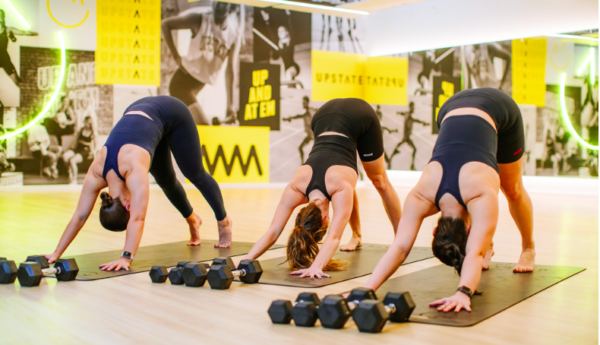
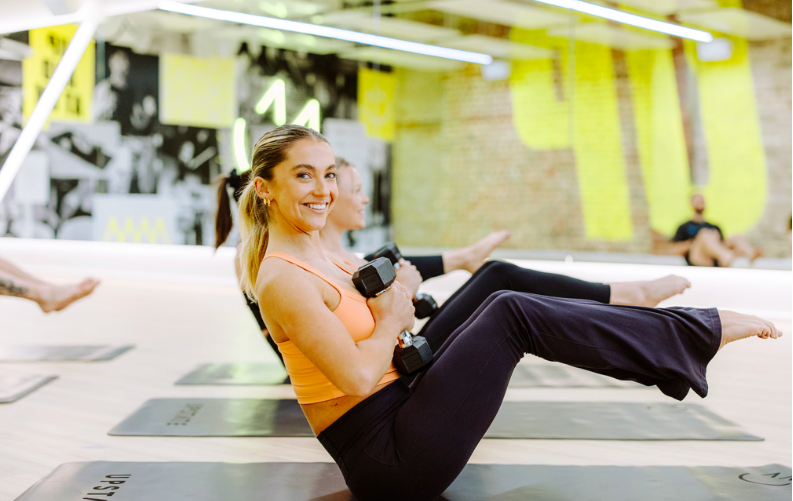
Infrared Pilates is our signature take on reformer and mat Pilates, practiced in a studio gently warmed with infrared heat. Infrared Pilates sessions are typically performed on a mat to protect reformer equipment from heat damage. Instead of blasting hot air, the warmth feels soft and radiant, heating you from the inside out while you move with control and intention. Upstate’s pilates classes are held in studios equipped with state-of-the-art infrared heating panels, where the heated floor adds to the comfort and unique experience.
Expect slow, strength-led sequences that challenge you without rushing you. Infrared Pilates is a low-impact workout suitable for all fitness levels but can be made more challenging for those seeking intensity. Classes often combine elements of strength, flexibility, and mindfulness for a comprehensive workout. The essential role of infrared heat helps your muscles switch on, lengthen, and release, so you can go deeper into each movement while still feeling supported. At Upstate, we keep it intentional, offering everything from slower, technique-focused flows that emphasize proper form to stronger, sweatier sessions when you want to turn it up.
What Is Hot Yoga with Infrared Heat?
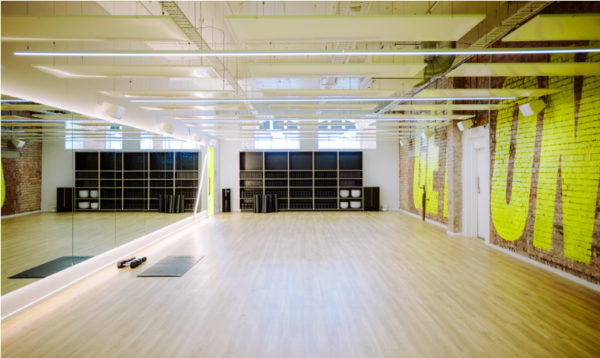
An infrared hot yoga class is a modern take on traditional heated yoga, where flow or yin-style classes are practised in a studio warmed by gentle infrared panels rather than blown, humid air. Unlike traditional hot yoga classes such as Bikram, which are often held in rooms with high humidity, infrared studios maintain a drier environment. This dry heat allows sweat to evaporate more easily, helping your body cool itself efficiently and making the experience feel less stuffy.
The radiant and even heat creates a consistent warmth that supports your movement without overwhelming the room. The heated environment helps boost flexibility, allowing you to move, stretch, and settle into each pose with more ease as your body gradually opens up. Sweating during class primarily helps cool your body, rather than detoxify it. Many people find infrared hot yoga a more pleasant experience than traditional hot yoga, which can feel sticky and oppressive.
At Upstate, our infrared yoga offering includes dynamic vinyasa flows, slower strength-based sequences, and deeply restorative yin sessions.
How Infrared Heat Works
Infrared vs Traditional Hot Rooms
- Infrared heat works differently to conventional heated studios. Instead of pumping hot air into the room, infrared panels warm your body directly, more like stepping into soft, natural sunlight than being surrounded by artificial heat.
- The result is a radiant, sun-like warmth that feels easier to settle into, rather than the stuffy, heavy sensation you can get in traditional hot rooms. In traditional hot yoga, there is a risk of overheating, dehydration, or discomfort if you push too hard, so it’s important not to pass your physical limits during heated classes. With infrared pilates, you still build heat and sweat, but it feels more breathable, more balanced, and easier to move in.
What Infrared Heat Does in Your Body
- Gently raises muscle temperature, helping your body feel warm and ready to move from the start
- Supports blood flow and oxygen delivery, so muscles can work more efficiently
- Elevates heart rate and effort without needing extreme room temperatures
- Internal temperature regulation during infrared Pilates increases heart rate and metabolic activity, providing a cardiovascular challenge similar to moderate exercise for each person
- Practicing in infrared heat generally results in increased caloric burn and a metabolism boost, though each person may experience these effects differently
Across both Pilates and yoga, this means your body is better prepared for each movement, helping you move with more control, flow more smoothly, and build a strong, sustainable sweat without feeling overwhelmed.
Why We Use Infrared Heating at Upstate
Deeper Warmth, Less Stuffy Heat
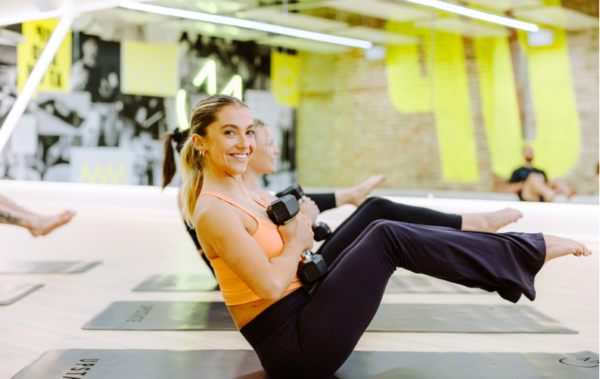
Infrared heat creates a deeper, more even warmth by heating your body directly rather than just the air around you. That means you feel warm from within, without the thick, heavy atmosphere that can make traditional hot rooms feel overwhelming.
Additionally, the infrared heat warms the floor, creating a comfortable, dry, and heat-retentive environment that enhances the overall studio experience.
The result is a space that feels comfortable, breathable and easy to move in so you can focus on your practice instead of managing the heat.
Flexibility, Joint Comfort and Recovery
The gentle warmth helps muscles soften and lengthen more easily, making it simpler to move deeper into stretches and strength work. Practicing Pilates in infrared heat can also improve circulation and aid recovery, while helping to strengthen muscles and joints. Over time, this can support improved flexibility, think reaching your toes with less resistance and a greater sense of ease in your joints.
It also plays a role in recovery. Whether you’re flowing through yoga or working through controlled Pilates sequences, the increased circulation can help reduce post-class stiffness, so you’re less likely to wake up sore the next day.
Focus, Stamina and “Feel-Good” Sweat
Infrared heat supports a steady, sustainable level of effort, helping you build stamina without feeling pushed to your limit. Because the environment is more breathable, it’s easier to stay present, focused, and practice mindfulness with each movement. Infrared heat also helps regulate the nervous system, shifting your body from a fight-or-flight state to rest-and-restore, which aids in stress reduction and enhances mental clarity.
You’ll still get that satisfying, full-body sweat but without the drained, heavy feeling that can come from overheated rooms. Instead, you leave class feeling light, clear, and calm.
Benefits of Infrared Pilates
Stronger Core and Full-Body Strength
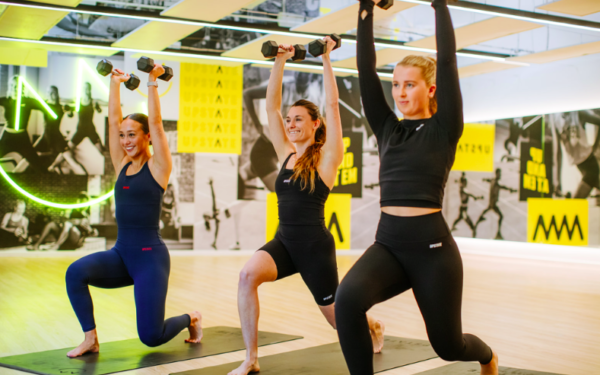
Infrared-heated reformer and mat sequences are designed to light up your entire body, especially the deep stabilising muscles that support posture and control. With the added warmth, your muscles are more responsive, helping you engage your core more effectively and hold each position with greater precision.
That means you get more out of every rep, pulse and hold building strength that feels balanced, supported and deeply connected.
Mobility and Alignment You Can Feel
The combination of controlled movement and gentle heat helps improve your range of motion while reinforcing proper alignment around your joints. You’re not just stretching you’re building strength and awareness through that range, so it actually lasts beyond the class.
You’ll notice it in everyday moments, like:
- Desk workers feeling less tight through hips and shoulders after long hours sitting
- Parents easing tension in the lower back from carrying and lifting
- Runners or gym-goers moving more freely with better joint support
- Anyone who wakes up stiff starting to feel looser and more mobile day to day
Low-Impact, High-Sweat Conditioning
Infrared Pilates delivers a surprisingly effective cardio response without relying on high-impact movement. The heat naturally elevates your heart rate, while continuous, controlled sequences keep your body working steadily.
You’ll build a consistent, full-body sweat and conditioning effect without putting extra stress on your joints making it a strong, sustainable way to improve fitness while still feeling good in your body.
Benefits of Infrared Hot Yoga
Deeper Stretches and Muscle Relaxation
Infrared heat gently warms the body from within, helping muscles relax so you can move into stretches with less resistance. Practicing in infrared heat can lead to increased flexibility by enhancing muscle relaxation and joint mobility. Hips, hamstrings, and shoulders tend to open more comfortably, without that “fighting your body” feeling you might get at the start of a normal-temperature class.
It’s especially supportive if you usually feel stiff or tight early on, allowing you to ease in more smoothly and get more out of each pose.
Stress Relief and Nervous System Reset
There’s a reason it feels so grounding. The combination of breath-led movement, intentional pacing and soft radiant warmth helps shift your body out of “go mode” and into a calmer, more regulated state.
By the end of class, most people notice a clear change slower breathing, a quieter mind, and a sense of being more present. It often carries through into your evening too, with better sleep and a more settled, clear-headed feeling.
Sweat, Glow, and Detox-Supportive Movement
You’ll build a steady, satisfying sweat that feels earned, not forced. The infrared warmth supports circulation, which can leave your skin looking fresh and your body feeling re-energised. Practitioners often describe a ‘cleansed’ feeling after heated sessions, reflecting increased circulation and metabolic activation.
While some believe sweating helps the body lose toxins, it’s important to clarify that sweating primarily cools the body and does not significantly contribute to detoxification. The body’s detoxification process begins with the liver, which is the main organ responsible for removing toxins. Sweating mainly results in the loss of fluids and electrolytes, not harmful substances.
Rather than pushing extremes, this style of heat works with your body supporting its natural detox processes while you move, breathe and reset. The result is that post-class glow: warm, clear and revitalised.
Infrared Pilates vs Traditional Hot Pilates and Hot Yoga
Infrared Pilates vs Traditional Hot Pilates
| Infrared Pilates | Traditional Hot Pilates | |
|---|---|---|
| Heating method | Radiant panels warm the body directly | Heated air warms the room |
| Room feel | Warm, dry, even | Hot, often humid, and dense |
| Comfort & breath | Breathable, easier to stay in control | Can feel stuffy or harder to regulate |
| Experience | Strength-focused, controlled, sustainable sweat. Compared to past experiences at other gyms, many find infrared Pilates more motivating and enjoyable, with greater variety and comfort. | Heat-driven, more intense, sometimes fatiguing |
Infrared Yoga vs Traditional Hot Yoga
| Infrared Yoga | Traditional Hot Yoga | |
|---|---|---|
| Heating method | Radiant, sun-like warmth | High-temperature heated air |
| Room feel | Light, breathable warmth | Hot, humid, sometimes heavy |
| Comfort & breath | Supports steady breathing, even in long holds | Breath can feel shorter or strained |
| Experience | Deeper stretches, smoother flow, calmer effort | Intense sweat can feel overwhelming |
Which Style Is Right for You?
If you want breathable, joint-friendly heat with clear focus and a strong, sustainable sweat, infrared is where Upstate lives. Our supportive team is always available to help you choose the right class and ensure you get the most out of your infrared pilates experience. If you’re drawn to very intense, humid heat and that all-out sweat feeling, traditional hot classes may suit, but for most, infrared offers the same challenge with a more balanced, feel-good experience.
Who Infrared Pilates and Hot Yoga Are Best For
Infrared Pilates and hot yoga tend to suit people who want to move well, feel strong, and actually enjoy the process, not just push through it.
They’re especially great for:
- Desk workers and commuters who feel tight through hips, back and shoulders from long hours sitting
- Anyone wanting strength + mobility in one session, without needing separate workouts
- People who find traditional hot yoga too suffocating, but still want that warm, sweat-building environment
- Busy schedules when you need an effective session that also helps you switch off and reset in under an hour
Many studios offer a free trial class for new participants, making it easy to experience the benefits firsthand. Signing up for a membership often includes unlimited classes and access to a supportive fitness community, providing ongoing value and convenience.
When to Check with Your Health Professional
Infrared heat is generally well-tolerated, but it’s important to be mindful of your individual health.
You may want to check in with your doctor first if you have:
- Heart conditions
- Very low or high blood pressure
- Pregnancy
- Heat sensitivity or difficulty regulating temperature
- Certain skin or neurological conditions
It’s also always a good idea to let your instructor know before class, they can offer options, pacing guidance, and help you get the most out of the session safely.
What to Expect in Your First Infrared Class
Before You Arrive
To get the most out of your first infrared Pilates or hot yoga session:
- Hydrate beforehand make sure to drink water, but avoid heavy meals right before class
- Eat light if you need fuel, like a small snack or smoothie
- Arrive early to settle in, set up your space, and acclimate
- Wear breathable layers that you can adjust as you warm up; grip socks for Pilates if you like
- Bring essentials: water bottle, towel, and your own mat if needed
In the Room
When you step into an Upstate infrared studio, the first thing you’ll notice is the gentle, radiant warmth enveloping your body. Reformer stations or mats are spaced to give you room to move, and the environment is calm and inviting. Soft lighting, curated music, and a clean, open layout create a focused yet relaxed vibe, perfect for centering yourself before the work begins.
During and After Class
Once class starts, you’ll feel your muscles warm quickly and your body sweating more than usual, even without extreme room temperatures. Instructors guide every movement, offering options and modifications so you can work safely at your own pace.
By the end, you’ll likely feel both “worked” and surprisingly calm, a full-body effort paired with mental clarity. Don’t forget to keep hydrating afterward, and enjoy the sense of reset that comes from moving, breathing, and sweating in a supportive, infrared-heated space.
How Often Should You Do Infrared Pilates or Hot Yoga?
Finding Your Weekly Rhythm
Getting into a regular infrared Pilates or hot yoga practice is all about finding a sustainable pace:
- Beginners: 1–2 classes per week is perfect for easing in and letting your body adapt to the heat and movements.
- Regulars: 2–4 classes per week works well if you’re already active and want consistent strength, mobility, and stress relief—just space them out to allow recovery.
Balancing Infrared with the Rest of Your Training
Infrared sessions complement other training rather than replace it:
- Pair with strength workouts on alternate days for active recovery and mobility.
- Add around running or cardio to maintain endurance without overloading joints.
- Use as a recovery or low-impact day to keep moving while giving your body a gentle reset.
Listen to your energy levels—heat-based classes can be demanding, so spacing them out and prioritizing hydration and rest will help you get the benefits without overdoing it.
FAQs
Is infrared Pilates safe for beginners?
Yes, classes are designed for all levels, with modifications and guided instruction.
Is infrared yoga different from traditional hot yoga?
Yes, the heat is radiant and breathable, not humid or overwhelming.
What temperature are your infrared classes?
Studios are gently warmed, usually around 29–35°C, but feel softer than traditional hot rooms.
What should I wear to infrared Pilates or hot yoga?
Light, breathable layers; grip socks for Pilates; bring a towel and water.
Will infrared classes help with flexibility or back pain?
Yes, the gentle heat warms muscles, supporting deeper stretches and joint comfort.
Do I burn more calories in infrared classes?
You may sweat more, but calorie burn is similar to the effort of the movements themselves.
Can infrared Pilates or hot yoga support weight loss?
There is talk about weight loss being a benefit of infrared Pilates and hot yoga, mainly due to increased sweating and calorie burn. While some people report weight loss, scientific evidence is limited, and results depend on overall activity and diet.
What’s the talk around the benefits and misconceptions of infrared Pilates and hot yoga?
There is a lot of talk about the benefits of infrared Pilates and hot yoga, such as detoxification, improved flexibility, and weight loss. However, some claims are debated, and scientific research is still ongoing. It’s important to consider both personal experience and available evidence when evaluating these practices.
Can I do infrared classes if I’m pregnant?
Check with your doctor first; modifications may be possible with instructor guidance.