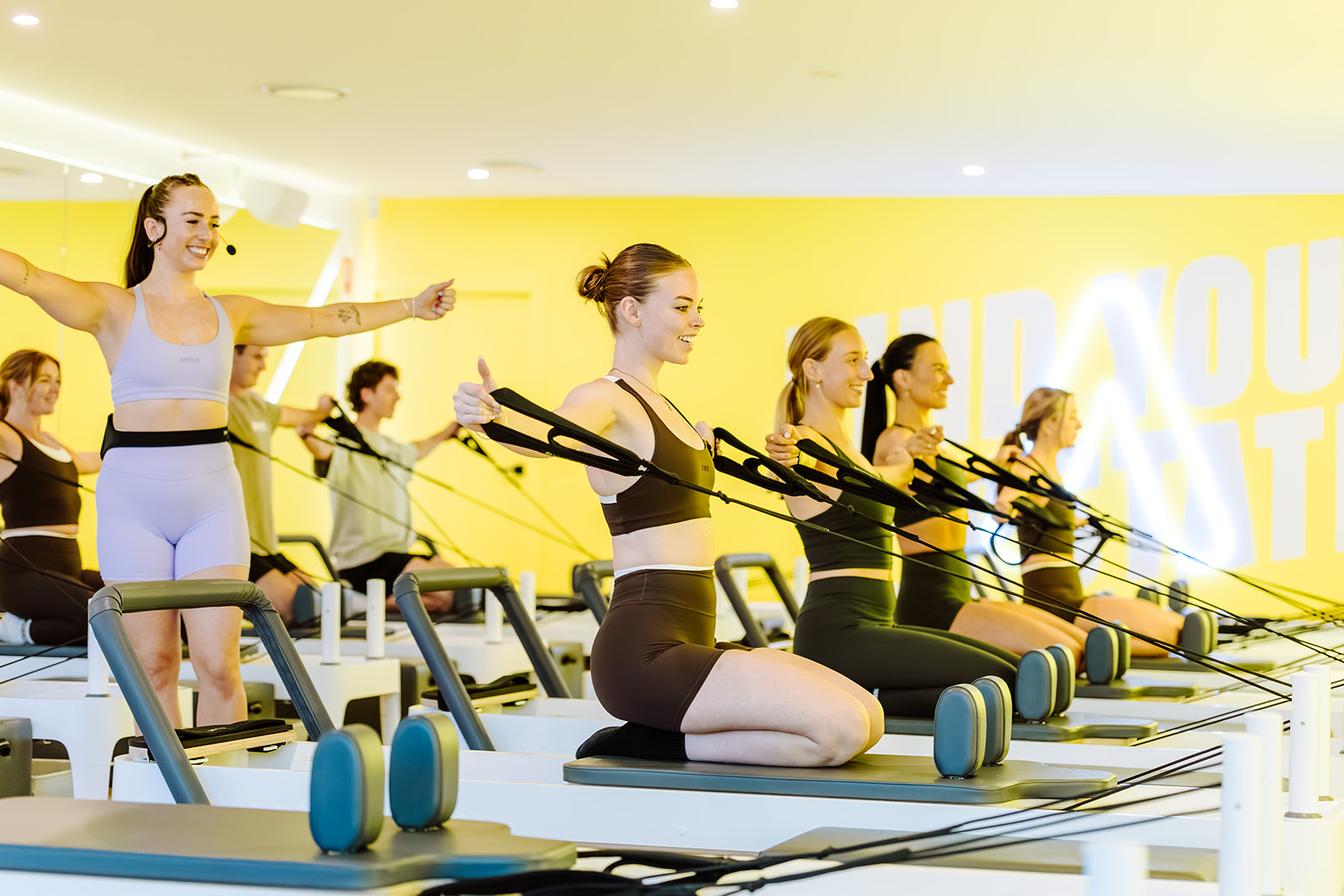
- Pilates is a low-impact, mind–body exercise method that builds strength, flexibility and control using mat work and specialised equipment.
- Key benefits include improved core strength, posture, mobility and body awareness.
- It suits a wide range of people, from beginners and office workers to athletes and those returning from injury.
- New to Pilates? Start with a beginner class or book a 30 Day Trial at Upstate Studios.
What Is Pilates?
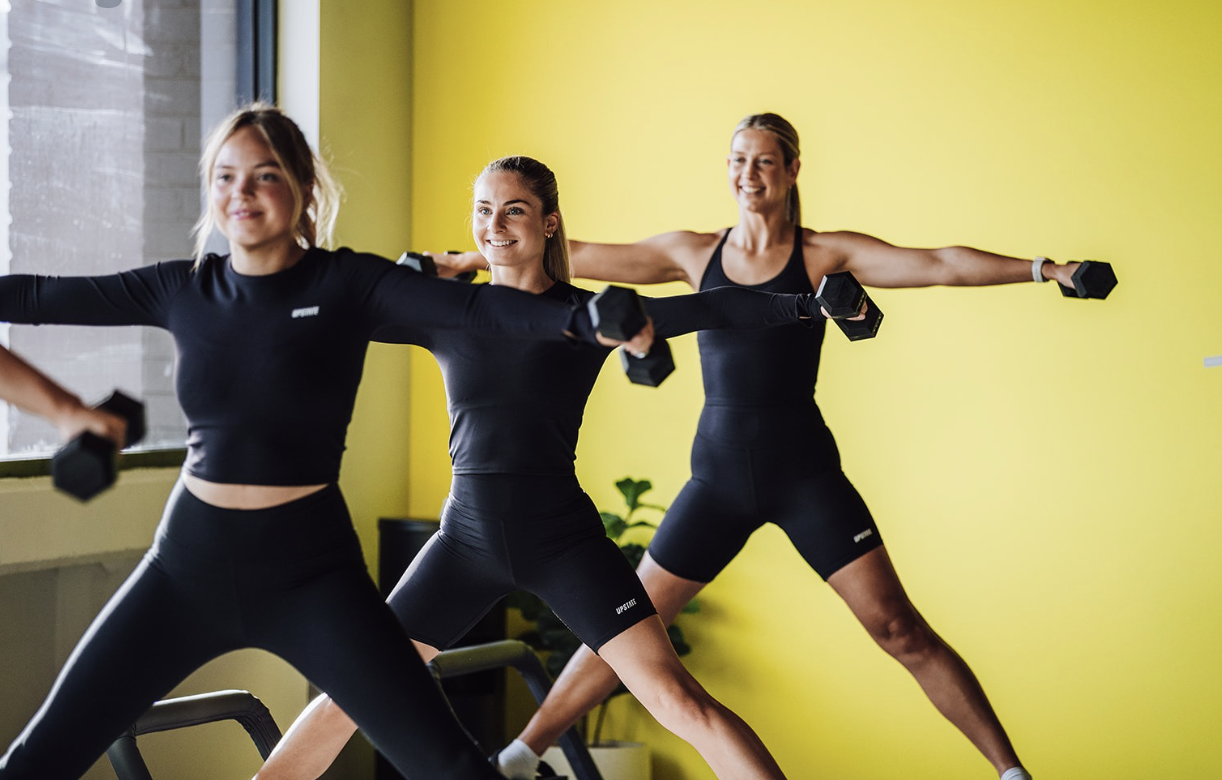
Pilates is a type of mind-body exercise developed in the early 20th century by German physical trainer Joseph Pilates. It is a low-impact form of exercise that focuses on controlled movement, breathing, and alignment. Pilates can be performed on a mat using your body weight or on specialised equipment like a reformer.
Pilates was initially embraced by professional dancers for its ability to prevent injuries and increase flexibility. As an effective body conditioning method, Pilates enhances overall physical fitness by supporting muscle strength, stability, flexibility, posture, and functional movement.
Today, Pilates is practiced by over 12 million people worldwide.
A Short History of Pilates
Pilates was created in the early 20th century by Joseph Pilates. During World War I, he refined his techniques while working with injured soldiers, even adapting hospital beds with springs—an early version of today’s reformer machines. Joseph Pilates studied martial arts, along with yoga, boxing, and gymnastics, which influenced his development of the Pilates method.
Influenced by physical culture and medical gymnastics, Pilates evolved into a structured method that spread globally through dancers, athletes and rehabilitation professionals. Today, it’s widely practised in Australian studios and physiotherapy clinics, including modern studio spaces like Upstate Studios. Pilates has also evolved to incorporate the latest exercise science research and new developments in rehabilitation and fitness training protocols.
How Pilates Works (The Principles)
Pilates is built on a set of core principles that guide every movement:
- Breath – Coordinated breathing supports movement and core activation.
- Alignment – Proper posture reduces strain and improves efficiency.
- Core (“Powerhouse”) – Focus on deep abdominal and stabilising muscles.
- Control – Movements are slow and deliberate, not rushed.
- Concentration – Mental focus enhances technique and results.
- Precision – Quality of movement matters more than quantity.
- Flow – Exercises are performed smoothly and continuously.
Together, these principles help improve posture, movement efficiency and overall body awareness in daily life.
Types of Pilates (Mat, Reformer and More)
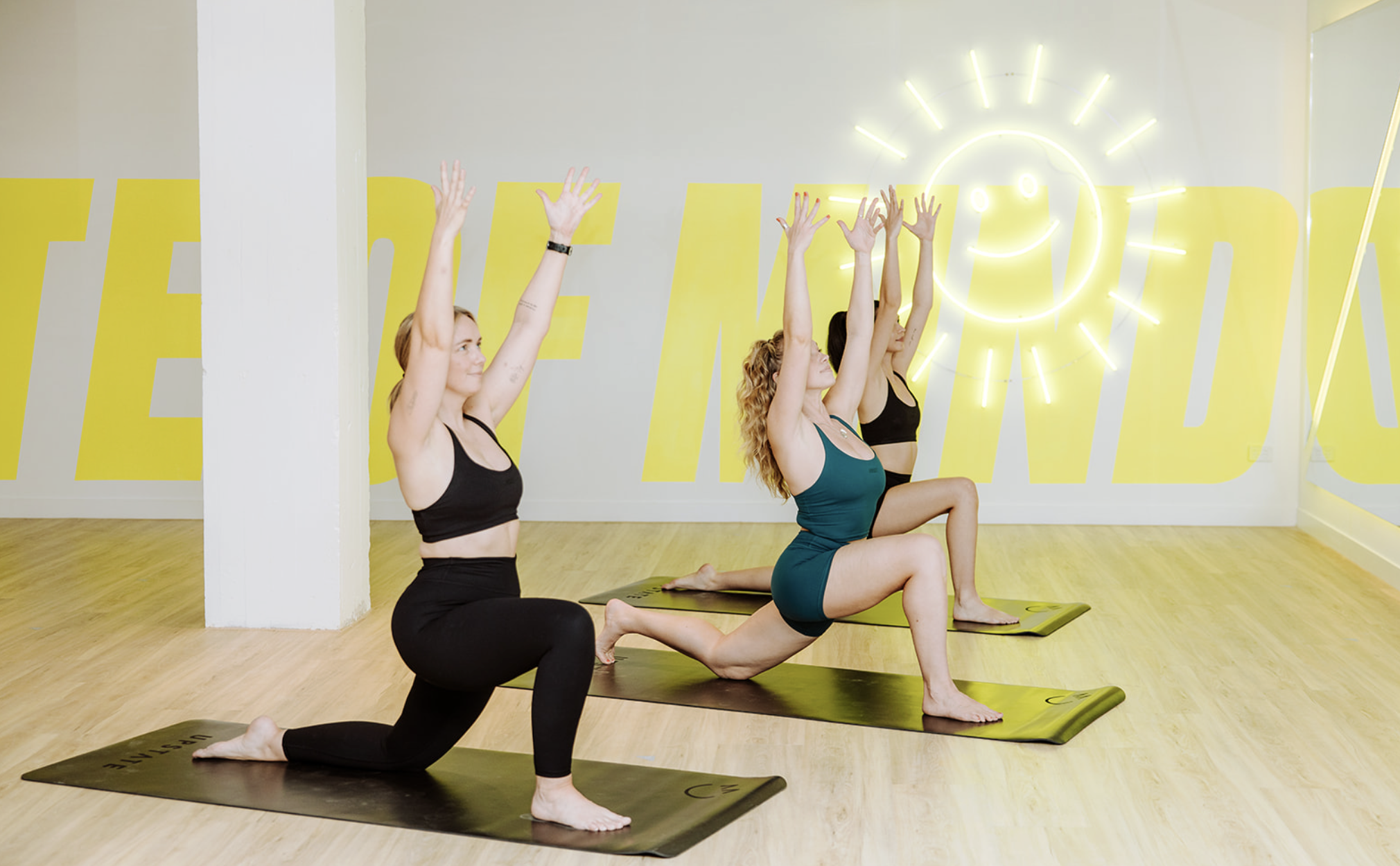
Mat Pilates is performed on the floor using body weight and small props. Mat Pilates uses body weight and gravity as resistance. Exercises like the roll-up focus on core strength and control. It’s accessible, beginner-friendly and easy to do anywhere.
Reformer & Equipment Pilates uses specialised equipment, including spring-based machines and props, for resistance and support:
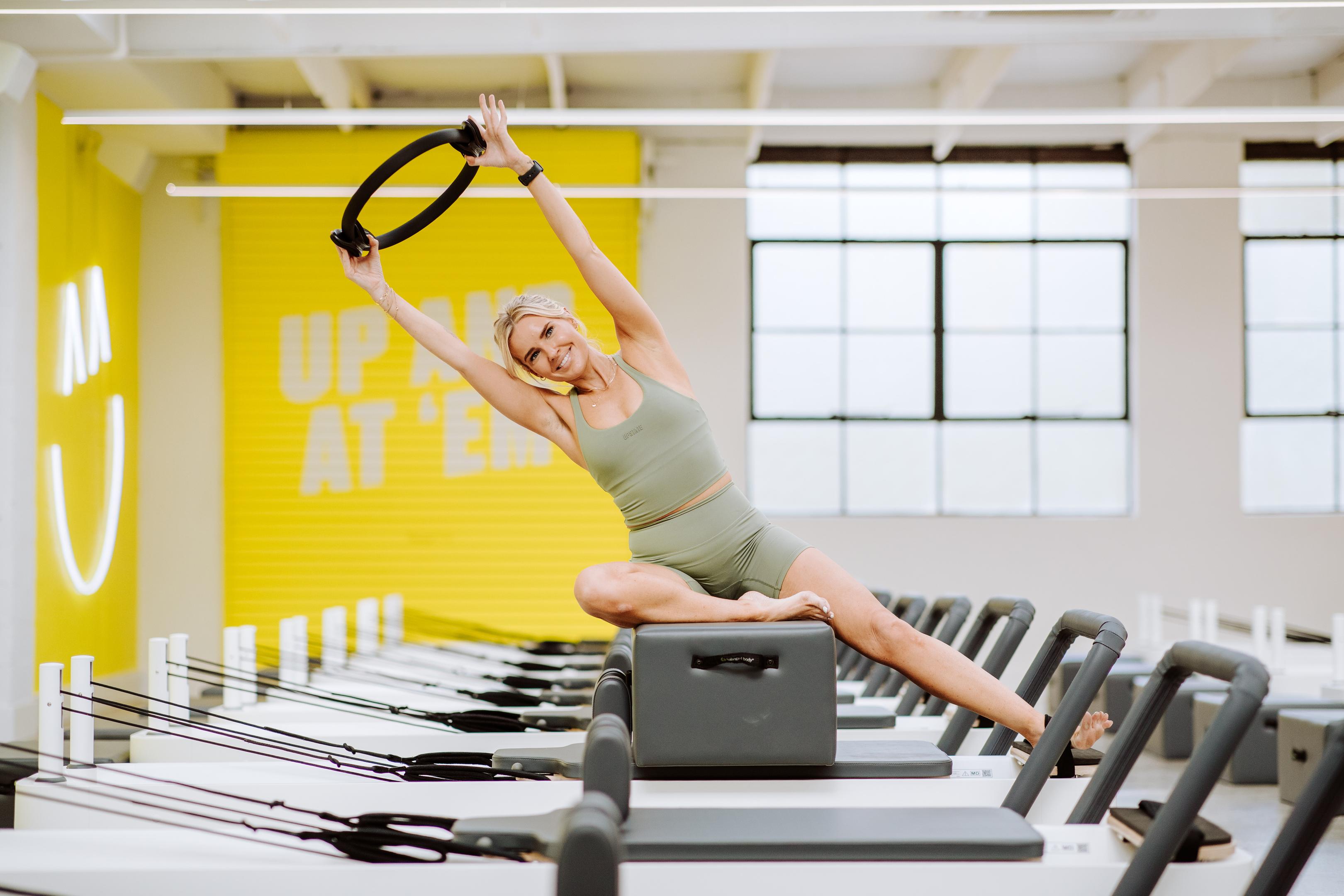
- Reformer – A sliding carriage with adjustable springs for strength and control. Reformer Pilates incorporates spring-based resistance.
- Cadillac (Trapeze Table) – Used for rehab, stretching and advanced movements.
- Chair – Compact equipment for strength and stability work.
- Barrels – Support spinal mobility and flexibility.
- Bands & Rings – Add resistance and muscle activation.
Clinical vs Studio Pilates (Australia)
- Clinical Pilates is typically physio-led and tailored for injury rehab.
- Studio Pilates (like at Upstate) focuses on fitness, strength and overall wellbeing in a group setting.
Health Benefits of Pilates
Pilates offers a wide range of physical and mental benefits:
- Core strength and stability – Builds deep abdominal and supporting muscles, specifically targeting the deep core, including those supporting the lumbar spine and pelvic mobility.
- Posture, balance and coordination – Encourages better alignment and movement control, improves dynamic balance for fall prevention and functional movement, and enhances balance and coordination, benefiting older adults and athletes.
- Flexibility and mobility – Improves joint range and muscle elasticity.
- Body awareness – Strengthens the mind–body connection.
- Injury prevention and rehab support – Particularly helpful for managing and preventing issues like low back pain, and widely used in physical therapy as a therapeutic exercise to correct muscular imbalances and safely recover from surgery or injury, including postoperative rehabilitation after orthopedic procedures.
- Body composition – Can help reduce body fat and improve overall body composition.
- Spinal and upper body support – Pilates exercises support cervical spine and upper body stability.
Who it’s helpful for:
- Sedentary adults and office workers
- Athletes looking to improve performance
- Older adults maintaining mobility
- Pre- and post-natal clients (with guidance)
Evidence note: A systematic review supports the benefits of Pilates for core strengthening, flexibility, and as an effective intervention for individuals with low back pain. While it can help with issues like low back pain, evidence for treating specific medical conditions is mixed, and it’s best used as part of a broader approach.
Body Movement and Pilates
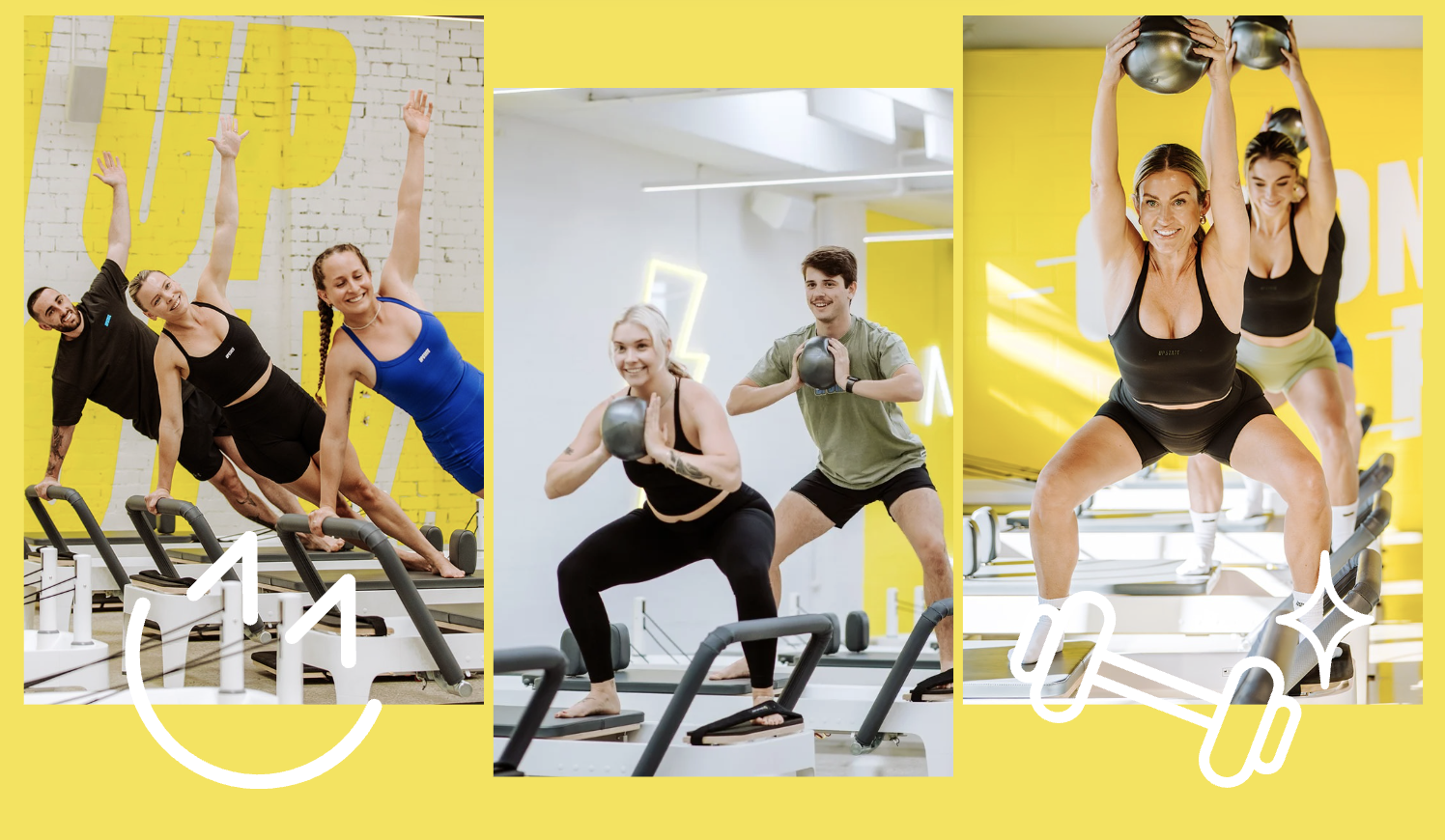
Pilates is much more than just a series of exercises—it’s a mindful approach to body movement that emphasises the deep connection between the mind and body. Developed by Joseph Pilates, the pilates method is rooted in the idea that using your own body weight and controlled resistance can transform the way you move, feel, and function.
At the heart of Pilates are exercises designed to engage the abdominal muscles, pelvic floor, and other major muscle groups. This focus on core strength and stability helps improve body awareness, posture, and the efficiency of every movement you make—both in and out of the studio. Whether you’re practicing mat Pilates or reformer Pilates, each session is crafted to enhance your physical health by building flexibility, balance, and core stability.
One of the standout benefits of Pilates is its adaptability. Pilates exercises can be modified for all fitness levels, making it accessible whether you’re a beginner, an elite athlete, or someone recovering from injury. Working with a certified Pilates instructor ensures you learn proper form and technique, which is essential for maximizing results and minimizing risk.
From an exercise science perspective, Pilates is a form of resistance training that supports muscle conditioning, bone density, and even cardiovascular fitness when performed in a dynamic, flowing sequence. Pilates-based exercises are also recognized for their role in improving body composition, increasing muscle strength and endurance, and supporting functional movement patterns that translate to everyday life.
For those dealing with back pain, chronic pain, or recovering from injuries, Pilates can be an effective rehabilitation tool. Its emphasis on controlled movement and muscular control makes it a popular choice in physical therapy and bodywork and movement therapies.
Ultimately, Pilates is a whole body workout that goes beyond physical exercise, it’s about cultivating body awareness, improving mental well-being, and achieving a balanced, healthy lifestyle. By incorporating Pilates into your exercise program, you can experience the many health benefits of Pilates and enjoy a stronger, more resilient body.
Is Pilates Right for Me?
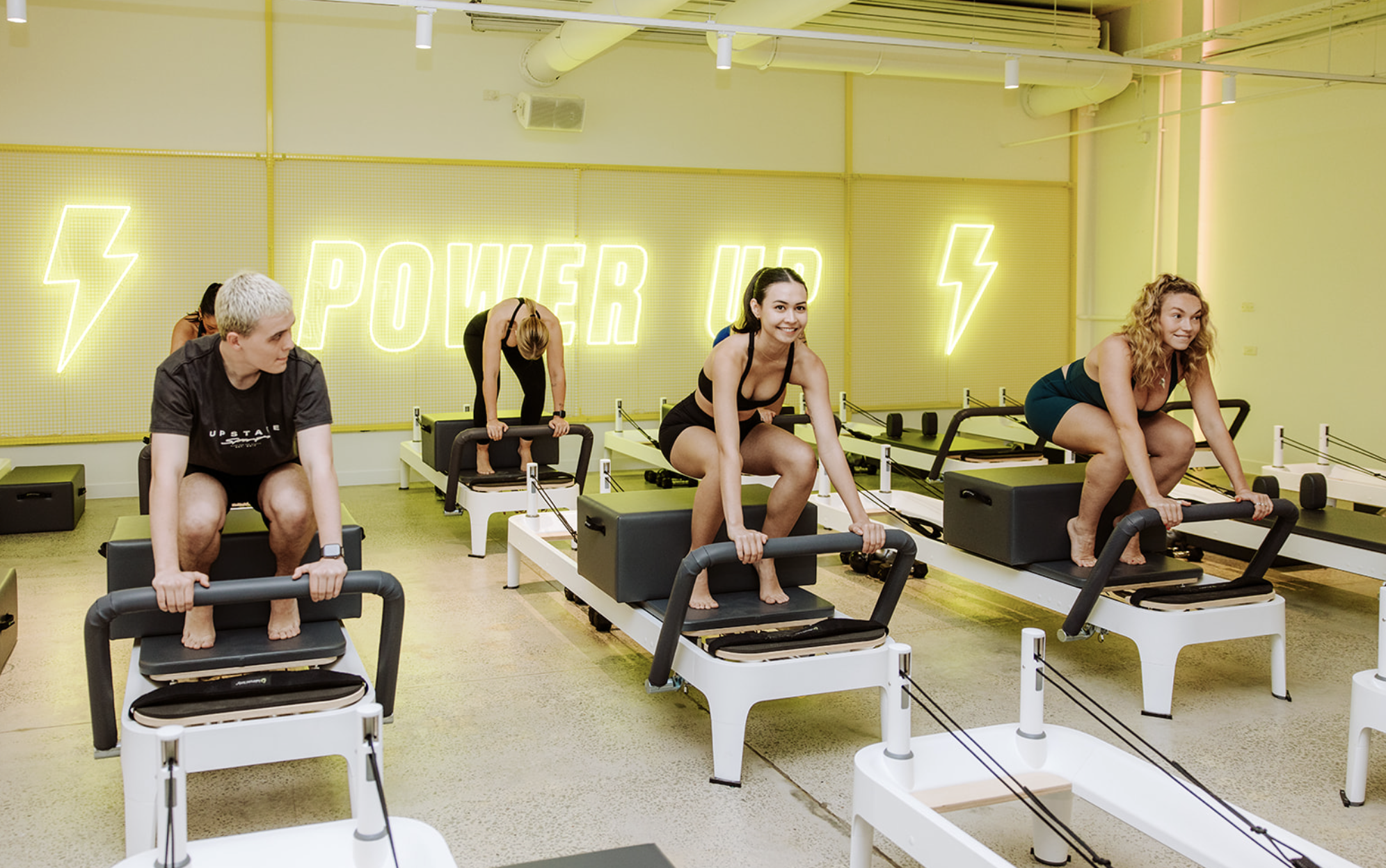
Pilates is suitable for:
- Beginners with no prior fitness experience
- Healthy adults, as it is recommended as a form of strength training for all ages and fitness levels
- People returning from injury (with guidance)
- Athletes wanting better performance and recovery
- Office workers needing posture support
- Older adults seeking low-impact exercise
Regular Pilates sessions provide strength training benefits, supporting overall health, bone strength, and injury prevention for healthy adults.
You should seek medical or physiotherapy advice before starting if you have:
- Pregnancy (especially high-risk)
- Recent surgery
- Significant or unexplained pain
- Chronic medical conditions
What to Expect in Your First Pilates Class
A typical class at Upstate Studios includes:
- Warm-up – Gentle mobility and activation
- Core-focused sequences – Strength and control exercises
- Cool-down – Stretching and recovery
Common cues you’ll hear:
- “Neutral spine” (maintaining natural posture)
- “Pilates V” (slight turnout of the legs)
- Breathing instructions to support movement
After class, you should feel worked and energised—not in sharp pain. Expect controlled muscle fatigue rather than exhaustion.
For beginners, it’s highly recommended to start with a qualified instructor to ensure proper technique and safety. Many Pilates studios offer introductory packages that begin with private one-on-one sessions to help you get started effectively.
Mat vs Reformer Pilates
Mat Pilates
- Minimal equipment
- More accessible and lower cost
- Relies on body weight
- Engages the entire body through controlled movements and breathwork
Reformer Pilates
- Uses spring resistance
- More variety and support
- Often feels more dynamic and engaging
- Provides targeted resistance for the upper body as well as the lower body, strengthening arms, shoulders, and back
Pilates exercises can be modified in difficulty to accommodate different fitness levels and goals.
How to Start Pilates in Australia
Choosing a studio:
- Look for qualified instructors
- Check class sizes and equipment quality
- Understand the studio’s approach (clinical vs fitness-focused)
Pilates is an effective and customizable workout routine that can be tailored to various fitness goals, making it suitable for beginners and experienced athletes alike.
What to bring:
- Comfortable activewear
- Grip socks
- Water bottle and towel
- Optional mat (for mat classes)
How often to go:
- Aim for 2–3 sessions per week for noticeable results
Safety, Risks and Common Myths
Pilates is low-impact, but it’s still a structured workout that challenges strength and control. While Pilates is excellent for building strength and flexibility, it is not considered a cardiovascular workout. For a balanced fitness routine and to enhance cardiovascular health, it’s important to supplement Pilates with aerobic exercise such as cycling, running, or brisk walking.
Common myths:
- “Pilates is only for flexible people” → Flexibility improves over time
- “It’s only for women” → It was created by a man and suits everyone
- “Only for dancers” → Used by athletes and beginners alike
- “It’s just core work” → It’s a full-body system
Pilates vs Other Forms of Exercise
Pilates vs Yoga
- Pilates focuses more on controlled, dynamic movement and core strength
- Yoga often includes a stronger spiritual component and static holds
- The difference between Pilates and yoga classes lies in their approach: yoga classes emphasise flexibility, breathwork, and spiritual aspects through practising yoga, while Pilates exercises focus on stability, postural awareness, and controlled movement for physical conditioning.
Pilates vs Gym Training
- Pilates uses lighter resistance and focuses on control and alignment
- Weight training emphasises load, muscle growth and strength progression
- The difference between Pilates and gym workouts is that Pilates exercises focus on stability, mobility, and body awareness, resulting in a lean, flexible ‘Pilates body’, while gym routines often aim for muscle bulk and strength. Practicing Pilates regularly leads to improved fitness and well-being. Modern Pilates also represents a new exercise program, incorporating updated protocols and scientific research to enhance effectiveness and accessibility.
FAQs
What exactly is Pilates and how is it different from other workouts?
Pilates is a low-impact, controlled exercise method focused on strength, alignment and breathing, rather than intensity or heavy weights.
Is Pilates good for beginners with no fitness experience?
Yes. It’s one of the most beginner-friendly exercise systems and can be easily modified.
Is Pilates good for weight loss?
It can support weight loss when combined with consistent training and a balanced diet, but it’s not primarily a calorie-burning workout.
Is Pilates or yoga better for me?
It depends on your goals—choose Pilates for strength and control, yoga for flexibility and relaxation.
Can Pilates help with back pain?
It may help improve strength and posture, which can reduce back pain, but it should be guided by a professional if pain is significant.
How often should I do Pilates to see results?
2–3 times per week is ideal for most people.
What’s the difference between mat Pilates and reformer Pilates?
Mat uses body weight; reformer uses spring-based resistance for more variety and support.
What is clinical Pilates and how is it different from regular Pilates?
Clinical Pilates is tailored by a physiotherapist for rehabilitation, while regular Pilates focuses on general fitness.
Do I need to be flexible before starting Pilates?
No, flexibility improves as you practise.
What should I wear and bring to my first Pilates class?
Wear comfortable activewear and bring grip socks, water and a towel.