What Is Reformer Pilates?
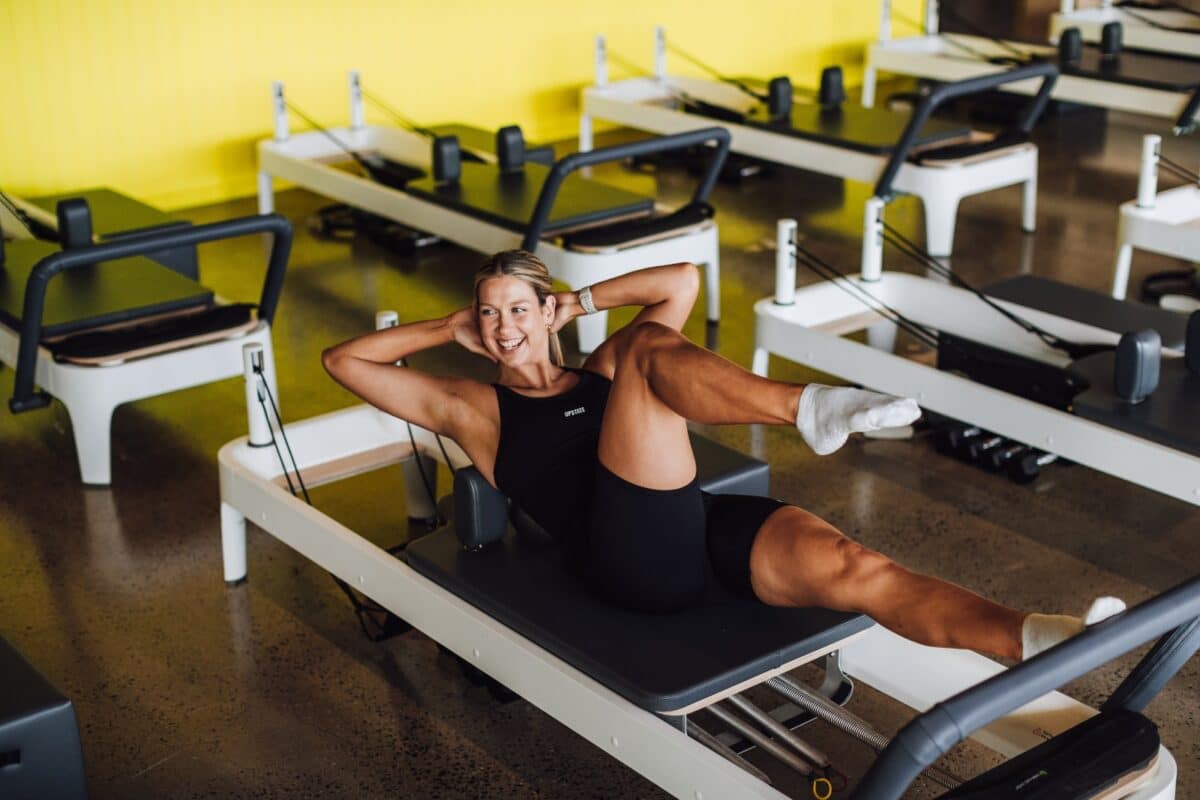
Reformer Pilates uses a sliding platform and springs to deliver a full-body, low-impact workout that builds strength, balance, and flexibility. The pilates reformer machine consists of a bed-like rectangular frame made from wood or metal, featuring a padded platform and a moving or sliding carriage.
Adapted from Joseph Pilates’ original method. Joseph Pilates created it to improve strength, posture, and overall health, first using controlled movement and breath to rehabilitate injured soldiers and restore natural balance. The reformer machine’s moving carriage and adjustable resistance allow for a comprehensive workout suitable for all fitness levels.
It can be gentle and rehabilitative or highly challenging, depending on spring resistance, pace, and programming. Reformer Pilates is typically performed in a pilates studio, where understanding how the equipment works is important for maximising benefits.
Key Takeaways
What it is: Reformer Pilates is a low-impact, spring-resisted, full-body workout performed on a reformer machine, adaptable from gentle rehab to athletic-level training. It is typically performed in a pilates studio or gym under the guidance of a certified pilates instructor.
Who it’s for: Suitable for all fitness levels, including beginners, people rehabbing injuries, prenatal/postnatal clients, and athletes. Intensity is easily scaled via springs, pace, and programming.
Main benefits: Provides a comprehensive workout targeting all major muscle groups, builds strength (especially core), improves posture and mobility, enhances body awareness, and supports injury prevention and recovery.
Session length & cost: Classes are usually held in a pilates studio and are led by a certified pilates instructor. Classes typically run 45–60 minutes; casual group classes are often around $30–$45, private sessions are higher costs, and class packs or memberships at studios will reduce the per-class price.
The Reformer Machine Explained
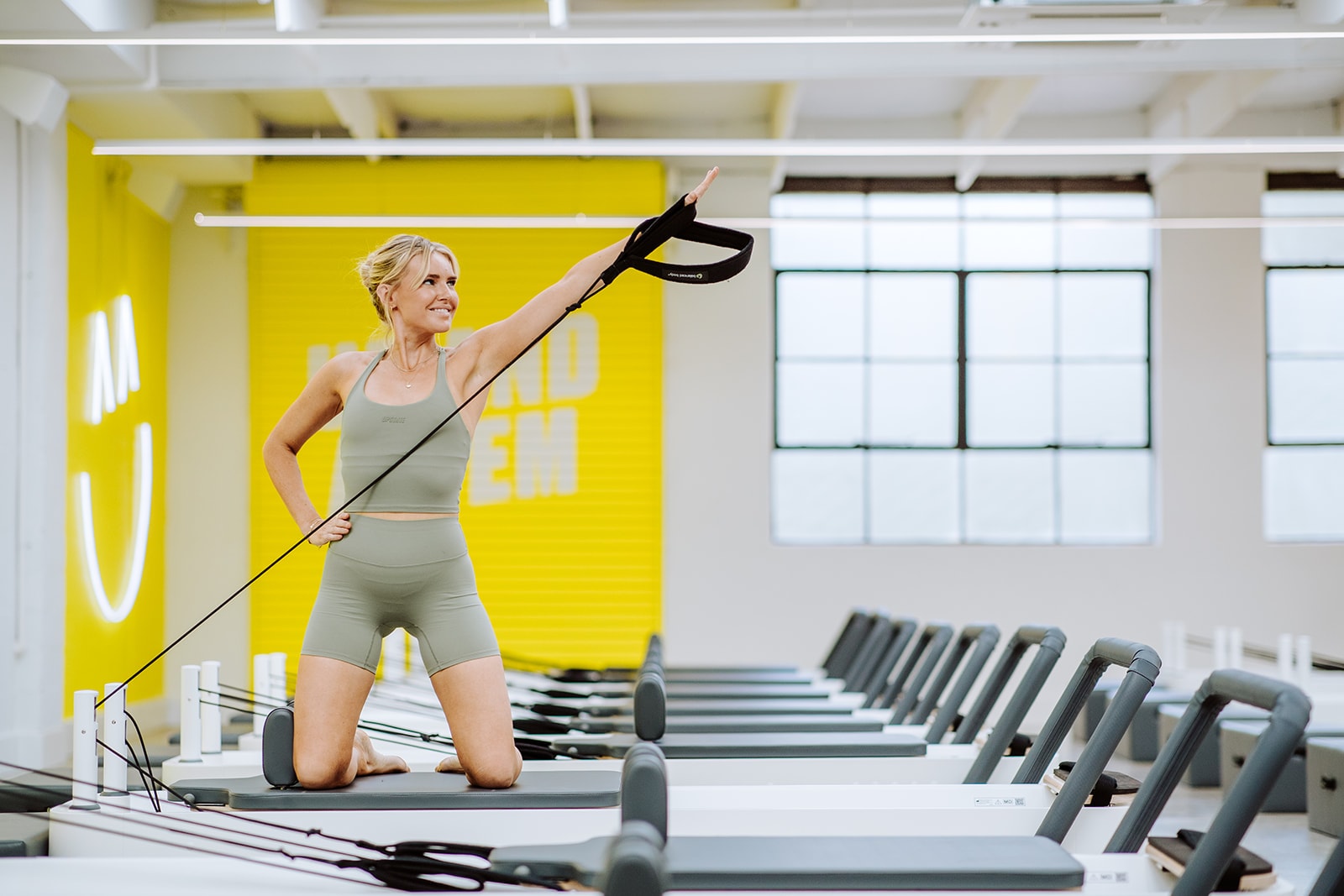
The Pilates Reformer is a bed-like rectangular frame with a sliding carriage, also known as a moving carriage, that glides back and forth. This carriage is a padded platform, providing comfort and support during exercises. The resistance is created by a set of springs attached to the carriage, allowing for adjustable intensity.
Key components of the Reformer include:
Foot bar: An adjustable bar at one end of the machine. The foot bar can be moved, lowered, or raised to accommodate different user heights and to facilitate a variety of exercises.
Sliding/moving carriage: The padded platform that moves along the frame, providing both support and challenge as you perform exercises.
Springs: These connect the carriage to the frame and allow you to adjust resistance for different exercises.
Straps and pulleys: Used for arm and leg exercises, adding versatility to your workout.
Understanding how the equipment works—including the role of the foot bar, sliding carriage, and springs—can help you get the most out of your reformer Pilates experience.
Main Parts of a Pilates Reformer
Carriage: The sliding carriage, also known as the moving carriage, is a padded platform you lie, sit, kneel, or stand on. It glides back and forth on rails, allowing smooth, controlled movement and providing support and challenge during exercises.
Springs: Adjustable metal springs that provide resistance. Changing the number and strength of springs alters how light or heavy an exercise feels.
Footbar: The foot bar is a padded, adjustable bar at one end of the reformer. It can be moved, lowered, or raised to accommodate different user heights and exercise variations, providing support and leverage for your feet or hands.
Straps: Attached to the carriage and held with hands or feet to add resistance, coordination, and full-body involvement.
Shoulder rests: Cushioned supports that help stabilize your shoulders and keep you safely positioned, especially during lying or footwork exercises.
Headrest: An adjustable pad that supports the head and neck for comfort and proper alignment.
Box & other Props: The box, jumpboard, pole, dumbells and rings are added to vary exercises, support different bodies, or increase challenge.
How a Reformer Pilates Class Works
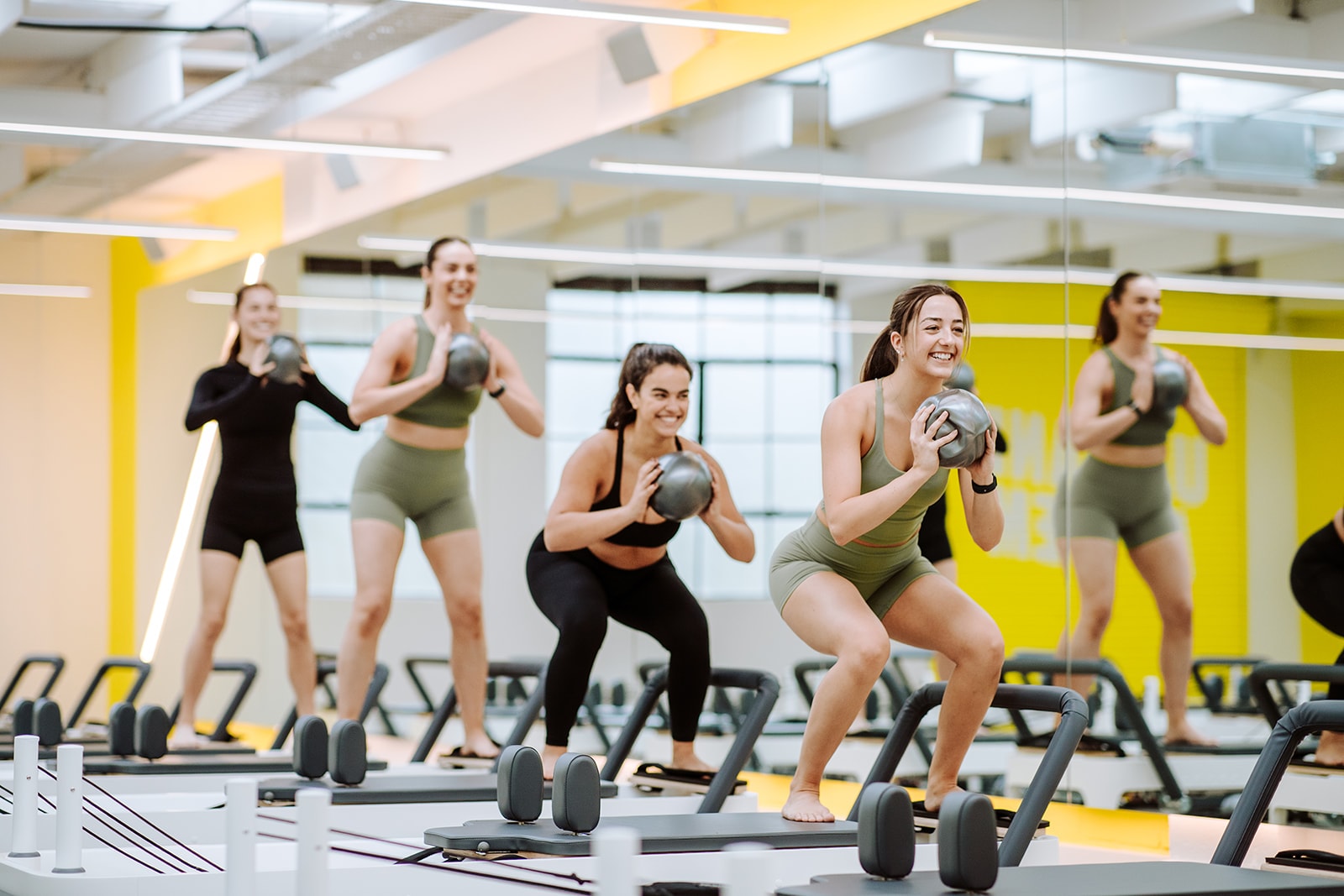
A typical 45–50 minute Reformer Pilates class follows a structured flow:
Warm-up (5–10 min): Gentle movements to activate the core, open joints, and connect breath with motion. Often done on the reformer carriage with light spring resistance.
Main blocks (30–35 min): Exercises are usually organized by body area:
Legs & glutes: Footwork, lunges, bridges.
Core & torso: Planks, roll-ups, abdominal curls, twists.
Upper body & arms: Push/pull with ropes or carriage, chest expansion, shoulder work. Springs, pace, and exercise selection adjust the challenge for each participant.
Cool-down & stretch (5–10 min): Slower movements to release tension, stretch muscles, and reinforce posture alignment.
Class environment:
Size: Often around 10 – 15 people in group reformer classes, smaller than mat Pilates to allow individual attention.
Music: Light background music may set a rhythm, but instructors emphasize breath and control.
Instructor style: Hands-on cueing, verbal instructions, and occasional physical adjustments help ensure proper alignment and safety. A qualified instructor or Pilates instructor will guide you to maintain proper form and technique, which is essential for safety and effectiveness, especially for beginners or those new to the reformer.
Booking norms (Australia): Many studios use casual passes, class packs, or memberships. Classes usually require online or in-person booking in advance, especially for peak times.
Reformer Pilates vs Mat Pilates
Mat Pilates relies on body weight for resistance, focusing on core and posture, while Reformer Pilates uses a spring-loaded machine with adjustable springs to provide more resistance and support. Adding more springs increases resistance for strength training, making exercises more challenging. The reformer allows for a broader range of exercises, targeting specific muscle groups and enabling a full range of motion for complete muscle extension and mobility. The reformer offers more exercise variety, easier scaling, and hands-on instructor guidance, whereas mat work is more accessible at home but harder to modify safely. Both improve core stability, posture, and body awareness.
Key Differences at a Glance
Aspect | Reformer Pilates | Mat Pilates |
|---|---|---|
Equipment | Spring‑loaded reformer carriage with footbar, straps, and adjustable springs. More resistance can be added by using more springs. | Mat, sometimes small props like bands, balls, or rings. Uses body weight as the primary resistance. |
Intensity range | Easily scaled from rehab‑friendly to very challenging by adjusting springs and tempo, allowing for more resistance as needed. | Usually lower resistance; intensity depends on body weight and control. |
Focus areas | Full body with strong emphasis on core, glutes, postural muscles, and mobility. Allows for a broader range of exercises, targeting specific muscle groups and enabling a full range of motion. | Core strength, alignment, mobility, and body awareness. |
Who it suits | People wanting guided, full‑body, low‑impact strength; great for beginners to advanced. | People wanting accessible, space‑efficient workouts at home or studio. |
Cost/Access (AU) | Higher per‑class cost; often in boutique studios or premium gym memberships. | Usually cheaper; offered in community centres, gyms, online. |
Which One Should You Choose?
Choose Reformer if: You want full-body support, scalable and more resistance, rehab-friendly options, a broader range of exercises, the ability to target specific muscle groups, a more varied, challenging workout, and you enjoy hands-on guidance in a studio setting.
Choose Mat if: You prefer minimal equipment, want to practice at home, or enjoy a classic Pilates experience focused on core and body awareness, and are looking for a more budget-friendly option. Mat Pilates relies solely on your body weight for resistance.
Both work your core and posture, but the reformer lets you safely add resistance or assistance for faster strength gains and rehab support. Many Australians combine both across the week—using mat sessions and reformer classes in the studio for variety, challenge, and guided support.
Evidence‑Backed Benefits of Reformer Pilates
Reformer Pilates offers many health benefits, including improved well-being, by providing a comprehensive workout that targets every major muscle group. The health benefits of reformer Pilates are supported by evidence and include improved strength, flexibility, balance, cardiovascular health, and overall well-being.
You can surpass competitors by clearly separating “feel‑good” benefits from those with stronger evidence.
Physical benefits with strong evidence:
Strengthens muscles and improves muscular strength through resistance-based exercises.
Supports spinal alignment and improves posture.
Increases flexibility and range of motion.
Enhances balance and coordination.
Provides a comprehensive workout that targets every major muscle group.
Can improve posture, strength, and balance, which may help prevent falls in older adults.
Physical Benefits
Core strength, improved posture, flexibility, joint stability, balance, muscular endurance, and spinal alignment.
Reformer Pilates strengthens muscles, improves muscular strength, and supports spinal alignment, making it suitable as low‑impact training for people who find high‑intensity or high‑impact workouts hard on their joints.
Rehab and Performance Benefits
Potential role in rehab or managing back pain and postural issues when guided by a qualified professional. Reformer Pilates is also suitable for people recovering from injuries, as it provides a highly controlled environment that is frequently used to safely rehabilitate injuries.
Benefits for athletes and runners (hip and glute strength, control, reduced injury risk) that many Australian studios emphasise.
Mental and Lifestyle Benefits
Stress relief, body awareness, mind‑body connection, and confidence from feeling stronger and more stable.
Emphasise how consistent attendance (e.g., 2–3 sessions per week) can support long‑term healthy habits.
Is Reformer Pilates Worth the Cost?
Yes! Reformer Pilates is worth the cost for the positive aspects it creates, as much as the movement itself. In a world of constant stimulation, Reformer Pilates offers something rare: an hour where your attention is fully anchored in your body, your breath, and the present moment. The higher price point reflects not just equipment or instruction, but a deliberately slower, more intentional experience that supports mental clarity and focus.
What You’re Paying For
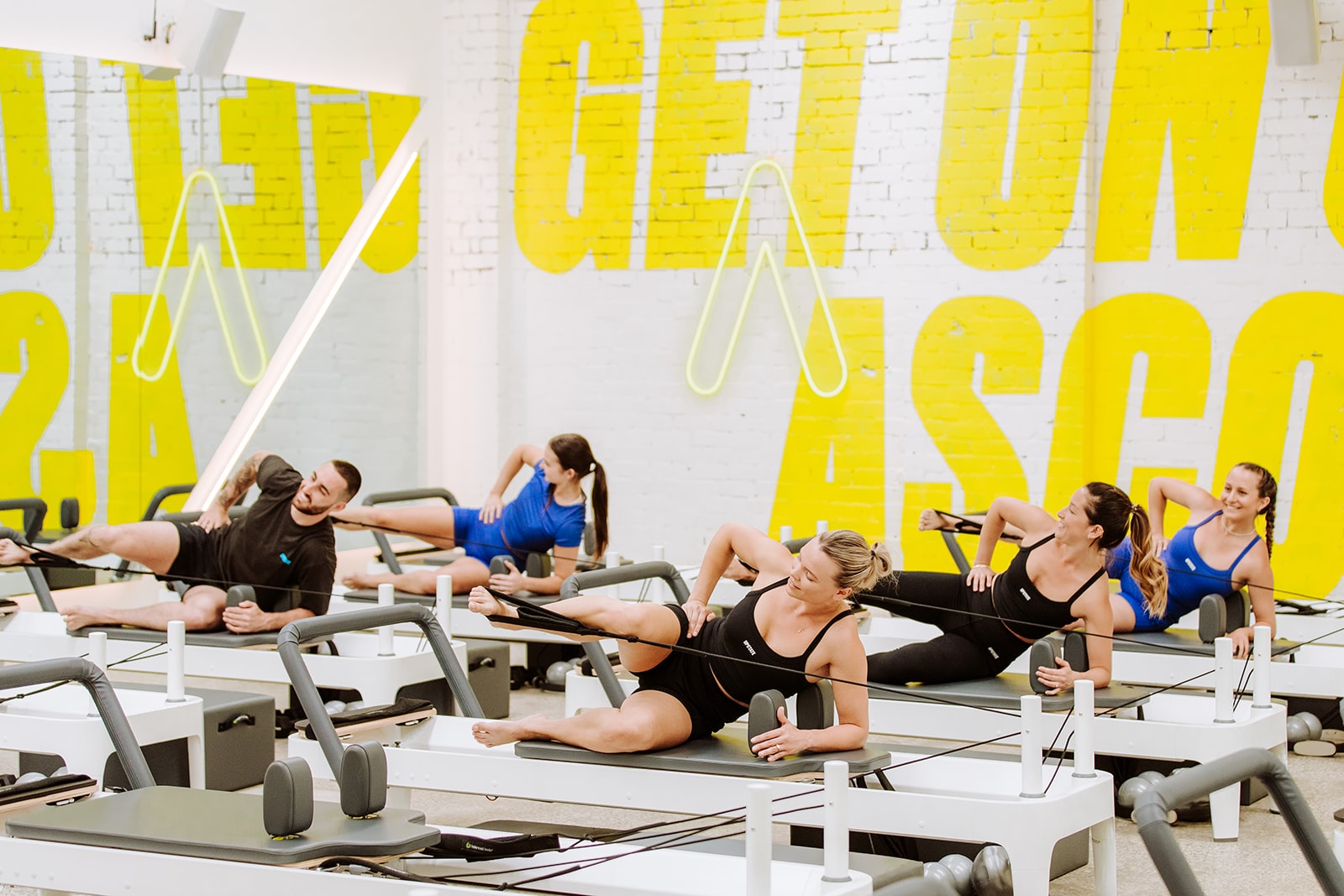
Small-group classes in a dedicated Pilates studio, not a crowded gym floor
Use of the Pilates reformer machine, with adjustable resistance that supports and challenges your body at the same time
Highly trained, certified Pilates instructors who understand alignment, biomechanics, and safe progression
Personalised cues and hands-on corrections, so every movement actually works the right muscles
Compared to gym workouts, Reformer Pilates offers faster strength gains, better core engagement, and greater control — all without high impact.
How to Decide if It’s Worth It for You
Reformer Pilates is worth it if you want more than just a workout; you want purposeful, considered movement that supports both body and mind.
It’s especially valuable if your goals include:
Reducing pain and improving posture
Building full-body strength and muscle tone
Enhancing performance in sport or everyday life
Training in a calm, focused studio environment
Feeling supported, guided, and challenged every session
If you’re new to Reformer Pilates, trying introductory offers at two or three different studios can help you feel the difference. Pay attention to the atmosphere, instructor quality, and how supported you feel, not just how hard the class is.
At Upstate Studios, our $59 intro offer gives you unlimited access to all classes, so you can explore different instructors, class styles, and times without pressure. It’s the easiest way to experience what consistent, high-quality Reformer Pilates actually feels like.
When those elements are in place, Reformer Pilates isn’t a luxury, it’s one of the smartest investments you can make in your entire health and wellbeing.