Is Pilates Instructing Right for You?
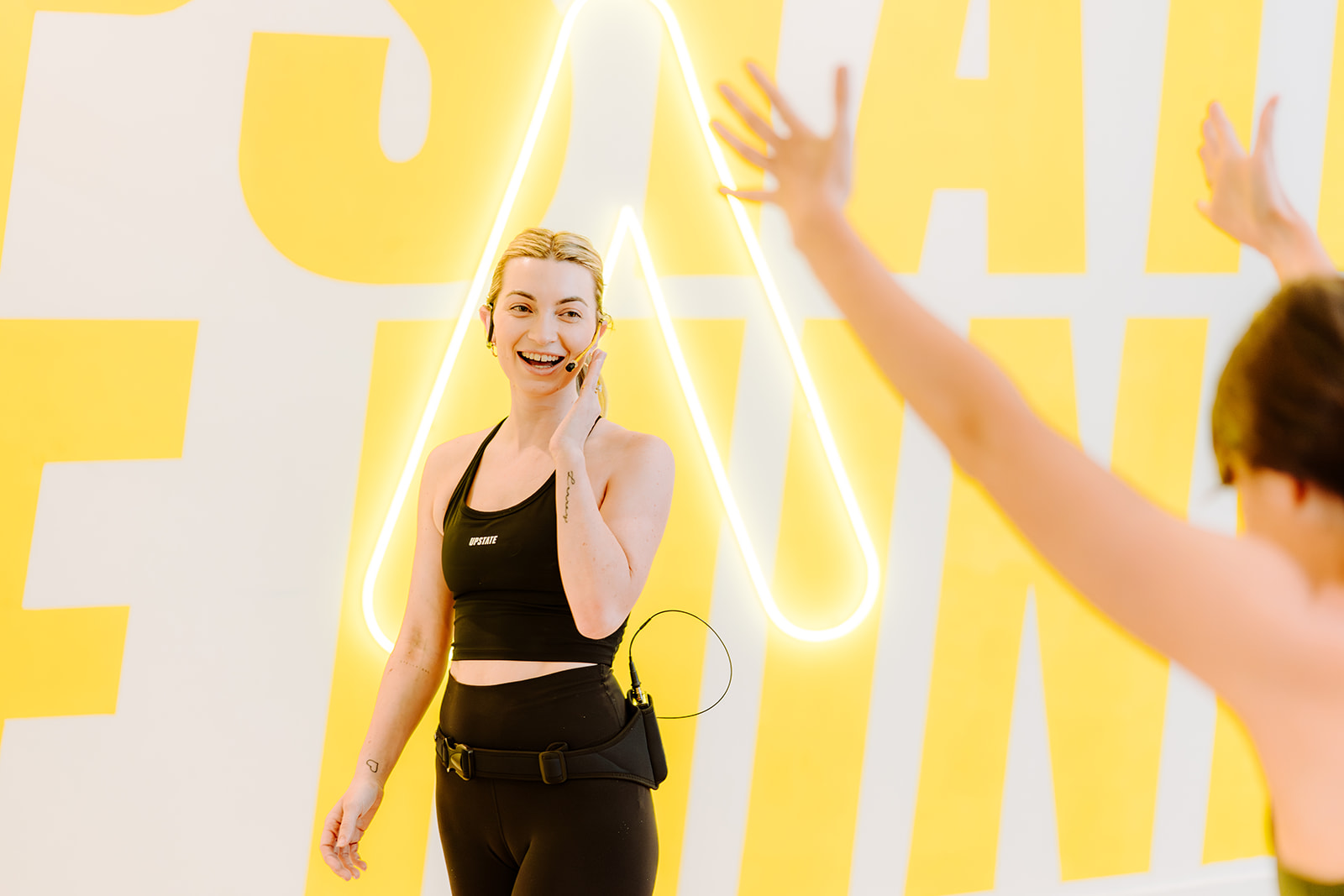
If you love movement, enjoy helping others feel strong and confident, and want a career that combines creativity with wellbeing, Pilates instructing might be your perfect fit. Teaching Pilates isn’t just about exercises; it’s about inspiring people to connect with their bodies, build strength safely, and feel empowered in every class. Whether you’re a fitness enthusiast thinking about a career change or someone passionate about sharing your love of Pilates, the right training can give you the skills, confidence, and support to step into the studio and make a real impact.
Minimum Requirements and Industry Standards in Australia
Pilates instruction isn’t government‑regulated in Australia, but the industry expects instructors to hold a recognised training qualification, current first aid certification, and professional insurance. Membership with bodies like Pilates Association Australia (PAA) or AUSactive is optional but recommended, as it shows you meet professional standards and maintain ongoing development. Other recognised accrediting bodies include the National Pilates Certification Program (NPCP) and Physical Activity Australia, which add credibility and industry recognition to your qualifications. These credentials are often essential for teaching in studios or securing clients.
Step‑by‑Step: How to Become a Pilates Instructor
Step 1: Get Experience as a Student (Mat, Reformer, Studio)
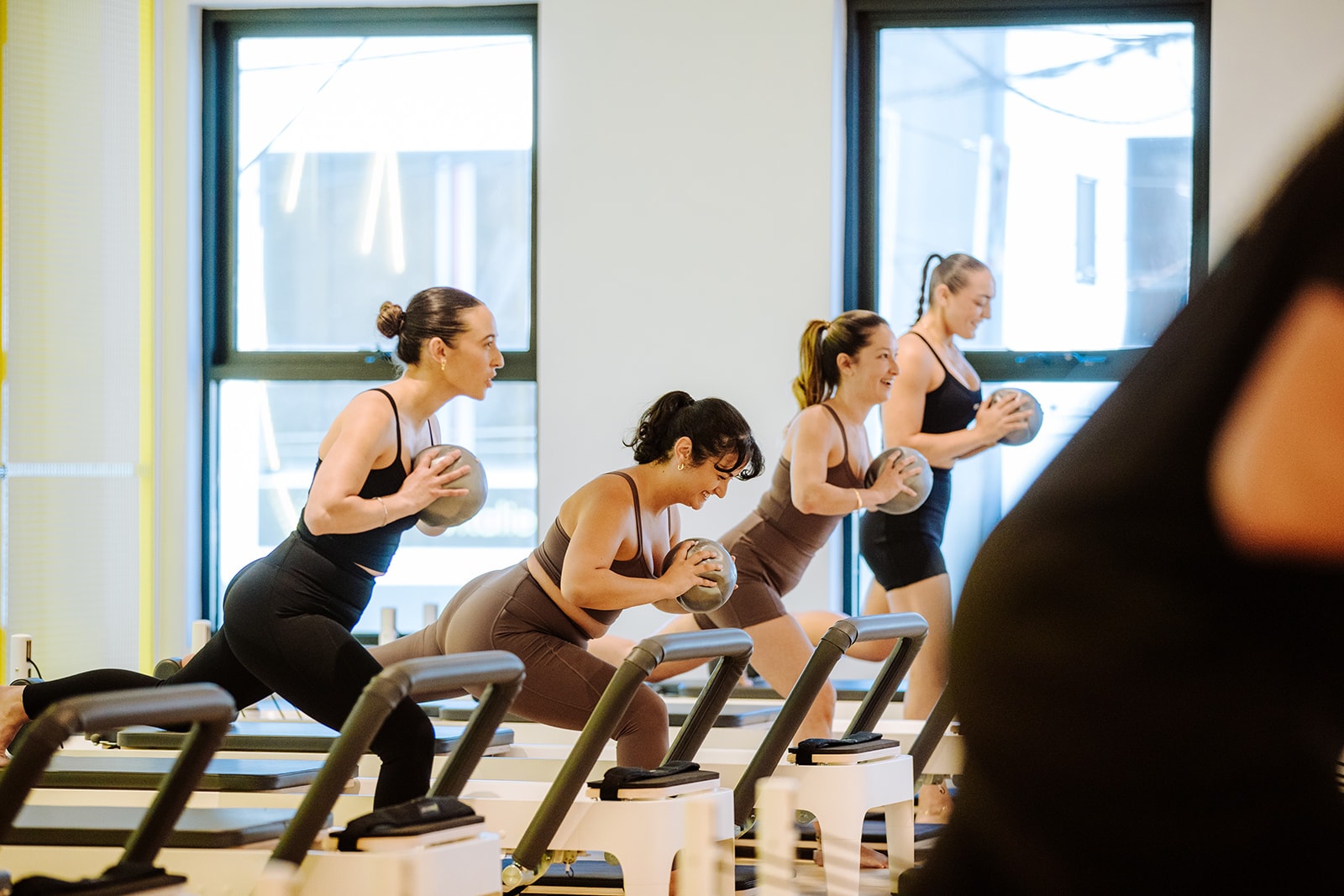
Before you teach it, live it. Immerse yourself in Pilates as a student and explore Mat, Reformer and studio classes to understand different styles, cues and class dynamics. This builds body awareness, confidence and a deeper appreciation for the method from both the client and instructor perspective.
Step 2: Choose Your Pathway (Group Fitness, Studio, Clinical)
Decide what kind of instructor you want to become. Are you drawn to high-energy group reformer classes, boutique studio environments, or a more clinical, rehab-focused setting? Your pathway will guide the type of qualification you need and shape your future career opportunities.
Step 3: Select an Accredited Training Provider (What to Look For)
Choose a reputable, accredited provider that offers comprehensive course content, experienced educators and hands-on learning. Look for programs that balance anatomy, programming, cueing and practical teaching experience, not just theory. Support, mentorship and real-world readiness matter.
Step 4: Complete Your Course, Practical Hours and Assessments
Commit to the process. You’ll complete coursework, log practical teaching hours and pass assessments to demonstrate your knowledge and skills. This is where your confidence grows and your teaching style starts to take shape.
Step 5: Get Insurance, Registration and Your First Job
Once qualified, secure your insurance and any required registrations. Then it’s time to step into the studio. Apply for roles, connect with studios that align with your values, and start building your experience as a confident, capable instructor.
Your Pilates career starts with one decision and grows with every class you teach.
Training Pathways and Course Types
Entry-Level Courses (Matwork and Reformer Only)
Entry-level qualifications are designed to get you teaching sooner. Matwork Certification qualifies you to teach mat-based classes, while Reformer Certification (and reformer training) focuses on teaching with the reformer apparatus, allowing you to diversify your teaching skills. These courses typically focus on Matwork and/or Reformer, equipping you with foundational knowledge in anatomy, technique, programming and cueing. They’re ideal if you want to teach group classes in a studio environment and start building experience quickly.
Comprehensive Studio Courses (Certificate IV, Diploma, Advanced Diploma)
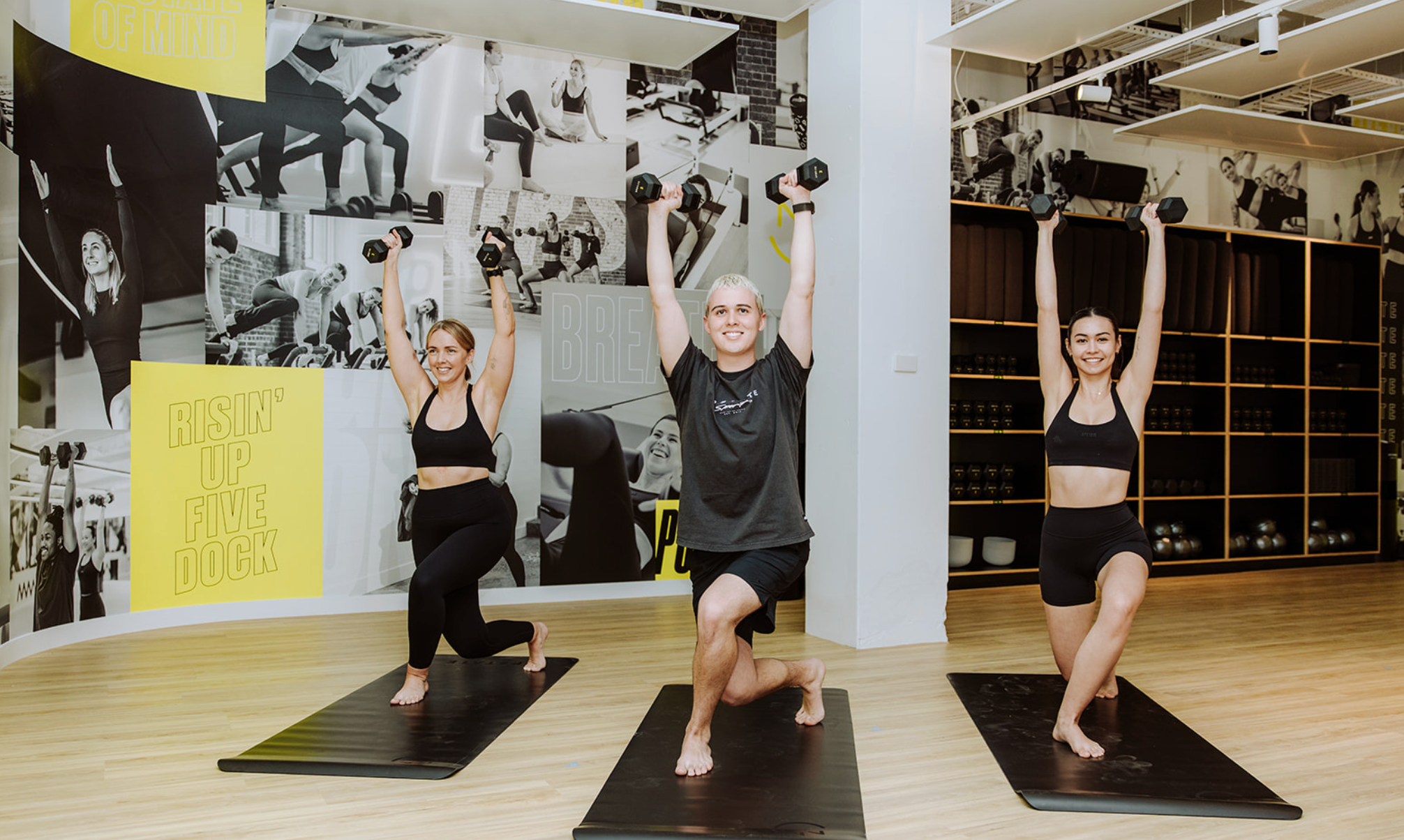
Comprehensive pathways go deeper. These programs cover the full studio method including Mat, Reformer, Cadillac, Wunda Chair and Barrels, alongside in-depth anatomy and movement mechanics. Qualifications such as Certificate IV, Diploma or Advanced Diploma are suited to those wanting broader career opportunities, including private sessions, long-term progression and potentially more clinical settings.
Pathway 1 vs Pathway 2 (With or Without Existing Fitness Qualification)
If you are already a personal trainer or hold a fitness qualification (like Certificate III or IV in Fitness), your pathway to becoming a Pilates instructor may be shorter, as you’ve already covered core fitness fundamentals.
If you’re new to the industry, you’ll likely need to complete the full qualification pathway, which includes foundational fitness units before specialising in Pilates. Your starting point will determine the structure and length of your course.
In-Person, Online and Hybrid Study Options (Pros and Cons)
Training formats vary and each has benefits.
In-person study offers hands-on learning, immediate feedback and community connection.
Online study provides flexibility and self-paced learning, ideal for balancing work or family commitments. Many providers offer an online course format that allows you to study at your own pace, with the option to complete the program in as little as a few weeks or extend it over several months. Studio Pilates, for example, offers more than 15 courses both online and face-to-face to accommodate different schedules and learning preferences.
Hybrid models combine the best of both theory completed online with practical workshops in person.
The right option depends on your learning style, schedule and how much in-studio experience you want during your training.
Payment and Financing Options for Pilates Instructor Training
Investing in your future as a pilates instructor doesn’t have to be overwhelming. There are flexible payment and financing options designed to help you achieve your teaching career goals. The cost of pilates instructor training can range from individual modules starting at around $760 to comprehensive certifications up to $4,995, depending on the program and level of qualification you choose. Many leading pilates courses, such as those offered by National Pilates Training, provide internationally recognised training and a variety of pricing options to suit different budgets.
Most programs understand that becoming a certified pilates instructor is a significant step, so they offer payment plans that let you pay upfront or spread the cost over manageable installments. This means you can start your training without financial stress and focus on developing your skills and knowledge. For example, the APPI Pilates Instructor Certification allows students to pay in full or opt for a payment plan, making it easier to access high-quality, certified training.
When comparing pilates instructor programs, look for those that are not only competitively priced but also offer essential support, comprehensive content, and recognised certification. This ensures your investment leads to real teaching opportunities and a strong start in your pilates career. Whether you’re just starting out or looking to upskill, finding the right payment and training options is an essential step on your journey to become a pilates instructor.
How Long It Takes and What It Costs
At Upstate Studios, becoming a certified Pilates instructor is designed to be achievable within a few months with a clear structure of online learning, in-person training and practical practice all supported with industry-recognised guidance.
Time Commitment
Online modules: ~20 hours of pre-study that you can complete over about 6 weeks via the Upstate Learning Hub before attending in-person training.
In-person training:
Mat only or Reformer only: around 5 days face-to-face learning.
Mat + Reformer comprehensive: about 10 days of in-person sessions, typically spread over multiple weekends or up to two weeks.
Logbook and practice teaching: You’ll have up to 6 months after training to complete required observation, teaching practice and self-practice hours.
This blended timeline means you can often be certified and ready to teach within several months of starting your training balancing study with your existing schedule.
Course Costs (AUD)
Upstate offers three core training options:
Mat Pilates Certification: AU$2,300 Early Bird / AU$2,500 Standard
Reformer Pilates Certification: AU$2,300 Early Bird / AU$2,500 Standard
Mat + Reformer Combined: AU$4,300 Early Bird / AU$4,500 Standard
Book with a friend and you each receive a $100 discount.
A $300 deposit secures your spot, with payment plans available to spread out the cost.
Why this matters: Upstate’s structure blends theory, hands-on experience and real teaching practice so you graduate not just with a certificate, but with confidence to step into the studio as an instructor.
Career Paths and Job Opportunities
Where You Can Work (Studios, Gyms, Allied Health, Online)
A Pilates qualification opens more doors than many people realise. Many new instructors gain valuable experience by teaching or practicing in local studios, which offer accessible opportunities within the community. Graduates can teach in boutique Pilates studios, large fitness centres and gyms, or within allied health settings alongside physios, osteos and other practitioners. There’s also growing opportunity in the online space, from virtual classes to on-demand programs and hybrid memberships.
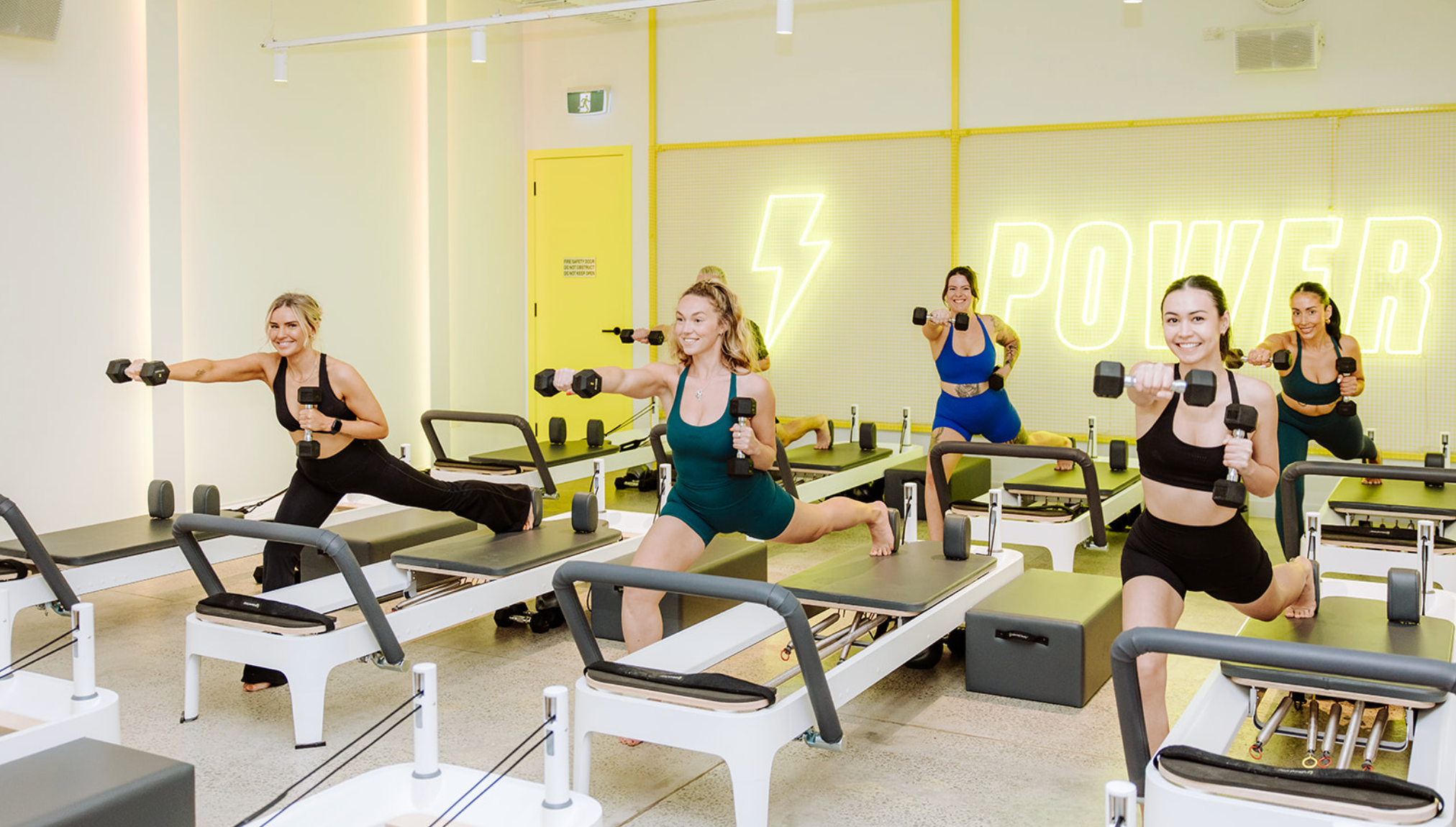
At Upstate, many instructors begin in studio environments, building confidence in group reformer classes before expanding into private sessions or specialty programs.
Specialisations: Pre/Post-Natal, Rehab, Athletes, Seniors and More
As your experience grows, so can your niche. You might choose to specialise in:
Pre- and post-natal clients
Rehabilitation and injury management
Athletic performance and strength conditioning
Active ageing and seniors programming
High-intensity reformer or athletic-style classes
Specialising allows you to deepen your expertise, attract a specific client base and increase your value within a studio or clinical setting.
Casual, Part-Time, and Full-Time Roles (and Typical Schedules)
Many instructors begin with casual or part-time hours, teaching early mornings, evenings and weekends at peak studio times. This flexibility makes Pilates a popular option for career changers, parents or those balancing other commitments.
Full-time roles are often available in established studios, particularly for instructors who are versatile across multiple class formats and open to mentoring or leadership pathways.
Salary Expectations and Earning Potential in Australia
In Australia, Pilates instructors are commonly paid per class or per client session. Rates can vary depending on location, qualification level and studio type.
As a guide:
Group class rates often range from approximately $45–$75 per class.
Private sessions may attract higher rates.
Full-time annual earnings vary based on hours taught, with experienced instructors in busy studios earning a competitive income.
Your earning potential increases with experience, additional certifications, strong client retention and the ability to teach across multiple formats. Over time, some instructors progress into educator roles, studio management or even open their own studios.
Pilates can start as a side hustle but for many, it grows into a long-term, rewarding career.
How to Stand Out as a New Instructor
Building Confidence and Teaching Skills (Cueing, Programming)
Confidence comes from preparation and repetition. Refine your cueing so it’s clear, concise and purposeful with less talking, more impact. Learn to program with intention, layering exercises to create a cohesive class experience rather than a collection of movements.
The best new instructors focus on three things:
Simple, effective cueing
Smart, progressive programming
Reading the room and adapting in real time
At Upstate, strong teaching foundations are everything because great energy means nothing without clarity and control.
Creating a Personal Brand and Online Presence
You don’t need thousands of followers, you need consistency. Share your journey, your training, your teaching style and what you stand for. Whether your vibe is athletic, rehab-focused, empowering or community-driven, own it.
A professional Instagram profile, updated LinkedIn and short teaching clips can help studios see your personality and confidence before you even walk in the door.
Networking with Studios and Allied Health Professionals
Relationships matter. Attend workshops, introduce yourself to studio managers, and connect with physios, osteos and trainers in your area. Even taking classes at studios you’d love to work for helps you understand their culture and expectations.
Often, opportunities come from being present, reliable and proactive, not just qualified.
When to Upskill: Reformer, Equipment, and Specialist Courses
Once you’ve built experience and confidence, consider expanding your toolkit. Adding Reformer (if you started in Mat), learning full studio equipment, or completing specialist courses in pre/post-natal, rehab or athletic conditioning can significantly increase your value.
Upskilling keeps you relevant, improves client results and opens doors to higher-paying roles and leadership pathways.
Standing out isn’t about being the loudest instructor in the room, it’s about being the most prepared, adaptable and aligned with the community you teach.
Community and Support for New Pilates Instructors
Stepping into the fitness industry as a new pilates instructor is much easier when you’re surrounded by a supportive community. Many pilates studios and training providers understand the importance of ongoing support, offering mentorship programs, regular check-ins, and access to experienced trainers who can help you develop your skills and build your confidence.
Online communities and social media groups are also invaluable resources for new instructors. These platforms connect you with other pilates professionals, allowing you to share knowledge, ask questions, and learn from those with more experience. Whether you’re looking for advice on teaching techniques, client management, or career development, being part of a supportive network can make all the difference.
Institutions like Spicy Pilates are known for their commitment to supporting new instructors throughout their training and beyond. By engaging with these communities both online and in person, you’ll gain the confidence, skills, and knowledge needed to thrive in your pilates teaching career. Remember, the journey to becoming a successful pilates instructor is not one you have to take alone; ongoing support is always available to help you achieve your goals in the fitness industry.
Pilates Instructor Pathways in Australia
Pathway / Course Type | Typical Student | Duration | Leads To | Recognition |
|---|---|---|---|---|
Matwork‑only Certificate | Beginners wanting group mat classes | 3–6 months | Group mat instructor in gyms/studios | Often industry‑recognised, sometimes nationally accredited |
Comprehensive Studio Diploma | Career‑changers, studio instructors | 12+ months | Full studio instructor incl. equipment | Nationally recognised, PAA/AUSactive pathways |
Bridging for PTs (Pathway 2) | Existing PTs / fitness pros | 2–6 months | Pilates added to PT offering | Usually meets AUSactive/PAA requirements |
Creating a Dream Life as a Pilates Instructor
Imagine a career where you help others achieve their fitness goals, enjoy a flexible schedule, and find personal fulfillment every day, that’s the reality for many pilates instructors. Creating your dream life as a pilates instructor starts with a deep understanding of the pilates method, including anatomy, exercises, and effective teaching techniques. Comprehensive training programs, like those offered by Studio Pilates, are designed to empower you with the essential knowledge and practical skills needed to excel in the studio and beyond.
As you develop your expertise, you’ll discover a wide range of teaching opportunities in pilates studios, fitness centers, and even private practice. The average salary for a pilates instructor in Australia ranges from $45 to $60 per hour, making it a financially rewarding path as well. With the right training and support, you can build a sustainable career that aligns with your passion for fitness and wellbeing.
Achieving your dream life as a pilates instructor is about more than just teaching classes, it’s about making a positive impact, growing your skills, and enjoying a lifestyle that supports your own health and happiness. By investing in your education and embracing ongoing development, you’ll be well-equipped to achieve your career goals and inspire others through the power of pilates.