
What Is Yoga and How Does It Work?
Yoga is a holistic practice combining movement, breathing, and mindfulness that improves both physical health and psychological wellbeing. Yoga offers a holistic approach to health, supporting overall well-being by integrating physical, mental, and spiritual practices. Practicing yoga regularly can enhance well-being, promote inner peace, and foster self care habits that support emotional balance and overall quality of life.
- Modern research shows yoga can influence:
- Musculoskeletal strength and flexibility
- Stress hormone regulation
- Mental health outcomes
- Cardiovascular function
- Sleep and immune response
Yoga leads to improvements in physical and mental health by supporting the healing process and managing stress. Mind-body interventions like yoga can enhance physical energy and support the healing process, contributing to overall well-being.
Yoga originated in ancient India and combines three main elements:
- Physical postures (Asana) – The physical practice of yoga includes yoga postures (asanas) and yoga poses, which benefit the whole human body and physical body by improving strength, flexibility, and balance.
- Breathing techniques (Pranayama) – Yogic breathing, breathing exercises, and breathing practices are central to yoga, supporting respiratory health and mental clarity.
- Meditation or mindfulness
These components work together to influence both physical systems and the nervous system.
Yoga works by regulating the autonomic nervous system, shifting the body from stress mode (sympathetic nervous system) to rest-and-recovery mode (parasympathetic). Yogic breathing, breathing exercises, and breathing practices are essential for regulating the sympathetic nervous system and promoting relaxation techniques.
Regular yoga practice and sustained practice are key to achieving long-term benefits for physical and mental health. Participating in yoga classes or a guided yoga session with a yoga therapist can help ensure safe and effective practicing yoga. Yoga therapy and yoga intervention are used as complementary therapies for various health conditions, providing structured support for healing and recovery.
The scientific study of yoga has increased substantially in recent years, with many clinical trials assessing its therapeutic effects and benefits.
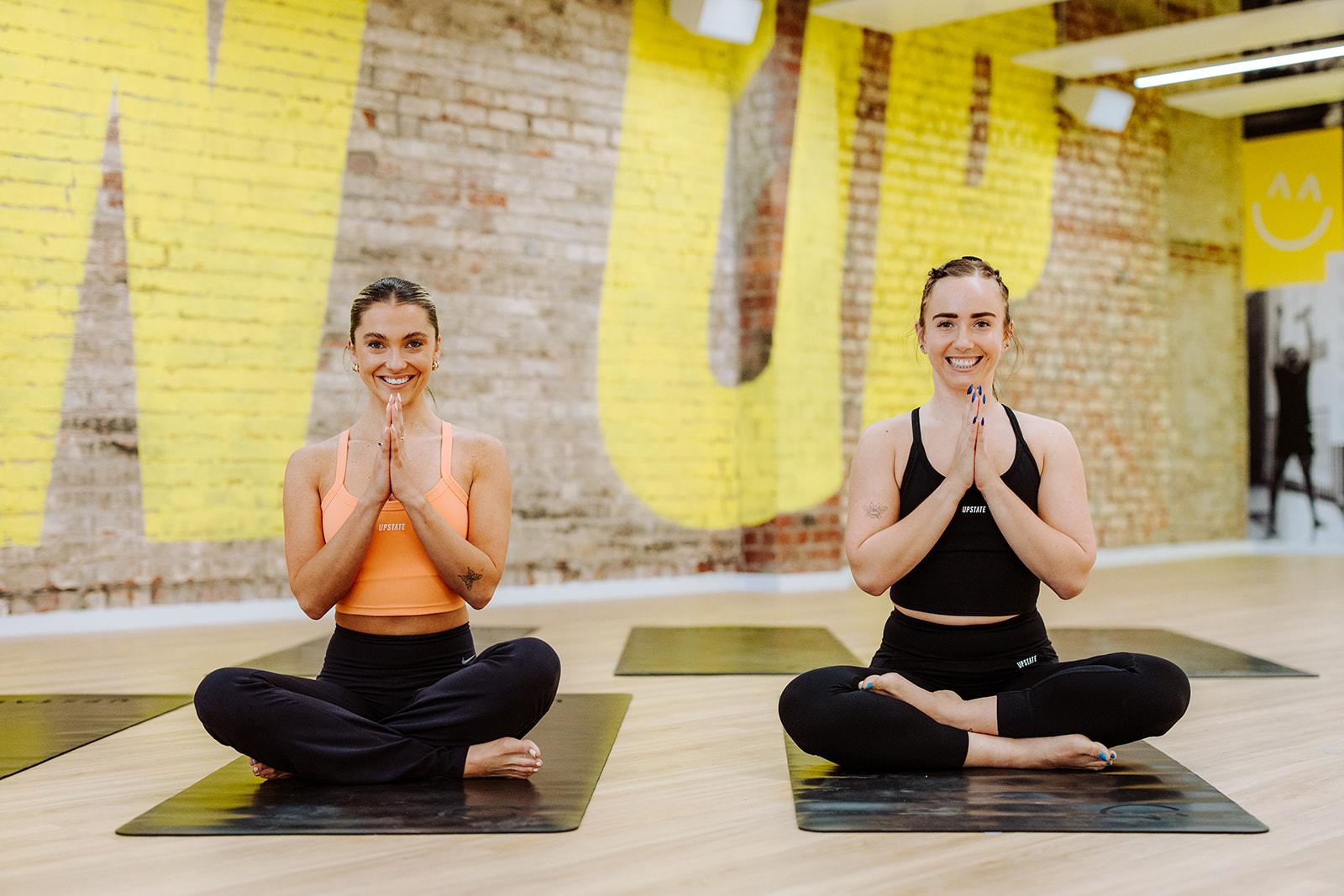
Key physiological effects
Yoga may help:
- Lower cortisol (stress hormone)
- Reduce blood pressure
- Improve vagal tone
- Enhance oxygenation
- Reduce inflammation
- Improve muscle elasticity
- Improve physical function by enhancing muscle strength, joint mobility, and overall movement
- Support cardiovascular system health through improved circulation and heart function
- Increase oxygenation and physical energy through deep breathing techniques

12 Proven Health Benefits of Yoga
1. Improves flexibility and balance
Regular practice of yoga stretches muscles, ligaments, and connective tissue, leading to improved flexibility throughout the whole body and gradually improving mobility.
Evidence:
- A study from University of Sydney found yoga significantly improved balance and mobility in older adults.
- Yoga is also beneficial for young adults, supporting flexibility and physical health across age groups.
- Increased flexibility reduces injury risk and improves movement efficiency.
2. Builds strength and endurance
Although often seen as gentle, many poses require sustained muscle activation.
Benefits include:
- Core strength
- Functional strength
- Joint stability
Practicing yoga regularly can also boost physical energy and stamina, helping you feel more invigorated throughout the day. Yoga can enhance physical appearance by improving muscle tone and body awareness, which supports a positive body image and self-confidence. Additionally, yoga can be integrated into a broader exercise program to support overall fitness goals such as flexibility, balance, and strength.
Styles like Vinyasa or Power Yoga can provide a moderate strength workout.
3. Reduces stress and cortisol levels
Yoga is strongly linked to lower stress hormone levels and is highly effective for managing stress through relaxation techniques and breathing exercises.
Evidence:
Research published via Harvard Medical School shows yoga can reduce cortisol and improve stress resilience.
Physiological effects include:
- Slower heart rate
- Reduced blood pressure
- Increased relaxation response
4. Supports mental health and eases depression
Yoga can improve mood through:
- increased serotonin activity
- mindfulness
- physical activity
A meta-analysis indexed on PubMed found yoga significantly improved symptoms of mild to moderate depression. Additionally, yoga is increasingly used as a complementary therapy for mental health conditions, including eating disorders, by improving body image and emotional regulation.
5. Helps manage anxiety and promotes calm
Breathing and meditation techniques help regulate amygdala stress responses.
Research from University of Melbourne shows mindfulness-based movement practices can reduce anxiety symptoms. Yoga intervention and yoga therapy, often guided by a yoga therapist, are structured approaches used to address anxiety and promote calm.
6. Boosts heart health and circulation
Yoga may improve cardiovascular health by:
- lowering blood pressure
- improving circulation
- reducing inflammation
- supporting heart and lung function through yogic breathing and breathing practices, which can positively influence the cardiovascular system
The Heart Foundation notes yoga can complement traditional aerobic exercise for heart health.
7. Enhances immune system function
Stress reduction plays a key role in immune health.
Studies suggest yoga may:
- reduce inflammatory markers
- support immune cell activity
A review published via National Institutes of Health found yoga improves immune regulation through stress reduction.
8. Improves sleep quality
Yoga helps activate the parasympathetic nervous system, promoting deeper sleep.
Benefits include:
- reduced insomnia symptoms
- faster sleep onset
- improved sleep quality
Health guidance from Healthdirect Australia recommends relaxation exercises like yoga to improve sleep hygiene.
9. Supports healthy ageing and mobility
Yoga helps maintain:
- joint mobility
- muscle mass
- balance
A trial at Monash University found yoga improved functional movement and fall prevention in older adults.
10. Promotes better posture and body awareness
Modern lifestyles often lead to postural imbalances.
Practicing standing poses and other yoga postures plays a key role in improving posture and alignment. Specific yoga poses, such as downward dog, can enhance body awareness and support better posture.
Yoga strengthens the:
- spinal stabilisers
- core muscles
- upper back
This helps reduce:
- neck pain
- lower back pain
- sedentary posture issues
11. Increases self-esteem and confidence
Mindful movement promotes positive body awareness.
Yoga encourages self care and helps improve body image, fostering greater self-acceptance and confidence. Practicing yoga can lead to a healthier perception of physical appearance and reduce self-objectification, which is especially beneficial for adolescents, young adults, and those with eating disorders.
Psychological benefits include:
- improved self-image
- increased confidence
- emotional resilience
12. Helps prevent burnout and emotional exhaustion
Yoga provides structured recovery for the nervous system.
It may help reduce:
- emotional fatigue
- workplace burnout
- chronic stress
Yoga fosters inner peace and incorporates relaxation techniques such as meditation and breathing exercises, which support the healing process and help prevent burnout.
Research cited by Black Dog Institute highlights the benefits of mindfulness practices for stress management.
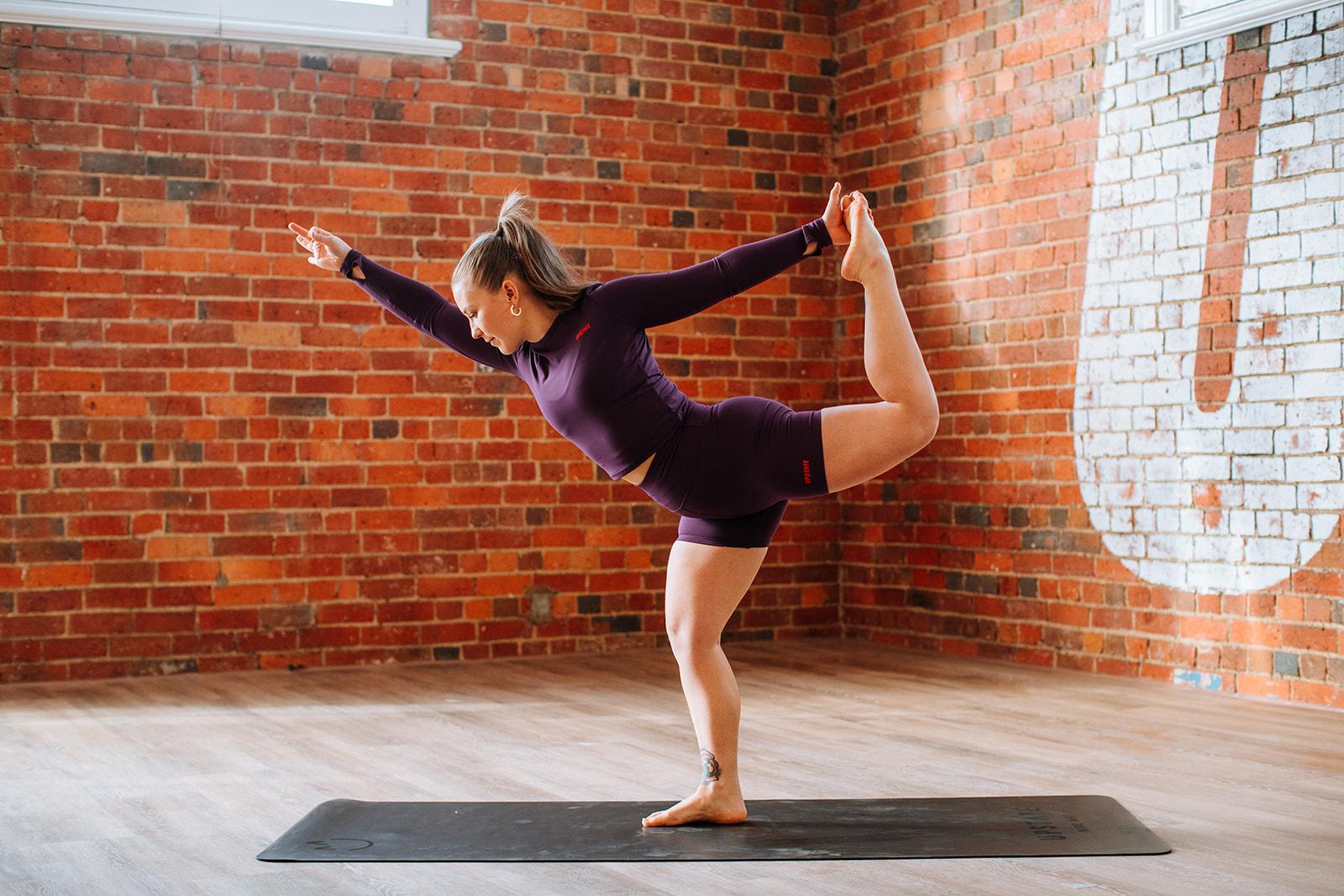
The Difference Between Yoga and Pilates
Yoga and Pilates share similarities but have different origins and goals.
| Yoga | Pilates |
|---|---|
| Focus on mind-body connection | Focus on core strength |
| Includes meditation and breathing | Emphasises controlled movements |
| Originated in ancient India | Developed by Joseph Pilates in the 20th century |
| Improves flexibility and relaxation | Targets muscle stability and posture |
According to the Better Health Channel:
- Yoga emphasises mindfulness and flexibility
- Pilates focuses on strength and rehabilitation
Many people combine both practices for balanced fitness.

How to Start Yoga Safely in Australia
Choosing the right style for your body or condition
Common beginner-friendly styles include:
- Hatha Yoga – slow and gentle
- Restorative Yoga – relaxation-focused
- Vinyasa Yoga – flowing movement
Those with injuries should choose low-impact classes.
Practicing safely if you have health conditions
Consult a healthcare professional if you have:
- heart disease
- severe back problems
- pregnancy complications
- joint injuries
Guidance from Healthdirect Australia recommends gradual progression and professional instruction.
Online and community class options across Australia
Options include:
- local community studios
- online classes
- wellness apps
Many Australian councils offer low-cost community yoga programs.

Yoga for Specific Populations
Yoga during pregnancy
Prenatal yoga can help:
- reduce back pain
- improve sleep
- support breathing during labour
Always use prenatal-certified instructors.
Yoga for seniors
Gentle yoga improves:
- balance
- mobility
- fall prevention
Chair yoga is often recommended for beginners.
Yoga for beginners
Start with:
- 2–3 sessions per week
- 20–30 minute sessions
- beginner-friendly classes
Consistency is more important than intensity.
Yoga for managing chronic pain
Research suggests yoga can help with:
- chronic low back pain (yoga is often recommended by medical experts as a first-line approach for pain relief and improved mobility)
- lower back pain
- arthritis
- fibromyalgia
Many physiotherapists integrate yoga-based movement therapy.

Making Yoga a Sustainable Part of Your Lifestyle
Build a routine
Tips:
- schedule yoga like a workout
- start with short sessions
- track progress
Consistency is key.
Combine yoga with other exercise
Yoga complements:
- cardio (walking, running)
- strength training
- mobility work
Balanced weekly routine example:
- 2 yoga sessions
- 2 strength workouts
- 2 cardio sessions
Integrate mindfulness or meditation
Yoga can include:
- breathwork
- guided meditation
- relaxation practices
These enhance mental health benefits.

Scientific Research and Australian Health Guidance
- Major health organisations recognise yoga’s benefits.
Key references:
- Healthdirect Australia – guidance on safe physical activity
- Better Health Channel – yoga benefits and safety
- National Institutes of Health – yoga and health research
- PubMed – systematic reviews on yoga and mental health
Overall scientific consensus suggests yoga improves:
- flexibility
- stress management
- mental wellbeing
- chronic disease outcomes
when practiced regularly.
The Benefits of Infrared Heat in Yoga and Wellness
Infrared heat is increasingly used in modern yoga studios, recovery centres, and wellness clinics because it heats the body differently from traditional hot environments.
Unlike conventional heaters that warm the air, infrared panels emit infrared light waves that penetrate the body’s tissues, gently warming muscles from within.
Infrared technology is used in:
- hot yoga studios
- recovery therapy centres
- infrared saunas
- physiotherapy environments
Health guidance from Better Health Channel notes that heat therapy can improve circulation and support muscle relaxation.

How Infrared Heat Works
Infrared vs Traditional Heat
| Infrared Heat | Traditional Heat |
|---|---|
| Penetrates muscles and tissues | Mainly heats surrounding air |
| Lower ambient temperature needed | Requires very hot rooms |
| Often feels more comfortable | Can feel humid or stifling |
| Used in therapy and recovery | Mostly used for environment heating |
Infrared waves increase tissue temperature and circulation, which can help muscles relax more effectively.
Research indexed through PubMed suggests infrared heat may improve blood flow, muscle recovery, and metabolic activity.
Potential Health Benefits of Infrared Heat
1. Improves muscle relaxation and flexibility
Heat increases muscle elasticity, which may allow deeper and safer stretching during yoga practice.
This can:
- reduce muscle stiffness
- improve joint mobility
- enhance range of motion
2. Enhances circulation
Infrared heat may stimulate vasodilation, widening blood vessels and improving circulation.
Improved blood flow can help:
- deliver oxygen to tissues
- remove metabolic waste
- support recovery after exercise
3. Supports detoxification through sweating
Infrared heat often promotes deep sweating, which may help eliminate certain metabolic by-products.
However, major health organisations emphasise that the liver and kidneys remain the body’s primary detox organs.
4. May help relieve chronic pain
Infrared therapy has been studied for conditions such as:
- arthritis
- muscle soreness
- fibromyalgia
Some studies reviewed via National Institutes of Health suggest infrared therapy may reduce pain and stiffness in musculoskeletal conditions.
5. Supports stress reduction and relaxation
Heat exposure can activate the parasympathetic nervous system, promoting relaxation.
Combined with yoga breathing techniques, infrared environments may:
- lower stress levels
- reduce muscle tension
- improve mental calmness
6. May improve cardiovascular health
Moderate heat exposure can produce mild cardiovascular stimulation similar to light aerobic exercise.
Research has shown that infrared sauna use may improve:
- blood pressure
- vascular function
- heart rate variability

Infrared Yoga vs Traditional Hot Yoga
| Infrared Yoga | Traditional Hot Yoga |
|---|---|
| Uses infrared heating panels | Heated by hot air systems |
| More even, radiant warmth | Often very humid |
| Lower room temperatures | Can exceed 40°C |
| Often considered more comfortable | Some find it intense |
Many practitioners report less fatigue and easier breathing in infrared-heated rooms.